Tag: cessation

  • Practice Change

    Healthylife® QuitWell™

    Part 4

    Image of hand refusing a cigarette.

    There are many ways to practice quitting before getting all the way there. You can improve your health even before you feel “all in”.

    *  Leave your pack, can, or vape pen home when you go out for short errands. Try leaving products home when you go to work one day.

    *  If you are a smoker, put a certain number of cigarettes in a pack for the day. Try to put one or two less in the pack than you’d normally smoke. If you usually smoke a full pack, take a few out at the beginning of the day so “finishing the pack” means smoking 18 instead of 20 cigarettes. After a few days, cut out one or two more.

    *  Put your cigarettes, can, or vape pen out of reach in your car. Maybe keep them in the trunk of your car, or in the backseat. When you want to have one, you will need to pull over to the side of the road to safely get it. When you do, just take one. This makes your habit a lot less convenient. Practice working through an urge while you are deciding if you want to pull over or keep going.

    What are some other ways you can practice change?

    © American Institute for Preventive Medicine

  • Wait 5 Minutes

    Healthylife® QuitWell™

    Part 3

    A clock showing 5 minutes.

    Over the next week, whenever you have an urge, wait 5 minutes before using your tobacco/nicotine product. If, after 5 minutes, the craving is still there, go ahead and have it. If the urge has gone down to the point where you can put it off further, try stretching that 5 minute “time out” to 10 or 15 minutes. You may find that, with time, the craving goes away on its own.

    Waiting 5 minutes is like adding a speedbump to your regular routine. When you approach a speedbump, you probably slow down before carefully going over it. Even if you aren’t ready to quit, this helps you flex your muscle of self-control and show yourself that you can put off tobacco if you really want to.

    © American Institute for Preventive Medicine

  • Cutting Back

    Healthylife® QuitWell™

    Part 4

    Women smiling with 2 thumbs up.

    While there is no healthy level of tobacco/nicotine use, it can be helpful to cut back before quitting completely. This allows you to:

    *  Reduce the amount of tobacco/nicotine your body must process every day, reducing the damage and toxic load on the body.

    *  Practice strategies without the pressure of quitting completely.

    *  Build confidence as you show yourself how strong and capable you are with making changes.

    *  Get used to going through different times of the day without a cigarette/dip/vape.

    *  Learn which strategies are going to work for different triggers.

    *  Gradually change habits and how you respond to triggers.

    Remember, every less cigarette, dip, or vape gives your body a break.

    Cutting back can be helpful for all stages of quitting.

    *  If you aren’t ready to quit completely, cutting back can still give you all the benefits listed above. You may find that the new tobacco/nicotine-free habits stick and you now are at a lower level of tobacco/nicotine. While it can be hard to stay at a low level for a long time, due to the addictive nature of nicotine, you are now more ready to quit in the future.

    *  If you are thinking about quitting but not fully ready, cutting back can get the ball rolling. As you see yourself succeed with small steps, you may be ready to take more small steps. Eventually, all those small steps take you to the finish line.

    *  If you are fully ready to quit, taking a week to cut back before your quit date can help you prepare for the triggers you may face. It gives you time to try the strategies in this guide and prepare your environment.

    © American Institute for Preventive Medicine

  • Managing Weight

    Healthylife® QuitWell™

    Part 2

    Image of middle-aged women exercising in her living room.

    Quitting is one of the most important things you can do for your health. Quitting tobacco/nicotine can lead to changes in your weight. There are ways you can manage your weight, as you are quitting and afterwards. You may even find that you lose weight over time as you adopt more healthy habits.

    The average person who quits gains 5 to 10 pounds in the months after quitting. This can happen for several reasons.

    *  Nicotine has been speeding up your metabolism while you’ve been using tobacco/nicotine products. This means that your body was burning energy (fuel from food) faster. When you quit, your metabolism returns to normal.

    *  Nicotine has been raising your blood sugar and interfering with your body’s natural hunger cues. This is the main way that nicotine suppresses your appetite. Now that you are quitting, cravings for sweets may increase as your blood sugar drops. Plan for regular, healthy meals and snacks to help you feel better and avoid eating too many high-sugar foods.

    *  You may feel a strong urge to have something else in your mouth, leading to more snacking. If these are high calorie foods that are high in sugar or saturated fat, you are likely to gain weight.

    The QuitWell™ program will teach you how to avoid gaining too much weight after quitting. Read on to learn ways to manage urges with food and ways to plan your eating with your health in mind.

    © American Institute for Preventive Medicine

  • Recovery Signals

    Healthylife® QuitWell™

    Part 4

    Image of a couple dining out.

    Quitting may cause certain changes in your body due to the withdrawal of the many toxins found in tobacco. Some of these changes you may enjoy-food tastes and smells better. Some changes may be a little unpleasant. Everyone will have a different reaction. However, most people will only have a few signals, and these usually last less than a week.

    Some of these signals, of course, may be related to a health issue or illness. If you are concerned about how long a recovery signal is lasting or it feels more serious, contact your physician right away. You may be feeling that way because of something other than quitting.

    Increased Hunger

    The taste buds in the mouth become more keen when you quit and food tastes better.  You may find yourself eating more, which could add up to weight gain. Be mindful to increase physical activity, avoid emotional eating, and avoid snacks high in sugar and saturated fat. Choose crunchy vegetables or a high-protein snack instead.

    Irritability and anxiety

    Studies offer two reasons for this signal:

    1. Smoking, chewing, and other tobacco behaviors serve as a mild calming agent for some. Take it away and the body is very tense until it adjusts.

    2. Your whole life has been disrupted by quitting. Try a relaxation tool, take a hot shower, or call a close friend.

    Coughing

    The hair-like fibers (cilia) that line the bronchial tubes are starting to work to get rid of the mucus that tobacco produced. As the mucus loosens, you cough.

    Sweating

    One way the toxins leave the body is through the skin’s pores. This may show up as sweat. If this affects you, it should only last 3 to 4 days.

    Frequent Urination

    This may happen because of the extra liquids you’re drinking.

    Constipation

    The toxins in tobacco cause the release of the hormone adrenaline. For some, this helps in moving the bowels, so not smoking can lead to constipation. Eat high fiber foods, fruits, vegetables, bran, and whole grains. Drink plenty of water as well.

    Loss of Sleep

    Quitting may cause you to be restless at night. Increase your daytime activity to make you feel more tired. Try drinking a warm glass of milk before bed.

    Sleepiness

    For many people, tobacco provides a “lift.” Take that away and you feel more sleepy. Try to get as much sleep as you need.

    Dizziness

    With carbon monoxide no longer in the blood and the bronchial tubes clearing up, more oxygen may be entering the body. The result could be dizziness. Sit down and rest until it passes.

    Mouth Sores or Bad Taste

    Sores or bad tastes in the mouth may be due to the body chemicals that used to counteract the effects of the toxins in tobacco. Use an oral pain reliever for sores or see a doctor or dentist. Use mouthwash or breath mints for a fresher taste.

    Lack of Focus

    Turning your life around by quitting may make it harder for you to focus. A short walk is helpful.

    Dreaming of Using Tobacco

    Many people find they dream about using as they are trying to quit.

    Sense of Loss

    Quitting an activity that has been a major part of your life can make you feel very sad. There may be a feeling of missing something. This sense of loss will pass with time.

    Headache

    Your blood vessels open up due to withdrawal from nicotine. This could produce headaches during the first few days of quitting. Deep natural breathing, getting fresh air, and making sure you are eating healthy foods regularly can help.

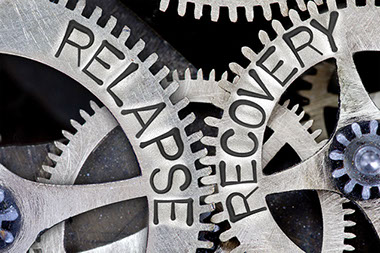
    Notice the unpleasant recovery symptoms-and make sure they are going away over time (otherwise, see a doctor). Try not to focus on the unpleasant recovery symptoms. You might overlook the good recovery signals that are taking place. Blame all the unpleasant changes on tobacco/nicotine. Focus on the good changes that have happened because you no longer use this addictive, body-damaging product. Keep in mind, no one ever died from quitting.

    *  If you have quit, which of these recovery signals have you noticed so far? Have they started to go away yet?

    *  If you are still thinking about quitting, imagine welcoming these changes as a sign that positive changes are happening in your body.

    *  If you are cutting back (but haven’t quit yet), do you have any of these recovery signals already? While there is no healthy level of tobacco use, your body may begin to heal as you get close to quitting completely.
    © American Institute for Preventive Medicine

  • What Assertive Looks Like

    Healthylife® QuitWell™

    Part 5

    Warehouse worker smiling with good posture and eye contact.

    *Body Posture:Be relaxed and natural. Avoid slouching, putting your hands in your pockets, or facing away from the person you are speaking with.

    *Eye Contact:Good eye contact is vital to convey self-confidence and interest. Don’t stare at the other person-this comes across as a challenge.

    *Voice, Tone, and Quality:Use a strong, varied tone. Speak clearly and firmly. Don’t shout or speak too softly. Don’t whine.

    *Distance from the Person:Don’t position yourself too far or too close.

    *Facial Expression:Let your face convey the same message as what you are saying.

    *Content:Use short sentences. Be specific, clear, and firm.

    Practice First

    Plan or write down what you want to say. Have responses ready ahead of time to deal with questions and comments. Reinforce your remarks by saying what positive outcomes will occur for you and the other person. Practice in front of a mirror or with a friend.

    Benefits of Being Assertive:

    *  You can feel comfortable saying “no.”

    *  You have more confidence to ask others for help.

    *  You gain more respect from others.

    *  You feel less angry with yourself and with others.

    *  You feel justified to say what you want to say.

    *  You feel comfortable requesting clarification.

    *  You accept compliments graciously.

    *  You can change your mind without feeling guilty.

    © American Institute for Preventive Medicine
  • Deep Natural Breathing

    Healthylife® QuitWell™

    Part 4

    Man with eyes closed taking deep breaths.

    This skill is very much like Smokeless Inhalation, but it takes 3 to 5 minutes. It involves both your abdomen and your chest. You will focus on the sound and feel of your breathing.

    1. Sit in a chair. Put your arms at your sides and uncross your legs and feet. Or, lay down on a bed or couch.

    2. Note any tension in your muscles.

    3. Put one hand on your chest and the other hand on your abdomen.

    4. Take a slow, deep breath through your nose. The hand on your abdomen should rise first. When your abdomen is full of air, the hand on your chest should rise.

    5. Hold the air for 3 seconds.

    6. Purse your lips and blow out through your mouth, making a whooshing sound.

    7. Keep taking long, slow deep breaths in through your nose and letting long slow breaths out through your mouth.

    8. Focus on the sound and feel of your breathing. Do this for 3 to 5 minutes. After a while, you can lower your hands.

    When I will try this?

    (After) How did your body feel after this activity?

    (After) How did your stress level change after this activity?

    © American Institute for Preventive Medicine

  • Medications To Help You Quit

    Healthylife® QuitWell™

    Part 3

    Seven people holding white cards with letters to assemble the word SUPPORT.

    There are medications available to help you quit. Some of them contain nicotine and some do not. The idea behind nicotine replacement therapy (NRT) is that by replacing the nicotine with nicotine in another form, one can focus on becoming comfortable with the new behavior with less withdrawal/symptoms. Then, later, the nicotine can be cut down in a systematic way. Studies have shown that users of NRT are about twice as likely to quit tobacco.

    You should check with your doctor before using these products if you are:

    *  Younger than 18

    *  Pregnant or nursing

    *  Have heart disease or had a recent heart attack

    *  Have high blood pressure not controlled by medication

    *  Take insulin for diabetes

    *  Have a stomach ulcer

    Always follow the instructions for NRT carefully to avoid complications. Any questions that you have about the products should be addressed with your doctor or pharmacist.

    Common side effects of NRT include nervousness, a racing heart, dizziness, headache, and nausea. These are caused by the nicotine and may be a sign of too much nicotine. If you have any of these symptoms, cut back on the total nicotine you are getting. Chew less gum or use your inhaler less frequently, for example. Avoid smoking, dipping, or vaping while using NRT.

    A rare, but dangerous complication is nicotine overdose. Symptoms include a racing heart, headache, weakness, dizziness, nausea and/or vomiting, and cold sweats. If you are having symptoms like these, get immediate medical attention.

    © American Institute for Preventive Medicine

  • Reflect On Your Past Change Attempts

    Healthylife® QuitWell™

    Part 2

    Profile image of man, sitting thinking.

    This may be your first time thinking about quitting or trying to quit. If you are like many, though, this is not your first rodeo. Think about the times you thought about quitting in the past.

    If you have never tried to quit before, think about another major change you have made in the past. It doesn’t have to be health-related. The point is to identify strengths from your experience-and see what tripped you up.

    *  What motivated you then? How important was it for you to change?

    *  How did you try to make this change?

    *  What went well? What did not go well?

    *  What will you do the same this time?

    *  What will you do differently this time?

    With your experiences, you probably have ideas of what might work for you. Use the strategies in this guide to build on what you already know helps you succeed.

    © American Institute for Preventive Medicine
  • What Holds You Back?

    Healthylife® QuitWell™

    Part 2

    Image of man thinking.

    Many people want to quit, but don’t. When people are asked why they don’t quit, the main reasons tend to be:

    *  Fear of gaining weight

    *  Worry about feeling more anxious

    *  Thinking that it’s too difficult to quit

    *  The thought that “it’s too late to quit”

    Star any of the above that are holding you back. Write your own reasons for why you have not quit yet. What are your biggest worries or fears about quitting? Avoid judging yourself for these reasons. It is important to understand your own barriers. If you do not want to quit, list those reasons.

    QuitWell™ can help you work through these issues. The more honest you are with yourself, the better this program will work for you.

    © American Institute for Preventive Medicine