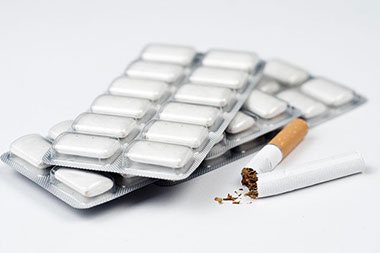
There’s no one right way to quit smoking. Some people find that they just quit on their own. Others use medical treatments to help. If you’re thinking about quitting, you have several options:
* Attend support groups or counseling
* Get your doctor’s advice and support
* Choose medicines that contain nicotine and help with nicotine addiction, including patches, gum, lozenges, inhalers and nasal spray. Some are available in stores and others need a prescription.
* Find a prescription medicine that doesn’t contain nicotine and still helps a person quit smoking.
* Go cold turkey: stop completely, all at once, without any help.
* Slowly decrease the amount of cigarettes smoked each day until you stop altogether.
Counseling and medicine together may be more helpful than using just one method. Sometimes, you may need to try a few different approaches to find the one that works for you.
Get free quitting help by phone
If you’d like to talk with someone about quitting, call 1-800-QUIT-NOW (1-800-784-8669). This service is FREE and may include support and advice, a quit plan, free or discounted medications and other resources.
Free quitting help online
For those with a computer or tablet, help with quitting is just a few clicks away. Smokefree.gov offers a number of resources to help people quit smoking. There are tools and tips, information and support throughout the process of quitting.
Source: Centers for Disease Control and Prevention, National Institutes of Health
Reasons to quit smoking
Quitting smoking isn’t easy. But, it means you will start to become healthier within just minutes of quitting. Take a look at the benefits of quitting:
* 20 minutes after quitting: Blood pressure and heart rate gets lower.
* 12 hours after quitting: Carbon monoxide levels in the blood go back to normal.
* 2 weeks to 3 months after quitting: Lungs start to work better and blood circulation gets better.
* 1 to 9 months after quitting: Lungs can handle mucus and recover from infections more easily. This means less coughing and shortness of breath.
* 1 year after quitting: The risk of a heart attack drops dramatically. The increased risk of heart disease is cut in half.
* 2 to 5 years after quitting: Risk of a stroke is now the same as a non-smoker.
* 5 years after quitting: Risk of several cancers is slashed in half. This includes cancers of the bladder, mouth, throat and esophagus.
* 10 years after quitting: Risk of lung cancer decreases by half. Risk of cancer of the voice box and pancreas drop.
* 15 years after quitting: The risk of heart disease drops to that of a non-smoker.
Don’t forget about benefits to your appearance. Yellowed teeth and fingers can become a thing of the past, as well as bad breath and smoke odors on clothes and in hair. Tobacco also causes wrinkling of the skin and tooth loss, so quitting can mean better skin and a brighter smile.
It’s never too late to quit. Quitting at any age can extend a person’s life, reduce or eliminate health problems, and lower the risk of dying from smoking-related diseases.
Source: American Cancer Society