An ounce of prevention is worth more than a pound of cure. The healthier you are, the less you will need to pay for medical care. Also, the state of your health is one of the main factors in setting the cost of health and life insurance.
Don’t send money up in smoke.
Cigarette smoking is bad for your health. It’s bad for your wallet, too. A person who smokes two packs a day spends over $3,000 a year just on cigarettes. Hundreds of dollars more are spent on extra dental and medical costs. The cost of health, life, and disability insurance is about 30% higher for persons who smoke.
Weight does matter.
Obesity is a leading cause of preventable death. Losing weight can lower the risk for type 2 diabetes, heart disease, and other chronic diseases. These can cost you and your employer a lot of money to treat. Obese persons who buy health insurance on their own may have to pay more. Insurance companies may even turn them down.
Be fit at little or no cost.
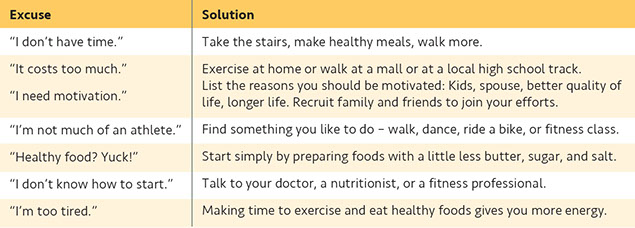
Take part in fitness programs at work. Join a mall walkers program. Walk with a friend. Follow along with fitness programs on TV. Or, if you have a stationary bike, ride it while you watch TV. Being active every day is a huge investment in your health.
Look at your genes.
Find out what health problems both sides of your family have or had. Start with your parents, brothers, and sisters. Then find out about ones your grandparents, uncles, aunts, and first cousins have or had. Once you know what health problems run in your family, talk with your doctor. He/she can suggest ways to lower your risk of getting them.
Don’t back quacks.
Find out about products and treatments that don’t work or could cause harm fromwww.quackwatch.organdwww.fda.gov. Don’t waste money on things that don’t help.
Be savvy about AD-vice.
Check with your doctor before you follow advice from Web sites and ads that promote products. Many are costly and give little or no benefit.
Detect to protect.
Have screening tests and exams that can help detect health problems in early stages when they are easier and less costly to treat. Follow your doctor’s advice.
Money well spent.
If you have no health insurance or your health plan does not pay for screening tests or doctor visits, it is still important to have them. Paying for these now could save you thousands in medical costs in the future. Tests may cost less than you think.
Know thy “health self.”
The more you know about your health problems, the easier it is to make informed choices about how to take care of them. Find out what you need to do from your doctor. Get reliable facts, too, from trusted sources.
Follow your doctor’s treatment plan.
This helps to improve your health. It helps keep problems from getting worse. For example, keeping blood pressure under control can reduce the risk of having a stroke or a heart attack.
A shot in the arm for your health.
Get vaccines, as needed, to prevent illnesses. This applies to children, as well as adults. The Centers for Disease Control and Prevention give guidelines for vaccines every year. Find out what they are atwww.cdc.gov/vaccines. Also, if you plan to travel to other countries, find out what vaccines you should get. Find out fromwww.cdc.gov/travel.
Know about the Vaccines for Children (VFC) Program.
Your children may be able to get free or low-cost vaccines. Find out fromwww.cdc.gov/vaccines/programs/vfc/default.htm.