Tag: Child Safety

  • Wired And Dangerous

    FAMILY LIFE

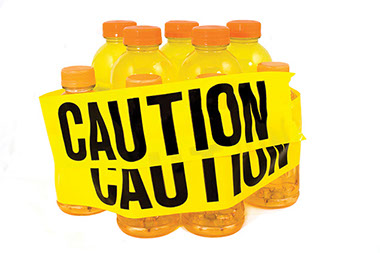
    Image of sport drinks with yellow "Caution" tape wrapped around the bottles.

    Parents beware. If your tots and teens get their hands on your energy drinks, they could experience seizures, heart palpitations, or other problems that drive them to the hospital ER.

    Children most at risk appear to be those who regularly consume the increasingly popular caffeine-laden energy drinks or gulp down a relatively large amount of the liquid in a short span, according to Rutgers University’s poison control experts.

    “These drinks are made for adults. When young children drink them, they consume a large quantity of caffeine for their body mass. At the minimum, they become wired-just as an adult would-and it might be difficult for parents to console them or calm them down,” said Bruce Ruck, director of drug information and professional education for the New Jersey Poison Information & Education System at Rutgers.

    “Children also might have trouble falling asleep or experience tremors, anxiety, agitation, heart palpitations, nausea or vomiting. Of more concern, they may experience a rapid heart rate or seizures,” he said.

    Ruck also said that, in addition to large amounts of caffeine, most energy drinks contain sweeteners, vitamins, and maybe herbal products, some of which may hold hidden risks for certain people.

    *  Don’t let kids be lured by the “rock star” graphics  on the cans that look like soda pop.

    *  Store drinks on a high shelf, away from the view  of kids.

    *  Monitor and limit your teens’ exposure to these drinks. Mixing them with alcohol or a rigorous workout can cause death.

    *  The journal Clinical Toxicology has reported that children under age 6 who consumed caffeine-infused energy drinks accounted for more than half of the energy drink-related poisonings involving children. The American Medical Association is calling for a ban on marketing energy drinks to children under 18.

    © American Institute for Preventive Medicine

  • Healthy Eating Tips

    Children’s Health

    Image of young boy eating oranges.

    *  Make half your grains whole. Choose whole-grain food, like whole-wheat bread, oatmeal, and brown rice more often.

    *  Vary your veggies. Go dark green and orange with your vegetables. Eat spinach, broccoli, carrots and sweet potatoes.

    *  Focus on fruits. Eat them at meals. Eat them at snack times, too. Choose fresh, frozen, canned or dried fruits. Go easy on fruit juices.

    *  Go lean with protein. Eat lean or low-fat meat, chicken, turkey, and fish. Also, choose dry beans and peas more often. Add chick peas, nuts, or seeds to a salad. Add pinto beans to a burrito. Add kidney and/or other beans to soup.

    *  Get calcium-rich foods. Have low-fat and fat-free milks, yogurts, and cheeses. If you have soy milks and yogurts, choose ones with calcium. Have broccoli, kale and collard greens. Calcium helps to build strong bones.

    *  Change your oil. Get yours from fish, nuts, and liquid oils, like canola, corn, olive, and soybean. Avoid foods with trans fat. Read food labels.

    *  Don’t sugarcoat it. Choose foods and beverages that do not list sugar, corn syrup and other sugars as one of the first ingredients. Added sugars give calories, but have few, if any, nutrients.

    Page from Children's Self-Care book by the American Institute for Preventive Medicine. www.HealthyLife.com. All rights reserved.

    © American Institute for Preventive Medicine

  • Bounce House Dangers

    FAMILY LIFE

    Image of a bounce house.

    If your kids like to moonwalk and jump in those ever-present birthday-party experiences called bounce houses, know about these dangers. A child goes to the ER every 45 seconds because of bouncing injuries.

    Researchers at Nationwide Children’s Hospital say inflatable bouncers are the cause of a 15-fold increase in injuries to kids-mostly broken bones, strains and sprains but also head and neck injuries. The findings were published in Pediatrics.

    Injury patterns for inflatable bouncers are similar to those the docs see on trampolines, which have national safety guidelines. Bounce houses have no guidelines. So set your own rules.

    The researchers suggest parents should consider the risks before allowing their children to use an inflatable bouncer.If you allow your child to use an inflatable bouncer, limit use to children 6 years of age and older. Make sure an adult is there to supervise while the bouncer is in use and allow only one child on the bouncer at a time. If more than one child will be on the bouncer at the same time, the children should be about the same age and size.

    © American Institute for Preventive Medicine
  • Bullying: How To Take Action

    FAMILY LIFE

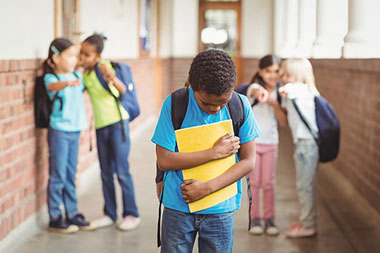
    Image of kids wispering and pointing towards a classmate whose head is down.

    Bullying can be hard to address, especially if it’s happening to your child. Knowing how to deal with bullying can help you support your child and stay calm about it. This is important because bullying can happen more than once.

    Dealing with bullying in the right way can help you (and your child) put a stop to it. If your child is being bullied, take the following steps:

    *  Talk to your child about what happened. Without interrupting or giving your opinion, let your child openly talk about what was said or done in the bullying situation. Be sure you understand the whole story. Support them as they talk by telling them you want to help, and by keeping your actions as calm as possible.

    *  Tell the child that bullying is not their fault. No one deserves to be bullied.

    *  When giving advice, use clear examples. Role playing can be very helpful in teaching a child what to do. Never tell them to fight back or use violence. This doesn’t help the situation and can get your child in trouble or hurt.

    *  Ask your child how you can help them feel safe again. Try not to single him or her out by making changes in their routine, such as switching classes or buses. Instead, try taking other steps, such as changing seating arrangements in school or on the bus.

    *  Talk with the school or organization. State your concerns and ask them how they feel it can be addressed. Remember that the school staff cannot “discipline” other kids. Even if you want to, avoid talking with the bullying child’s parents. School officials can talk with them and be a neutral moderator.

    *  Consider getting professional support for your child. Sometimes a school counselor or mental health expert can help a child who has been bullied.

    Bullying should never be ignored. Kids who are bullied may be at higher risk for health problems like:

    *  Depression

    *  Anxiety

    *  Sleep problems

    *  Loss of interest in activities

    Their grades may also suffer. Kids who are bullied are more likely to miss school or drop out.

    Source: Stopbullying.gov

    © American Institute for Preventive Medicine

  • Childproofing

    FAMILY LIFE

    Image of mother with toddler.

    Chase a toddler around for a day. Now that’s exercise. Any new parent quickly learns that a toddler is into everything. It only takes a quick second for that child to get out of your sight and around something potentially dangerous.

    The nation’s emergency physicians treat children every day who are injured by something in their own home or someone else’s home. Now is the time to childproof it, advises the American College of Emergency Physicians.

    What you can do in your home right now to protect young children

    *  Use safety latches for drawers and cabinets in kitchens, bathrooms, and other rooms that may contain dangerous products like cleaning supplies, knives and sharp objects, and medicines.

    *  Use safety gates to help prevent falls down stairs and to help prevent children from going in areas that may have potential dangers. Make sure these gates meet current safety standards. (Gates that only press against walls, called pressure-mounted gates, are not secure enough.)

    *  Place protective childproof covers on all electrical outlets that are in reach of children.

    *  Make sure all electrical cords are out of a child’s reach and properly secure.

    *  Fasten all heavy bookshelves, televisions, cabinets, or anything that could pose a potential tipping hazard to a secure wall, making sure it cannot fall on a child.

    *  Use toilet seat lid-locking devices on all toilet seats to decrease drowning hazards.

    *  Use cordless window coverings to help prevent strangulation.

    *  Use corner or edge bumpers on anything with sharp edges, like furniture and fireplaces.

    *  Create a protective barrier around pools and spas that include at least a 4-foot-tall fence with self-closing and self-latching gates. It’s also a good idea to look into getting pool alarms as an additional layer of protection.

    But the best device of all? Make sure a responsible person is with children at all times.

    © American Institute for Preventive Medicine
  • Choose The Right Summer Camp For Your Child

    FAMILY LIFE

    Image of child at summer camp.

    When school’s out for the summer, what will the kids do? Many families choose summer camp options for school-age children to help make summer an educational and fun experience. But choosing the right camp for your child can seem daunting with so many choices.

    To simplify your decision, consider these factors:

    *What type of camp works with your child’s personality?Some children only want to be gone for a day camp and come home in the evening. Others want to do overnight camps. This may depend on the child’s age and whether they are accustomed to being away from home.

    *How many children attend the camp?Some kids do better in small groups, while others enjoy the excitement of being around many people.

    *What are your child’s interests?Some camps focus on particular activities, such as sports, cooking, music or art. Some offer programs for special needs children. Look for one that offers activities they like to do.

    *How will your child get there?Is there a bus or other transportation offered?

    *What is your budget?Be sure you understand the total cost of the camp. Some may have extra charges for food, special outings, or transportation.

    *How are the staff trained on safety, supervision, and other issues?If your child will be near water, discuss life guards and safety precautions for swimming.

    Once you’ve decided upon a camp, ask about a packing list, particularly for overnight camps. Even day camps often ask the children to bring a bathing suit, water bottle, snack, sunscreen, or other supplies.

    Source: American Camp Association

    © American Institute for Preventive Medicine

  • How To Recognize And Report Abuse

    FAMILY LIFE

    Image of the word "Help" spelled out on a green chalk board.

    Child and elder abuse is a serious problem that affects people from all walks of life. One of the most important ways to protect victims from abuse is by making sure they get the help they need and by reporting cases to the authorities. Here’s how to recognize the different types of abuse and what to do in case you know someone who is a victim. This advice is from the General Services Administration of the U.S. government (www.USA.gov).

    Child Abuse

    Children who are victims of physical or emotional abuse often display mental and social development problems. In most cases, the abuse comes from their own parents or caretakers. Here are some of the signs of abuse:

    *Physical abuse:A child who suffers from physical abuse might have bruises, burn marks, broken bones and scars. They are often fearful of adults or certain people.

    *Sexual abuse:Victims of sexual abuse are forced to have sexual relations or engage in inappropriate physical contact with adults. Signs include feeling uncomfortable when changing clothes.

    *Emotional abuse:Children who experience emotional abuse are often victims of private or public humiliation and neglect. A child might show sudden changes in behavior and act violently.

    *Neglect:Children who are physically neglected show signs of lack of personal hygiene and bad health due to malnutrition, among other things.

    If you know or suspect that a child is a victim of abuse and is in immediate danger, call 911. To report a case of child abuse, call the National Child Abuse Hotline at 1-800-422-4453.

    Elder Abuse

    Elder abuse can occur in the victim’s home or at places such as assisted living facilities. People who abuse the elderly are usually people who know or take care of the victims. There are several types of abuse and all of them can have a profound negative impact on a person’s physical and mental health.

    *Physical abuse:As with child abuse, elders who suffer from physical abuse also might show bruises or other signs of injury on their bodies.

    *Sexual abuse:Elders who suffer from sexual abuse might become withdrawn.

    *Emotional abuse:This occurs when the victim is humiliated and treated with disrespect. The victim might feel useless or inferior and might suffer from depression.

    *Neglect:Elders show signs of physical neglect when caretakers fail to help them with their personal hygiene, food, clothing, and medications.

    *Financial abuse:Elders are often targets of financial fraud. This usually happens when people who take care of elders steal their retirement.

    If you know or suspect an elder is a victim of abuse and is in immediate danger, call 911. To report a case of elder abuse, call 1-800-677-1116 or visit the National Center on Elder Abuse atwww.ncea.aoa.gov.

    © American Institute for Preventive Medicine

  • Prevent Kids From Choking

    FAMILY LIFE

    Image of father and daughter eating oranges.

    Food-not toys-are the most common culprit of choking accidents in kids under 5. The reasons have a lot to do with a child’s anatomy.

    “Young children have underdeveloped swallowing mechanisms, immature teeth and narrow airways, which put them at a higher risk for choking on food,” said Dr. Nina Shapiro, a professor of head and neck surgery at the UCLA School of Medicine. “Plus, the diameter of a child’s airway is about the size of their pinky, so high-risk foods can easily block their tiny airways and prevent their ability to breathe.”

    The list of high-risk foods for children under age 5 years includes many kid favorites:

    *  Cheese sticks

    *  Chewing gum

    *  Chunks of meat or cheese

    *  Chunks of peanut butter

    *  Chunks of raw vegetables

    *  Dried fruit

    *  Grapes

    *  Hard or sticky candy and lollipops

    *  Hot dogs

    *  Nuts

    *  Popcorn

    *  Seeds such as pumpkin seeds and sunflower seeds

    Here are some tips:

    *  Vegetables should be cooked and cut into small pieces.

    *  Hot dogs and cheese sticks should be cut lengthwise, then widthwise, and then into the shape of small moons.

    *  Grapes should be peeled and cut in half or quarters.

    *  Nut butters should be spread thinly onto crackers or bread.

    *  Young children should always be attended to by an adult when they eat and only eat developmentally appropriate foods.

    *  Children should sit up straight and not play or run while eating.

    If a child does choke and is unable to breathe, call 911 and perform the Heimlich maneuver. Even if the child seems to choke but then coughs and appears fine, the object may have become lodged, and the child should see a doctor.

    © American Institute for Preventive Medicine

  • Shopping Cart Spills Can Be Prevented

    FAMILY LIFE

    Image of mother with toddler sitting in a shopping cart.

    Kids dangling over shopping carts reaching for candy, standing up, and riding underneath. Every 22 minutes a child goes to the ER with a shopping cart-related injury. A study in Clinical Pediatrics found that falls from a shopping cart accounted for the majority of injuries for children up to 4 years old, followed by running into/falling over the cart, cart tipovers, and entrapment of arms, legs, and fingers in the cart. The kids suffered concussions and other head injuries.

    Dr. Gary Smith, director of the Center for Injury Research and Policy at Nationwide Children’s Hospital, said parents need to understand the dangers. He suggests these strategies:

    *  Always use the shopping cart safety straps. Be sure your child is snugly secured in the straps and that the child’s legs are placed through the leg openings. If parts of the cart restraint system are missing or are not working, choose another cart.

    *  Use a cart that has a child seat that is low to the ground, if one is available.

    *  Make sure your child remains seated. Stay with the cart and your child at all times.

    *  Avoid placing infant carriers on top of shopping carts. If your child is not old enough to sit upright in the shopping cart seat, consider other options such as leaving your child at home with another adult while you are at the store, using in-store child care areas, using a front- or back-pack carrier, or using a stroller.

    © American Institute for Preventive Medicine

  • Strike The Right Cord

    FAMILY LIFE

    Image of young smiling family.

    Children can be strangled by window cords on blinds and curtains. In fact, such tragedies are among the top hazards in American homes. Infants and children die each year from accidental strangling in the cords.

    The Consumer Product Safety Commission recommends that only cordless window coverings or those with unreachable cords be used in homes with young children. They are available today in the marketplace and will prevent window blind strangulations.

    In addition, the Window Covering Safety Council encourages parents, grandparents and caregivers to follow these basic cord-safety precautions:

    *  Move all furniture, cribs, beds, and climbable surfaces away from windows.

    *  Keep all window shades, blinds, and drapery cords well out of the reach of children.

    *  Install only cordless window coverings in homes with young children.

    © American Institute for Preventive Medicine