FAMILY LIFE
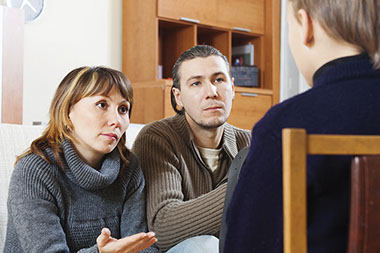
Parents generally teach their children about “stranger danger” from an early age. They are told not to talk to, walk with or take gifts or candy from strangers. But statistics show danger often lurks closer to home.
According to the National Association of Adult Survivors of Child Sexual Abuse, the vast majority of children who are sexually abused are abused by someone they know-most often a family member, an adult the family trusts or, in some instances, another child.
Parents can help protect their children from sexual abuse by talking frankly to them about abuse, starting at a young age with age-appropriate information, advises Kay Knaff, clinical services program manager for Youth Villages.
How to talk to your child (starting about age 3 or 4) about sexual abuse:
* Tell your child about good touch-a hug or a pat on the back-and bad touch, when someone is touching private areas.
* Tell your child nobody-no family member, teacher, other child or adult-is allowed to touch him or her in the areas covered by a bathing suit because these are private areas. Exceptions are a parent bathing a young child or helping the child with using the bathroom, as well as a doctor or nurse when examining the child.
* Tell your child he or she has permission to tell any adult who touches them in their private areas, “No!”
Tell your child that if anyone ever touches him or her in any way in their private areas, he or she should tell mom, dad and or grandma/grandpa or another trusted person about it immediately.
Get help immediately. If you suspect your child has been abused, act immediately. Either call your local police, your local rape crisis center, child protective services or the Childhelp National Child Abuse Hotline at 1-800-4-A-CHILD (1-800-422-4453), then push 1 to talk to a hotline counselor.

© American Institute for Preventive Medicine