Healthylife® QuitWell™
Part 3
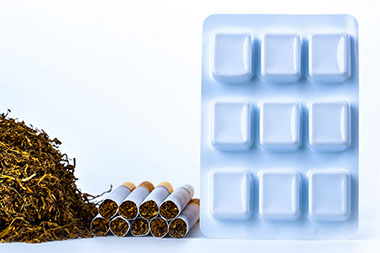
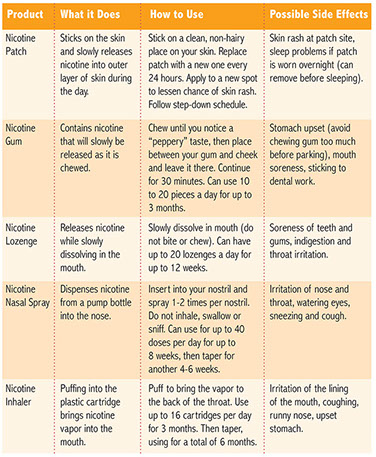
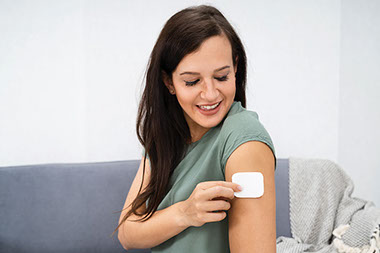
All of these products contain nicotine. Patches, gum, and lozenges are available other-the-counter. The nicotine nasal spray and nicotine inhaler require a prescription.
© American Institute for Preventive Medicine
Healthylife® QuitWell™
Part 3
All of these products contain nicotine. Patches, gum, and lozenges are available other-the-counter. The nicotine nasal spray and nicotine inhaler require a prescription.
© American Institute for Preventive Medicine
Healthylife® QuitWell™
Part 1
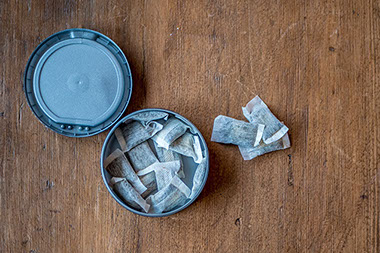
Smokeless tobacco includes chewing tobacco, which may also be called oral tobacco or spit tobacco. Smokeless tobacco also includes both moist and dry snuff, snus, and dissolvable tobacco products. Smokeless tobacco is not a safe form of tobacco, even if that is often how it is marketed by tobacco companies. Smokeless tobacco carries many serious risks.
Smokeless tobacco can cause cancers of the:
* Mouth, tongue, cheek & gums
* Esophagus
* Pancreas
Smokeless tobacco can also cause:
* Sores in the mouth called leukoplakia that can become cancer
* Stained teeth
* Bad breath
* Gum disease, cavities, tooth decay, and tooth loss
* Bone loss around the teeth
* Heart disease
* High blood pressure
* Increased risk of heart attack and stroke
* Pregnancy complications and low birth weight
© American Institute for Preventive Medicine
SleepWell® Program
Week 4

Look at your pattern of sleep over the past week. Compare it to your sleep patterns over the past few weeks of tracking. Answer these:
* I fall asleep more quickly now.
* I have more daytime energy.
* I wake up fewer times during the night.
* If or when I do wake up, I am able to fall asleep again more quickly.
* Relaxation techniques I practiced this past week.
* How I responded to racing thoughts when I tried to sleep.
* Are you ready for another week of attention to your sleep?
Shift Your Bedtime Again
Has your sleep continued to improve? If yes, you are ready to adjust your bedtime. Remember, only make a shift when your sleep quality is high.
© American Institute for Preventive Medicine
Healthylife® QuitWell™
Part 4

Actions, especially habits, are linked. For example, you may light up a cigarette without thinking when you start your car, end a meal, drink coffee, or hear your alarm clock. If you dip or use other forms of tobacco/nicotine, you may have similar triggers.
Altering triggers can help you break your automatic habits.
Scrambling
Scramble your routine to stop the triggers before they happen.
1. Change your morning routine.
2. Change your work area and the times of the day you do things.
3. Change the route you take to work.
4. Change the way you talk on the phone.
5. Take a walk with a water bottle instead of a coffee break.
6. Sit in a new place at the dining room or kitchen table.
7. What other ways can you change your routines?
© American Institute for Preventive Medicine
Healthylife® QuitWell™
Part 1
Maybe you have started this program in the action phase-you are already quitting or have just quit. While you may have a quit date in mind, this phase is more than just one day. This phase usually lasts about six months for any behavior change. It starts when you start putting your plan into place and continues as you go through challenges and practice your new way of living.
In a few words, describe your current quit plan.
Who is supporting you?
Remember, you may be moving back and forth between stages during your quitting process. Some days may be easier than others. It is important to stay very alert during the active phase, as slip-ups are very common. You will probably face many new challenges, from new stressors to different times of the year and holidays.
Even if you have started this program in the action phase, work through the guide in order. Building a strong foundation will help you get through the first few months of quitting-and beyond.
© American Institute for Preventive Medicine
Healthylife® QuitWell™
Part 4
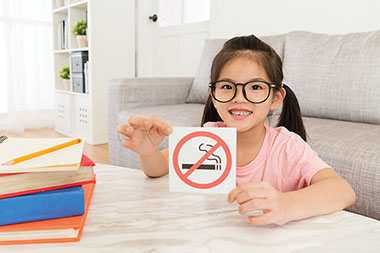
Go to the places where you usually did not smoke/use tobacco-or where tobacco/nicotine is not allowed. Spend time with people who don’t use tobacco/nicotine.
* Go to the movies
* Visit a non-smoking friend
* Spend time with children
* Volunteer
List places that are easier for you to be tobacco/nicotine free.
© American Institute for Preventive Medicine
Healthylife® QuitWell™
Part 1
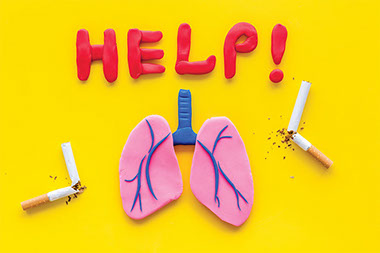
Smoking is the number one cause of premature, preventable deaths in the United States. According to the Centers for Disease Control and Prevention (CDC), more than 480,000 Americans die each year due to smoking. Many of those are from cancer, heart disease, stroke, and lung disease. Very few, if any, smokers go through their lives without having harmful effects. Smoking affects more than just your lungs-every part of the body is damaged.
Smoking can also cause:
* Chronic obstructive pulmonary disease
* Aortic aneurysm
* Diabetes
* Osteoporosis (brittle bones)
* Rheumatoid arthritis
* Macular degeneration (age-related)
* Cataracts
And contributes to:
* Airway infections
* Impaired immune responses
* Miscarriage
* Pregnancy complications
* Low birth weight, cleft lip/palate, and risk of SIDS
* Erectile disfunction
* Frequent colds and a weakened immune system
After You Quit
As soon as you stop smoking, your body responds. Changes in your body start happening right away.
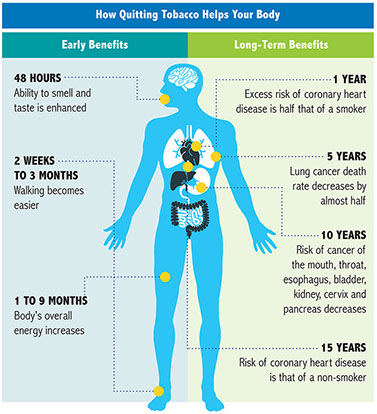
© American Institute for Preventive Medicine
SleepWell® Program
Week 5

Look at your pattern of sleep over the past week. Compare it to your sleep patterns during the previous weeks. Beyond Week 6, continue to reflect on a weekly basis. Notice when your sleep quality is slipping. Make changes as soon as you notice this.
Answer these questions:
* I fall asleep more quickly now.
* I have more daytime energy.
* I wake up fewer times during the night.
* If or when I do wake up, I am able to fall asleep again more quickly.
* Ways I have discussed my sleep goals with the people I live with.
* How I will approach a conflict (or have already dealt with one).
* Are you ready for another week of attention to your sleep?
Shift Your Bedtime Again
Do you feel you are now sleeping most or all of the time you are in bed? Continue to shift your bedtime back by 15 minutes each week until you are satisfied with your energy during the day. Remember, only make a shift when your sleep quality is high.
© American Institute for Preventive Medicine
Healthylife® QuitWell™
Part 2
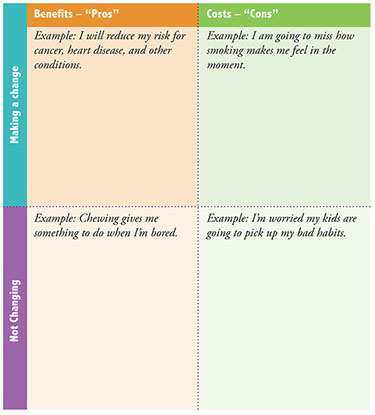
Learn what is pulling you toward your goal and what is holding you back. All thoughts and feelings are valid. Is your goal more important to you than the challenges to achieve it? Are you pursuing this goal just because someone said you “should” do it? Complete the chart below as well as you can. If you think of something later, come back to this page to add another point to one of the boxes.
© American Institute for Preventive Medicine
Healthylife® QuitWell™
Part 1
The maintenance phase of quitting starts after you have been quit for about six months. At this point, your tobacco/nicotine free lifestyle has started to feel more normal and routine. It can take years to feel like tobacco/nicotine is truly in the past, though. In this phase, you may not be thinking of your old habit on a daily basis, but reminders are still all around you. Your new habits are still young.
What do you enjoy about being tobacco/nicotine free?
What challenges have you overcome to get here?
If you have quit before and relapsed, what tripped you up?
Stress is one of the most common triggers for relapse. This guide has many tools for responding to things that happen to you. While it may not be possible to control what happens in your life, you can control your response.
Deepen your motivation, understand your barriers (even if you already overcame them), and build a supportive team you can lean on when the going gets tough.
© American Institute for Preventive Medicine