HEALTHY EATING
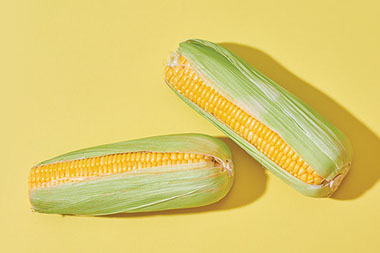
Corn on the cob is a favorite food at summer barbecues and outings. Its popular flavor makes it a treat – but it has plenty of health benefits too.
Basics of corn
Corn isn’t a vegetable. It’s actually a type of grain. Whole grain corn contains vitamins and heathy plant compounds.
Some of corn’s nutrients include:
* Soluble and insoluble fiber, which helps with digestion and preventing constipation
* B vitamins, including vitamin B5, folate, B6, and niacin, which help with energy and many body processes
* Potassium, which is important for heart health
* Antioxidants, including zeaxanthin and lutein, which may be linked to eye health
Making corn the healthy way
Corn is versatile and can be cooked in several different ways. Many people simply remove the husk and boil it until tender. But you can also grill it, bake it and microwave it.
If you can’t find fresh corn on the cob, frozen corn (on the cob or removed) is a healthy option. Look for brands that do not add salt, sugar or other ingredients. Frozen corn is usually microwaved or steamed.
If you use butter or margarine, measure it so you know how much you’re using. Start with 1/2 teaspoon and see if you can cover the entire ear of corn with that small amount. Try a salt-free seasoning blend or black pepper for a flavor kick without sodium.
What about corn chips?
If corn is healthy, then are foods with corn in them a healthy choice? Not necessarily.
Corn is used in many processed foods like chips and crackers. These products won’t have the same health benefits as real corn on the cob.
Many processed foods contain added salt, sugar and unhealthy fats. They may also remove many of corn’s natural nutrients. Some research shows that eating a lot of highly processed foods can lead to obesity and health problems.
Sources: American Heart Association, United States Department of Agriculture
© American Institute for Preventive Medicine