Tag: cleaning

  • Do Your Chores

    Fitness

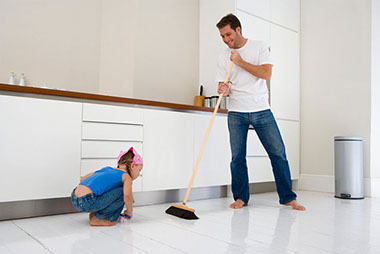
    Image of father and daugher cleaning.

    Burn calories while you clean.

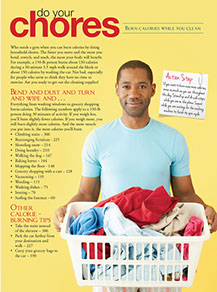
    Who needs a gym when you can burn calories by doing household chores. The faster you move and the more you bend, stretch, and reach, the more your body will benefit. For example, a 150-lb person burns about 130 calories during a 30-minute 3.5 mph walk around the block or about 150 calories by washing the car. Not bad, especially for people who seem to think they have no time to exercise. Are you ready to get out the cleaning supplies?

    Bend and dust and turn and wipe and . . .

    Everything from washing windows to grocery shopping burns calories. The following numbers apply to a 150-lb person doing 30 minutes of activity. If you weigh less, you’ll burn slightly fewer calories. If you weigh more, you will burn slightly more calories. And the more muscle you put into it, the more calories you’ll burn.

    *  Climbing stairs – 306

    *  Rearranging furniture – 225

    *  Shoveling snow – 214

    *  Doing laundry – 210

    *  Walking the dog – 147

    *  Raking leaves – 144

    *  Mopping the floor – 140

    *  Vacuuming – 119

    *  Weeding – 115

    *  Washing dishes – 75

    *  Ironing – 70

    *  Surfing the Internet – 60

    Other calorie – burning tips

    *  Take the stairs instead of the elevator – 306

    *  Park the car farther from your destination and walk – 227

    *  Carry your grocery bags to the car – 190

    Action Step

    If you want to burn even more calories, move as much as you can throughout the day. Stand up and do side steps while you are on the phone. Squat while you are waiting for the washing machine to finish its spin cycle.

    Page image from Ways to Well-Being book by the American Institute for Preventive Medicine. www.HealthyLife.com. All rights reserved.

    © American Institute for Preventive Medicine

  • Earwax

    Ear, Nose & Throat Conditions

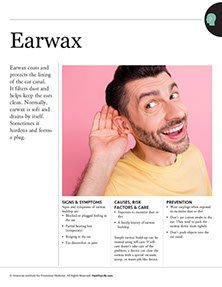
    Earwax coats and protects the lining of the ear canal. It filters dust and helps keep the ears clean. Normally, earwax is soft and drains by itself. Sometimes it hardens and forms a plug.

    Signs & Symptoms

    Signs and symptoms of earwax buildup are:

    *  Blocked or plugged feeling in the ear

    *  Partial hearing loss (temporary)

    *  Ringing in the ear

    *  Ear discomfort or pain

    Causes

    *  Exposure to excessive dust or dirt

    *  A family history of earwax buildup

    Simple earwax build-up can be treated using self-care. If self-care doesn’t take care of the problem, a doctor can clear the earwax with a special vacuum, scoop, or water-pik-like device.

    Prevention

    *  Wear earplugs when exposed to excessive dust or dirt.

    *  Don’t use cotton swabs in the ear. They tend to pack the earwax down more tightly.

    *  Don’t push objects into the ear canal.

    Self-Care

    {Note: Use only if you know that your eardrum is not ruptured or infected. See signs of a ruptured eardrum and ear infection under “When to Seek Medical Care” on this page.}

    *  Don’t try to scrape out earwax. You could put a hole in your eardrum or damage the skin of your ear canal.

    *  Use an over-the-counter product, such as Murine Ear Drops, Debrox, etc. Follow package directions.

    *  Hold a warm, wet washcloth on the blocked ear or, take a warm shower. Let the water gently flow into the ear. Use the tip of a warm washcloth to remove the softened wax. Don’t use cold water. This may cause dizziness.

    *  Lie on your side or tilt your head sideways. Using a clean medicine dropper, carefully squeeze a few drops of lukewarm water into your ear. Leave the water there for about 10 minutes. Tilt your head to let the water drain out of the ear. After several minutes, do the same thing again. If the ear wax has not cleared in 3 hours, repeat this entire procedure. {Note: Instead of just warm water, you can use a mixture of 1 part warm water and 1 part hydrogen peroxide. Keep the drops in the ear for 3, not 10 minutes, though.}

    *  Rest a hot water bottle on the affected ear for a few minutes. Afterward, use a washcloth to remove the softened wax.

    When to Seek Medical Care

    Contact Doctor When:

    *  You have sudden or total hearing loss in one or both ears.

    *  Earwax has not cleared after using self-care for several days.

    *  You have signs of a ruptured eardrum:

    – Ear pain

    – Blood or other ear discharge

    – Partial hearing loss

    – Ringing or burning in the ear

    *  You have ear pain with any of these signs of an ear infection:

    – Feeling of fullness in the ear that leads to ear pain

    – Fever of 101°F or higher

    – Blood, pus, or fluid from the ear

    – Temporary hearing loss

    – Redness and swelling of the skin of the ear canal

    – Nausea, vomiting, and/or dizziness

    Health at Home Lifetime book by the American Institute for Preventive Medicine. www.HealthyLife.com. All rights reserved.

    © American Institute for Preventive Medicine

  • Regular Dental Care

    Dental & Mouth Concerns

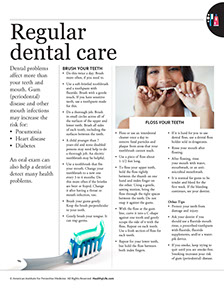
    Image of father brushing toddler's teeth.

    Dental problems affect more than your teeth and mouth. Gum (periodontal) disease and other mouth infections may increase the risk for:

    *  Pneumonia.

    *  Heart disease.

    *  Diabetes.

    Also, an oral exam can help a dentist detect many health problems. These include diabetes, eating disorders, heart disease, osteoporosis, and a lack of vitamins.

    Brush Your Teeth

    *  Do this twice a day. Brush more often, if you need to.

    *  Use a soft-bristled toothbrush and a toothpaste with fluoride. Brush with a gentle touch. If you have sensitive teeth, use a toothpaste made for this.

    *  Do a thorough job. Brush in small circles across all of the surfaces of the upper and lower teeth. Brush the outer, inner, and chewing surfaces. Brush the surfaces between the teeth.

    *  A child younger than 7 years old and some handicapped persons may need help to do a thorough job. A mechanical tooth brush may be helpful.

    *  Use a toothbrush that fits your mouth. Change your toothbrush to a new one every 3 to 4 months. Do this more often if the bristles are bent or frayed. Change it after having a throat or mouth infection, too.

    *  Brush your gums gently. Keep the brush perpendicular to your teeth.

    *  Gently brush your tongue. It can trap germs.

    Floss Your Teeth

    *  Floss or use an interdental cleaner once a day to remove food particles and plaque from areas that your toothbrush cannot reach.

    *  Use a piece of floss about 1-1/2 feet long.

    *  To floss your upper teeth, hold the floss tightly between the thumb on one hand and index finger on the other. Using a gentle, sawing motion, bring the floss through the tight spaces between the teeth. Do not snap it against the gums.

    *  With the floss at the gum line, curve it into a C-shape against one tooth and gently scrape the side of it with the floss. Repeat on each tooth. Use a fresh section of floss for each tooth.

    *  Repeat for your lower teeth, but hold the floss between both index fingers.

    *  Rinse your mouth after flossing.

    *  If it is hard for you to use dental floss, use a dental floss holder sold in drugstores.

    *  After flossing, rinse your mouth with water, mouthwash, or an anti-microbial mouthrinse.

    It is normal for gums to be tender and bleed for the first week. If the bleeding continues, see your dentist.

    More Tips

    *  Protect your teeth from damage and injury.

    *  Ask your dentist if you should use a fluoride mouth rinse, a prescribed toothpaste with fluoride, fluoride supplements, and/or a water-pik device.

    *  Don’t lay a baby down with a bottle left in the baby’s mouth if the bottle contains juice, milk, soda, etc. Water is okay, though.

    Get Regular Dental Checkups

    See your dentist every 6 months, at least every year, or as often as your dentist advises. Regular dental checkups are important to:

    *  Clean your teeth and remove plaque and tarter that buildup even after you brush and floss every day. Removing plaque and tartar helps prevent cavities, gum disease, and other problems.

    *  Check for cavities, gum disease, oral cancers, tooth grinding, bite problems, and other problems. When these are detected early, they are easier to treat.

    *  Address any areas of concern.

    *  Find out how to take care of your teeth and what dental care products you should use.

    Also, an oral exam can help a dentist detect other health problems, such as diabetes, heart disease, eating disorders, and osteoporosis.

    Diet & Dental Health Tips

    *  If your local water supply has fluoride, drink 6 to 10 cups of tap water every day. If not, make sure to use a fluoride toothpaste.

    *  Eat a well balanced diet. Limit between-meal snacks.

    *  Eat sticky, chewy, sugary foods with (not between) meals. Finish a meal with foods that help buffer acid formation. Examples are cheese, meat, fish, nuts, and dill pickles.

    *  Avoid sugar-sweetened gum and beverages. Chew a sugar-free gum instead, especially one with the artificial sweetener xylitol.

    *  Don’t eat sweets, fruit, or starchy foods just before bedtime. Your mouth makes less saliva during the night. This allows cavity-causing bacteria to feed on food particles. Brushing your teeth doesn’t effectively prevent this.
    Healthier at Home book by the American Institute for Preventive Medicine. www.HealthyLife.com. All rights reserved.

    © American Institute for Preventive Medicine

  • 10 Dental Problems And What To Do About Them

    SELF-CARE CORNER

    Image of dentist.

    1.Bad breath:For fresh breath, brush twice a day, floss daily, drink plenty of water, see your dentist regularly, and don’t smoke. If bad breath persists, talk to your dentist or doctor.

    2.Tooth decay:When cavities are left untreated, they can get worse and lead to infections and loss of teeth. Get cavities filled quickly to prevent more extensive dental work and serious health problems.

    3.Gum disease:Without treatment, gum disease gets worse and can lead to tooth loss. Symptoms include bleeding, swollen, tender, and red gums, but it often has no signs in the early stages.

    4.Stained teeth:Some medications, foods, and drinks can yellow or discolor teeth. Many dentists offer whitening treatments that can help.

    5.Mouth sores:A salt water rinse can help with canker sores or irritation from braces or other dental appliances. But, if sores last a week or more, your dentist should take a look.

    6.Tooth sensitivity:Special toothpaste or dental procedures, such as crowns, can help relieve sensitivity to hot or cold. Look for the ADA (American Dental Association) seal of acceptance on products before buying.

    7.Enamel erosion:Acidic foods and drinks can wear away at the tooth’s protective enamel over time. This can lead to tooth sensitivity and discoloration. Drinking water and milk instead of soda can help avoid this problem.

    8.Wisdom teeth:Third molars, or wisdom teeth, often need to be removed during the teen or young adult years. If the jaw doesn’t have enough space for them, they can crowd or damage the other teeth.

    9.Oral cancer:Cancer of the mouth, lips or gums affects about 50,000 Americans every year. Symptoms may include sores, patches, lumps, or pain in the mouth. If you notice any of these signs, contact your dentist or doctor.

    10.Teeth grinding:Teeth grinding can lead to cracks and damage to the teeth enamel. A special guard made by your dentist can help protect your teeth. Beware of mouth guards sold over the counter as they can fit improperly and become a choking hazard when you sleep.

    Even if you don’t have any tooth pain or other symptoms, it’s important to see your dentist every six months. Regular checkups with your dentist can prevent or treat these problems so you can keep a healthy, bright smile for life.

    Sources: American Dental Association, Oral Health Foundation

    © American Institute for Preventive Medicine

  • Arm Yourself With A Vegetable Scrubber

    HEALTHY EATING

    Image of vegetables being washed in a scrubber.

    A University of Nebraska-Lincoln food safety specialist said it is important to properly wash fresh produce before eating to reduce harmful microorganisms that could cause foodborne illness.

    Wash produce with running water and then let that water go down the drain. Do not just soak the produce, said Julie Albrecht, UNL Extension food safety specialist at the Institute of Agriculture and Natural Resources.

    If there is something on the outside of a food, soaking it could allow the microorganisms to spread to other parts of the food or to other produce in the same sink. Running water washes the microorganisms down the drain.

    “It’s really just about preventing cross contamination,” Albrecht said. “Always use a colander or strainer so the water goes through the produce instead of just letting produce sit in water.”

    It is important to wash all fresh produce, even ones with rinds that are not eaten, Albrecht said. Bacteria could be living on the surface and then spread to the inside of the fruit when the rind is cut.

    Scrub foods with tough surfaces, such as melons and potatoes, with a vegetable scrubber.

    Immediately refrigerate fresh produce after cutting it. Most fruits and vegetables can be stored at 40ºF or below, which is cold enough to prevent microorganisms from growing.

    “Once you cut something or peel it, keep it cold, refrigerate it. Do not let it sit out at room temperature because microorganisms grow best around temperatures of 80 to 100. Plus, your food will be crisper and of a better quality,” Albrecht said.

    Leafy vegetables and tomatoes have been linked to foodborne illness outbreaks in recent years, so take extra care to wash them and keep them cold, Albrecht said.

    Be sure to also wash hands, surfaces, and utensils before handling raw produce.

    While shopping, only buy the best-looking produce that will stay fresh the longest. “Pick high-quality produce with no bumps or scratches at the peak of ripeness or maybe a little under ripe,” Albrecht said. “And make sure there is no mold, especially on berries.”

    © American Institute for Preventive Medicine

  • Avoiding Chemicals In The Home

    SELF-CARE CORNER

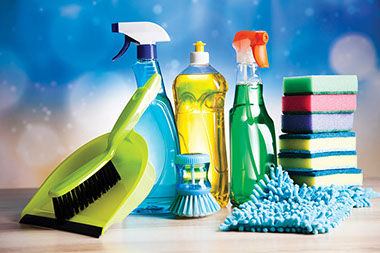
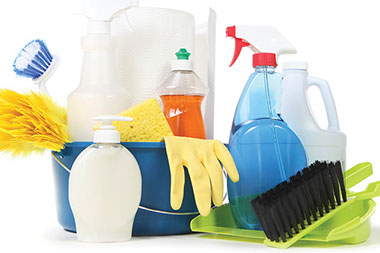
    Image of variety of cleaning supplies.

    Many common household items contain chemicals. Not all chemicals are bad for your health, but some can be harmful. To keep yourself and your family healthy, it’s best to take steps to reduce or avoid chemicals that could be unsafe.

    Did you know possible toxic substances can be found in cleaning products, furniture, carpet and shower curtains? Here’s how to avoid unsafe levels of toxins:

    *Read labels carefully.Many cleaning products have warnings and directions for how to use them. Follow these carefully. For instance, if it says, “use in a well-ventilated area,” you should be sure to open a window to the outside.

    *Be aware of odors.If something gives you a headache, sore throat or makes you cough, this may be a sign that you shouldn’t use it anymore.

    *Protect your skin.Wear gloves when using cleaning products and wash your hands after cleaning. Don’t let children use products with any chemicals in them like bleach, ammonia or strong cleaning ingredients.

    *Get checked for lead.If you live in a home built before 1980, ask your local health department how you can get your home and water checked for lead. You can’t see, smell or taste lead. Lead is harmful to the brain and affects children’s development. Find out if your home is at risk and take steps to get it removed, if needed.

    *Avoid pesticides whenever possible.Contact professional pest control companies for insect problems.

    *Choose fragrance-free products when possible.Many fragrances contain chemicals that disrupt hormone functions in the body. Also, some people are sensitive to fragrances.

    *Replace old nonstick pans that look worn or scratched.They may contain chemicals that can get into your food.

    *Look for cleaning products that have the Environmental Protection Agency’s “Safer Choice” label.For more information, visitwww.epa.gov/saferchoice/products.

    If someone in your home may have ingested a poisonous product, call The American Association of Poison Control Centers at (800) 222-1222.

    Remove dust for a healthier home

    Did you know household dust often contains chemicals and toxins from your home? A good way to reduce your exposure to them is to keep dust down. Try these tips:

    *  Choose non-toxic or “Safer Choice” cleaning products. White vinegar is an effective non-toxic cleaner for many surfaces.

    *  Use a damp rag without chemicals to dust.

    *  Clean floors with a damp mop or a steam-only mop.

    *  Vacuum floors regularly and use a vacuum with a high efficiency particulate air (HEPA) filter.

    *  Open windows to bring in fresh air whenever possible.

    *  Change furnace and air filters regularly.

    *  Wash hands often.

    Source: National Institutes of Health, Environmental Protection Agency

    © American Institute for Preventive Medicine

  • Clean Contacts Matter

    SELF-CARE CORNER

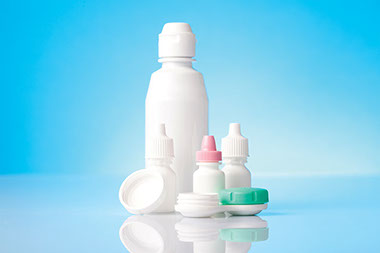
    Image of contact solution, case and eye drops.

    If you wear contact lenses, it’s important to keep them clean and care for them properly. Not taking care of your contact lens could cause an eye infection known as keratitis, which can cause serious eye problems. The CDC says 988,000 people had keratitis in 2010. The biggest risk factor was improper care of contact lenses.

    You can greatly reduce your risk of this infection by doing the following things each day:

    *  Wash your hands with soap and water before inserting or removing your lenses.

    *  Use only sterile contact lens solution and disinfectant. Don’t use water, saliva, or other liquids to store or rinse your lenses.

    *  Gently rub your lenses with disinfectant daily.

    *  Remove your lenses before showering, swimming and sleeping.

    *  Use fresh solution every day. Dump out all the old solution.

    *  Don’t wear lenses longer than directed. For instance, some disposable contacts are designed to be worn for one day. Some can be worn for several weeks or longer. Ask your eye care professional if you’re not sure.

    *  Don’t use expired solution or contacts.

    *  Replace your contact lens case every three to six months.

    Source: The American Academy of Ophthalmology

    © American Institute for Preventive Medicine

  • Do-It-Yourself Spring Cleaning Guide

    WELL-BEING

    Image of various cleaning products.

    Germs grow and invade your privacy. Bathrooms are one of their popular spots. They gather in the bathtub, shower, toilet-just about everywhere.

    “People these days just don’t take time out from their busy schedule to clean,” said Donna Duberg, lab science and germ expert at Saint Louis University. Duberg offers some simple ways to do your spring cleaning and make your bathroom germ-free.

    Simplify cleaning:Engage in basic cleaning such as disinfecting and removing visible dirt regularly, to make spring cleaning less cumbersome. As spring sets in, brace yourself to clear the scum and lime scale-mostly found on your shower curtains-and mold stuck in and around your bathtub. They hold on to bacteria and can cause fungi to grow.

    Don’t overkill:If you use too many cleaners and don’t dilute them, you risk the chance of inhaling the fumes of the cleaners, which can affect your lungs. Keep the windows open while cleaning or plug in fans to avoid breathing in the chemicals. Read the label carefully to understand how to use a product.

    Instead of harsh chemicals, use the magic ingredient:Vinegar, when mixed with water can do wonders for the surfaces. Spray a mixture of one part white distilled vinegar mixed with 9 parts water to see a nice shine on your bathtub or floor. Undiluted white distilled vinegar mixed with baking soda can be used to remove scum. The fewer the cleaning products, the better. Vinegar is inexpensive, is not harmful to kids and pets, and always leaves a shine.

    © American Institute for Preventive Medicine

  • Germs: Just Don’T Share Them

    WORK LIFE

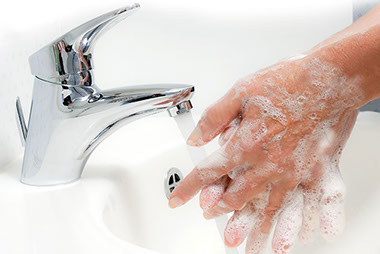
    Image of hands being wash with soap and water.

    If you must go to work or do necessary errands with a minor illness, follow these tips from the CDC to help prevent the spread of germs:

    *  Wash your hands often with soap and running water. Wash your hands after blowing your nose and using the bathroom.

    *  Cough or sneeze into a tissue and throw it away. If you do not have a tissue, cough or sneeze into your elbow, not your hand.

    *  Avoid touching your eyes, nose, or mouth.

    © American Institute for Preventive Medicine

  • Wash And Eat

    HEALTHY EATING

    Image of man holding a bowl of fruit.

    Pesticides are compounds that help to protect crops from devastating pests and weeds. Whether conventional or organic, farmers safely and carefully use pesticides as necessary to control insects, weeds, and fungus (organic farming does permit the use of certain pesticides), says the International Food Information Council.

    Pesticide residues are tiny amounts of chemicals that may remain on food from their application to crops while being grown on the farm. Some crops are less susceptible to pesticide residues, such as those with a husk (corn), shell (peanuts), or skin (bananas). However, even those without an outer layer are safe to eat, and simply washing raw fruits and vegetables before eating them removes most traces of pesticide residues.

    © American Institute for Preventive Medicine