SELF-CARE CORNER
Most people will have cataracts by the age of 80. But they don’t have to mean loss of vision. They are treatable.
What is a cataract?
A normal lens inside the eye is clear. Cataracts happen when the proteins in the eye’s lens start to break down. Then they clump together. This causes cloudiness and problems with your vision.
Cataracts may occur with normal aging. But they can also happen after an eye injury or if you had eye surgery.
Signs of cataracts
People often notice changes in vision when cataracts start to form. These changes include:
* Blurry or distorted vision
* Being sensitive to light
* Seeing a “halo” around lights
* Seeing double
* Trouble seeing at night or in dimly lit rooms
* Seeing colors as dull or yellow-tinted
Prevention
The best way to help prevent cataracts is with eye sun protection. Wear sunglasses that block out 100 percent of UV rays when you’re outside during the day. Not all sunglasses offer 100 percent UV protection. Check the packaging to be sure. Wear a wide-brimmed hat to keep sun off your face.
Smoking increases the risk for cataracts, so quit smoking. Get help quitting if you need it.
Finally, get a dilated eye exam regularly. Ask your eye care specialist or doctor how often you need one.
Seeing a doctor
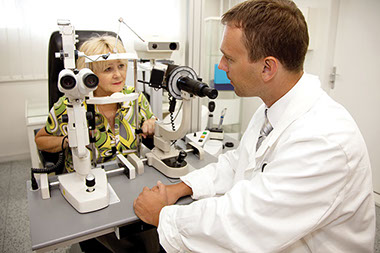
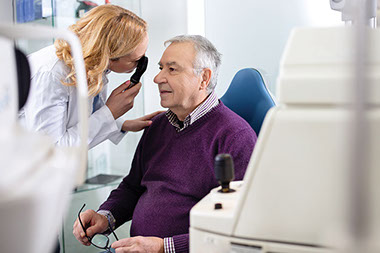
If you think you might have cataracts, talk to a doctor. You may need an eye exam from an optometrist or ophthalmologist. During the exam, your eye care specialist can perform tests to look for cataracts.
Treatment options
If your doctor finds cataracts, don’t panic. There are ways to treat them.
First, your doctor may recommend new glasses or contacts for mild symptoms. You may also find that using brighter lights or a magnifying lens is helpful for reading or working.
If your cataracts are interfering with life, you may need surgery. Cataracts surgery involves putting a new artificial lens in the eye. It is a safe surgical procedure and works well for most people.
Sources: American Academy of Ophthalmology, National Eye Institute
© American Institute for Preventive Medicine