Tag: Colon Cancer

  • Colon & Rectal Cancers

    Abdominal & Urinary Conditions

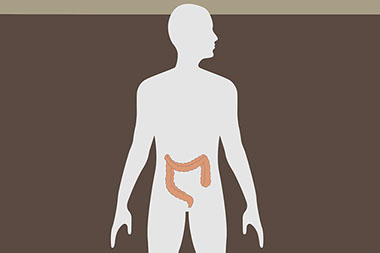
    The colon and rectum form the large bowel. The colon is the upper 5 to 6 feet. The rectum is the last 6 to 8 inches. When abnormal cells grow in the colon, a cancerous tumor may form. Colon tumors grow slowly. They may get big and block the bowel.
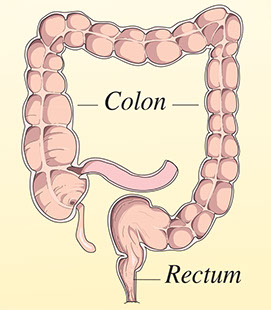
    Illustration of colon and rectum.

    Signs & Symptoms

    Colon and rectal cancers can occur without clear symptoms. For this reason, screening is important. When symptoms occur, they include:

    *  A change in bowel habits for 2 or more weeks or constipation or diarrhea for 1 or more weeks.

    *  Frequent gas pains, cramps, bloating, or feelings of fullness in the abdomen

    *  Red or dark blood in or on the stool or rectal bleeding. Pencil thin stools.

    *  Fatigue and/or iron deficiency anemia in men and older women

    *  A feeling that the bowel does not empty completely

    *  Weight loss for no known reason

    Causes, Risk Factors & Care

    Risk factors for colon and rectal cancers:

    *  Polyps (benign growths that can become cancerous over time). Most colon and rectal cancers develop from polyps.

    *  Family history of colon or rectal cancer. Unless it is treated, an inherited condition called Familial Polyposis puts a person at a very high risk.

    *  Having ulcerative colitis or Crohn’s disease.

    *  Aging. Colon and rectal cancers occur most often in people over age 50.

    *  Smoking. Heavy alcohol use.

    *  Eating a diet high in animal fat and low in fiber

    *  Lack of exercise and/or being very overweight

    Finding and treating the cancer early is vital. Treatment includes surgery, chemotherapy, and radiation therapy.

    Self-Care / Prevention

    Self-Care:

    *  Schedule and go to follow-up exams.

    *  Join a cancer support group.

    *  Follow a high fiber, low-fat diet. Eat whole-grain breads and cereals. Have at least 5 servings of vegetables and fruits a day.

    Prevention

    Colon and rectal cancers are completely curable if found early. Have screening tests as advised by your doctor.

    *  High-sensitivity fecal occult blood test

    *  Flexible sigmoidoscopy

    *  Colonoscopy

    How often testing needs to be done depends on the test(s) given. {Note: If you have a family history of colon polyps or colon or rectal cancers, screening tests may need to be started sooner than age 50.}

    *  Have colon polyps removed.

    *  Eat plenty of fruits, vegetables, and whole grains. Limit fat.

    When to Seek Medical Care

    Contact Doctor When:

    *  You have any symptoms of colon and rectal cancer listed on this page.

    *  You need to schedule screening tests for colon and rectal cancer. Follow the schedule your doctor advises.

    Resources

    The National Cancer Institute

    800.4.CANCER (422-6237)

    www.cancer.gov

    The American Cancer Society

    800.227.2345
    www.cancer.org

    Healthier at Home book by the American Institute for Preventive Medicine. www.HealthyLife.com. All rights reserved.

    © American Institute for Preventive Medicine
  • Colorectal Cancer

    Cancer

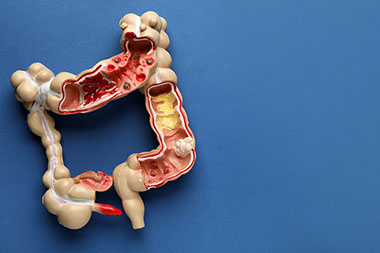
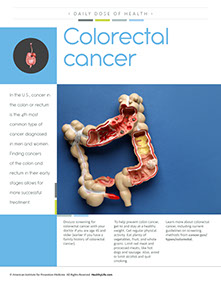
    Plastic model colon showing parts of the inside of the colon.

    In the U.S., cancer in the colon or rectum is the 4th most common type of cancer diagnosed in men and women. Finding cancers of the colon and rectum in their early stages allows for more successful treatment.

    Discuss screening for colorectal cancer with your doctor if you are age 45 and older (earlier if you have a family history of colorectal cancer).

    To help prevent colon cancer, get to and stay at a healthy weight. Get regular physical activity. Eat plenty of vegetables, fruit, and whole grains. Limit red meat and processed meats, like hot dogs and sausage. Also, avoid or limit alcohol and quit smoking.

    Learn more about colorectal cancer, including current guidelines on screening methods fromcancer.gov/types/colorectal.

    Health at Home Lifetime book by the American Institute for Preventive Medicine. www.HealthyLife.com. All rights reserved.

    © American Institute for Preventive Medicine
  • Prevent Colorectal Cancer

    Cancer

    Hand holding blue ribbon for colon cancer awareness.

    Get recommended screenings for colorectal cancer to remove any pre-cancerous tumors before they turn into cancer. Screenings can also find cancer early when treatment is more successful.

    What’s your risk?:Discuss with your doctor your risk level and which type of screening is best for you. Screening is recommended to begin at age 45 for average risk people.

    Eat wisely:Eat a diet with plenty of vegetables, fruits and whole grains, and low in red and luncheon meats.

    Be active:Get at least 150 minutes of moderate physical activity every week.

    Limit alcohol:If you drink alcohol, limit your intake to no more than two drinks a day for men and one drink a day for women.

    Health at Home Lifetime book by the American Institute for Preventive Medicine. www.HealthyLife.com. All rights reserved.

    © American Institute for Preventive Medicine

  • 10 Tips To Lower Your Risk For Colorectal Cancer

    SELF-CARE CORNER

    Image of older women smiling.

    UCLA experts encourage you to protect your colon health:

    1. Get regular colorectal cancer screenings starting at age 50 if you are at normal risk.

    2. Talk to your doctor about screenings before age 50 if you are at higher risk. This could be due to a personal or family history of colorectal cancer, other cancers or inflammatory bowel disease.

    3. Eat between 25 and 30 grams of dietary fiber each day. Fiber is in fruits, vegetables, whole-grain breads and cereals, nuts, and beans.

    4. Eat a low-fat diet. Colorectal cancer has been associated with diets high in saturated fat.

    5. Eat foods with the B-vitamin folate. Good sources are leafy green vegetables.

    6. Drink alcohol in moderation and quit smoking. Alcohol and tobacco in combination are linked to colorectal cancer and cancers of the stomach and intestines.

    7. Exercise for at least 20 minutes 3 to 4 days a week.

    8. Report to your doctor any persistent symptoms  such as:

    * Blood in the stool

    * A change in bowel habits

    * Weight loss

    * Narrower-than-usual stools

    * Abdominal pains or other gastrointestinal complaints

    9. Maintain a healthy weight.

    10. Get more information atwww.cancer.org(the American Cancer Society website).

    © American Institute for Preventive Medicine

  • 4 Steps To Prevent Colorectal Cancer

    MEDICAL NEWS

    Illustration of a colon.

    Colorectal cancer is the second leading cancer killer in our country. It takes the lives of about 50,000 people each year, according to the Centers for Disease Control and Prevention.

    Many of these deaths, however, could be prevented. Here’s what you need to know:

    1.Take care of your heart.Avoiding colorectal cancer is like getting a two-for-one deal. If you follow a heart-healthy lifestyle, you’ll also be lowering your risk of colorectal cancer. Don’t smoke, get regular exercise, and lose weight if you’re overweight. Limit red meat to no more than two servings per week. Finally, drink no more than one alcoholic drink per day for women, or two drinks per day for men.

    2.Know the symptoms.Signs of colorectal cancer usually include blood in your stool or stomach pain that doesn’t go away. See your doctor if you notice these signs.

    3.Find out your family history.If you have a close blood relative with the disease, you may be at a higher risk of getting it. Talk with your doctor about your risk.

    4.Get screened.Tests include stool blood tests that you do at home, sigmoidoscopy, and colonoscopy. Follow your doctor’s advice for screening tests and how often you need them. If you are at normal risk, begin screenings at age 50 and have them up to age 75. If you have risk factors for or a family history of colon polyps or colon cancer, you may need tests sooner and more often. During a colonoscopy, polyps can be removed before they turn into cancer. Screenings can save your life!

    © American Institute for Preventive Medicine