Tag: contacts

  • Save On Eye Care

    Medical Care

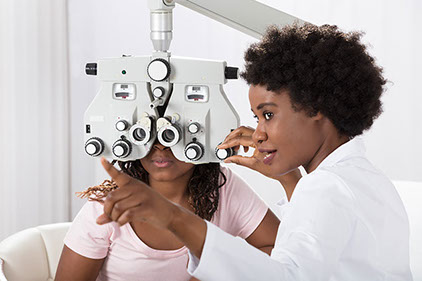
    Image of eye doctor with patient.

    “See” what you can do to get free or low cost vision care.

    Get a list of state and national resources for free and low-cost aid fromwww.nei.nih.gov/health/financialaid.asp.

    Eyeing eye care.

    It costs less to have an eye exam from an optometrist than an ophthalmologist. An optometrist (O.D.) is trained and licensed to examine eyes, prescribe lenses, and detect vision problems. Ophthalmologists are M.D.s. They can do everything optometrists do. They can also do surgery and prescribe medicines.

    Experience counts.

    If you are thinking about having surgery, etc. to correct your vision, find an eye surgeon who has a good record and approved equipment for the type of surgery you want to have. Ask your current eye doctor to recommend an eye surgeon. Don’t just use ads and low prices as your only factors in choosing an eye surgeon. It could cost you more in the long run.

    Get it in writing.

    When you get an exam for eyeglasses or contact lenses, get a copy of the prescription. Use it to get prices from different retail places, pharmacies, mail-order companies, and online sites.

    Check for coupons and discounts.

    Some retailers offer discounts, “buy one, get one free,” etc. You may also be able to get a discount on eyeglasses, etc. through membership with your auto insurance company, credit card program, and/or warehouse stores.
    Cover image to the Healthy Savings book by the American Institute for Preventive Medicine. www.HealthyLife.com. All rights reserved.

    © American Institute for Preventive Medicine
  • Being Ready For Medical Emergencies

    First Aid

    *  Learn basic first-aid skills. Take courses in CPR and first aid. These give hands-on practice in giving first aid and CPR the right way. Find out about them from your local Red Cross, police and/or fire department, etc.

    *  Find out what services your health plan covers and what steps you have to take to get emergency costs paid for.

    *  Carry the following information with you at all times:

    – Your name, address, phone number, and the person to contact if you need emergency care.

    – Your health insurance information.

    – Important medical information. This could be on a medical alert tag, on a wallet card, or on the back of your driver’s license. Have a list of medications, their dosages, and things you are allergic to.

    – Emergency telephone numbers. (Post these near phones, too.)

    First-Aid Kit

    Keep first-aid supplies handy, but out of children’s reach. Carry a first-aid kit in the car (or boat, wrapped in a waterproof container), as well as in the house. Campers, bikers, hikers, and persons who spend time in remote areas should take a first-aid kit with them. Once a year, check supplies for expiration dates. Restock items when they are used up or when expiration dates have passed.

    First-Aid Supplies & Medicines

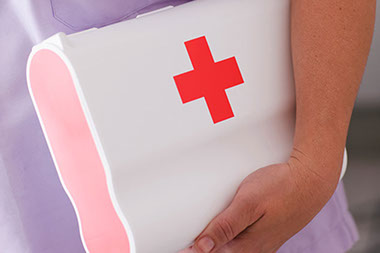
    Image of person holding first aid kit.

    *  Acetaminophen, aspirin, ibuprofen, etc.

    *  Adhesive bandages of different sizes.

    *  Antibiotic ointment.

    *  Antidiarrheal medicine.

    *  Antihistamine tablets or syrup.

    *  Antiseptic ointment or wipes.

    *  Calibrated medicine spoon & dropper (for kids).

    *  Cold pack.

    *  Cotton-tipped swabs.

    *  Elastic wrap and closures.

    *  Flashlight and extra batteries.

    *  Hydrocortisone ointment.

    *  Safety pins.

    *  Scissors.

    *  Sterile gauze pads, a roll of gauze, and tape.

    *  Sterile nonstick dressings.

    *  Sunscreen (SPF of 15 or higher).

    *  Tweezers.

    Add Extra Items for a Car or Boat

    *  Clean, folded sheet. Blanket.

    *  Large flashlight. Extra batteries. Flares. Rope.

    *  Plastic bottle of water, tightly capped.

    *  Protective clothing and footwear.

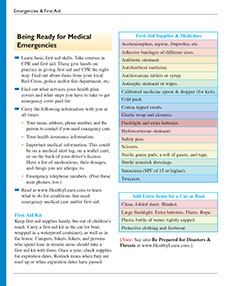
    Healthier at Home book by the American Institute for Preventive Medicine. www.HealthyLife.com. All rights reserved.

    © American Institute for Preventive Medicine
  • Clean Contacts Matter

    SELF-CARE CORNER

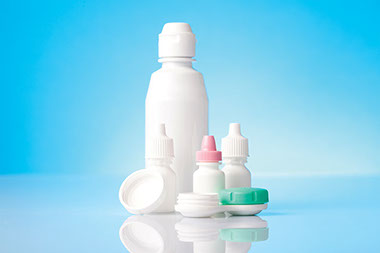
    Image of contact solution, case and eye drops.

    If you wear contact lenses, it’s important to keep them clean and care for them properly. Not taking care of your contact lens could cause an eye infection known as keratitis, which can cause serious eye problems. The CDC says 988,000 people had keratitis in 2010. The biggest risk factor was improper care of contact lenses.

    You can greatly reduce your risk of this infection by doing the following things each day:

    *  Wash your hands with soap and water before inserting or removing your lenses.

    *  Use only sterile contact lens solution and disinfectant. Don’t use water, saliva, or other liquids to store or rinse your lenses.

    *  Gently rub your lenses with disinfectant daily.

    *  Remove your lenses before showering, swimming and sleeping.

    *  Use fresh solution every day. Dump out all the old solution.

    *  Don’t wear lenses longer than directed. For instance, some disposable contacts are designed to be worn for one day. Some can be worn for several weeks or longer. Ask your eye care professional if you’re not sure.

    *  Don’t use expired solution or contacts.

    *  Replace your contact lens case every three to six months.

    Source: The American Academy of Ophthalmology

    © American Institute for Preventive Medicine
  • Work The Crowd

    WORK LIFE

    Image of business man smiling.

    Social gatherings, office parties, community events-they all give you an opportunity to enhance your professional image.

    But if you’re nervous about what to talk about in a crowd of strangers, Toastmasters International offers this advice to turn small talk into smart talk:

    *  Plan your topics. Think of 2 to 3 topics you can discuss with anyone.

    *  Keep it lighthearted. Avoid office gossip and controversial topics. Stay clear of topics related to sex, religion, and politics.

    *  Meet someone new. Take the first step to introduce yourself to the CEO. Or talk to someone new while waiting in the   food line.

    *  Spark a conversation. Ask open-ended questions about the person you’re getting to know.

    *  Listen attentively. Ask follow-up questions about the person or group you’re talking with. Listen more than you talk.

    *  Introduce others. Be sure to introduce a newcomer to those you’re talking with.

    *  Consider cultural differences. Take into account figures of speech, how you present humor, and personal space.

    *  Limit alcohol. Know your drink limit. If necessary, avoid alcohol altogether to keep your composure.

    © American Institute for Preventive Medicine