Tag: control

  • Change Is Your Choice

    Healthylife® Weigh

    Part 3

    Elderly couple eating dinner.

    The decision to make changes is up to you. You can decide which changes you want to make, how long it takes you to make them, and who you tell.

    Check in with yourself daily. Pick one of your action steps from Part 2 or a new one. Answer the following:

    *  What do I want to do? Am I willing to do this?

    *  If there is something I am unable to do, what do I need to do to get there?

    *  What am I going to do right now?

    Check in with Your Values

    Remember those values you identified in Part 1?

    *  How will continuing this journey help me live another one of my values?

    *  How have I cared for myself today?

    © American Institute for Preventive Medicine

  • Take Responsibility For Change

    Healthylife® Weigh

    Part 5

    Determined female jogging along road in the rain.

    Recognize your role in making changes. Other factors may have a role in your ability to do something. However, name something that IS in your power to change. Take control of your goals. Don’t wait for someone else to do it for you.

    Depending on someone or something else for change:

    *  I will meet my daily recommendation for vegetables when my kids start liking them more at meals.

    *  I will start a daily exercise routine when summer and warmer temperatures arrive.

    *  I will drink enough water every day when my office fixes the drinking fountain.

    Actively taking responsibility for change:

    *  I will meet my daily recommendation for vegetables when I swap my afternoon crackers for carrots and try a new vegetable at dinner each week.

    *  I will start a daily exercise routine when I set my alarm for an hour earlier and go for a brisk stroll in the morning before work.

    *  I will drink enough water every day when I fill up my water bottle one more time each day.

    Find a statement you wrote that doesn’t start with “I.” Re-write this statement to name something within your control.

    If you wait for perfect conditions, you’ll never get anything done.

    © American Institute for Preventive Medicine

  • The Importance Of Portions: Size Matters

    HEALTHY EATING

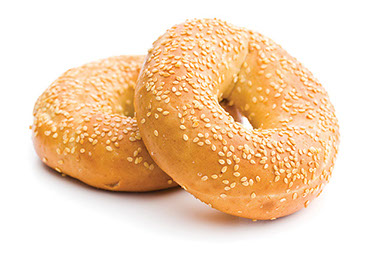
    Image of 2 bagels.

    If it seems like food portions are bigger today than they were years ago, it’s not your imagination. Health experts say that food sizes – and obesity rates – have grown in the last 20 years. Focusing on healthy foods is important. But portion sizes are also an important factor to think about when you eat. Whether it’s a cookie or a plate of spaghetti, how much you eat is just as important as what you eat. After all, the total calories you consume each day can mean the difference between gaining weight and losing it.

    Reality check: Portions are bigger today

    Take a look at these food comparisons, and find out what you need to do to burn off those extra calories.

    Bagel

    20 years ago: 140 calories, 3-inch diameter

    Today: 350 calories, 6-inch diameter

    Calorie difference: 210 calories

    You have to rake leaves for 50 minutes to burn the extra 210 calories. (Based on 130-pound person)

    Cheeseburger

    20 years ago: 330 calories

    Today: 590 calories

    Calorie difference: 260 calories

    You have to lift weights for 1.5 hours to burn the extra 260 calories. (Based on 130-pound person)

    Soda

    20 years ago: 85 calories, 6.5 ounces

    Today: 250 calories, 20 ounces

    Calorie difference: 165 calories

    You have to work in the garden for 35 minutes to burn 165 calories. (Based on 160-pound person)

    Source: National Heart, Lung, and Blood Institute Obesity Education Initiative

    © American Institute for Preventive Medicine

  • Keeping Asthma Under Control

    SELF-CARE CORNER

    Image on women holding an inhaler.

    According to the CDC, 25 million Americans have asthma today, including 10 percent of all children. Although it’s common, it should not be taken lightly. Asthma can severely affect quality of life, and can be deadly.

    Asthma attacks occur when a person with asthma comes into contact with an asthma “trigger.” A trigger causes inflammation and narrowing of your lungs’ airways. This can lead to coughing, wheezing and can limit or even prevent breathing. Asthma attacks require rescue medicines and can be a medical emergency.

    If you or your child has asthma, the most important thing you can do is keep it under control to avoid attacks. The keys to good asthma control are to:

    Have regular asthma checkups with your doctor.

    Working with your doctor to develop an asthma action plan plays a key role in good asthma control. Keep a diary of your asthma triggers and symptoms such as wheezing, coughing and shortness of breath. Discuss these with your doctor to find better ways to control your asthma. The goal is to minimize asthma attacks and take medicines, as needed.

    Use your asthma control medicines as prescribed.

    Control medicines are taken regularly, usually every day. These medicines help you avoid an asthma attack by minimizing inflammation. They do not help during an asthma attack.

    Know your asthma triggers and avoid them.

    Each person’s asthma triggers are different. They may include irritants, like cigarette smoke or chemical fumes, or they may be allergens such as dust, mold or pollen. You and your doctor should discuss your asthma triggers and how they can be avoided.

    © American Institute for Preventive Medicine

  • Stop The Spending Cycle

    WELL-BEING

    Image of colorful shopping bags.

    Going overboard on one shopping trip, especially around the holidays, does not mean you have a shopping addiction. It’s normal to overdo it once in a while. And, everyone buys things that aren’t truly needed at times.

    But, if you think you or a loved one might have a shopping addiction, there is help. Often times, a shopping addiction is the result of another health issue like depression. Talk with your doctor about your feelings and symptoms. Antidepressants or other medications may be helpful.

    Or, you may wish to talk with a counselor about things that are bothering you. Sometimes, emotional burdens or troubles can make you look for happiness in things like shopping. If you are able to deal with those problems, you may not feel the need to shop as much.

    There are also support groups for people with a variety of addictions. Debtors Anonymous can help people who have gone into debt from too much spending.

    Don’t be afraid to seek help. The sooner you can address the problem, the sooner you can get your life back on track.

    © American Institute for Preventive Medicine