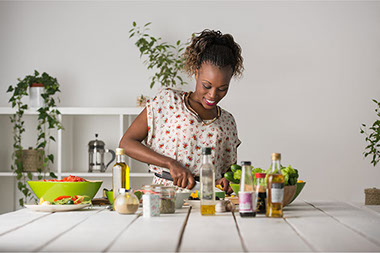
Tag: cooking

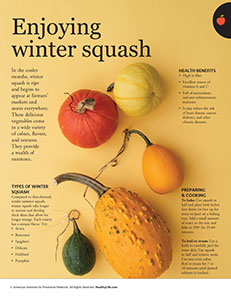
  • Enjoying Winter Squash

    HEALTHY EATING

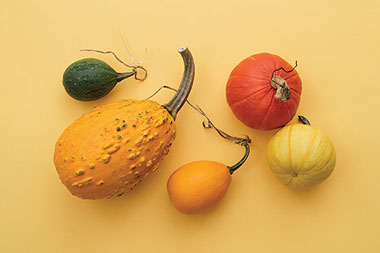
    Variety of winter squash.

    In the cooler months, winter squash is ripe and begins to appear at farmers’ markets and stores everywhere. These delicious vegetables come in a wide variety of colors, flavors, and textures. They provide a wealth of nutrients.

    Types of winter squash

    Compared to thin-skinned, tender summer squash, winter squash take longer to mature and develop thick skins that allow for longer storage. Each variety has a unique flavor. Try:

    *  Acorn

    *  Butternut

    *  Spaghetti

    *  Delicata

    *  Hubbard

    *  Pumpkin

    Health benefits

    *  High in fiber

    *  Excellent source of vitamins A and C

    *  Full of antioxidants and anti-inflammatory nutrients

    *  It may reduce the risk of heart disease, cancer, diabetes, and other chronic diseases.

    Preparing & cooking

    To bake:Cut squash in half and place both halves face down (or face up for some recipes) on a baking tray. Add a small amount of water to the tray and bake at 350º for 35-60 minutes.

    To boil or steam:Use a knife to carefully peel the outer skin. Cut squash in half and remove seeds. Cut into even cubes. Boil or steam for 7 to 10 minutes until desired softness is reached.

    © American Institute for Preventive Medicine

  • Be A Smart Meat Eater

    Nutrition

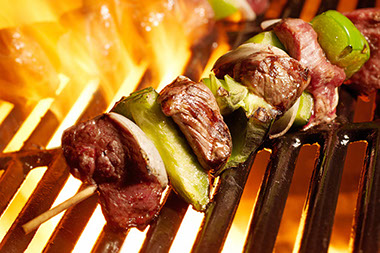
    Image of meat being grilled.

    With medical science indicting a high-fat diet as a major culprit in various diseases, red meat has fallen into disrepute over the past several years. Many consumers have sworn off steaks, burgers, and chops for poultry and fish. Now the U.S. Department of Agriculture reports that, thanks to changes in breeding and butchering techniques in the meat industry, beef and pork are leaner than they were 40 years ago. Also, certain cuts are considerably less fatty than others.

    That’s good news, because red meat is a good source of protein, and it’s rich in important minerals like iron, zinc, and manganese and B vitamins like thiamine, riboflavin, and niacin.

    You can continue to eat beef and pork and minimize your risk of gaining weight or developing high cholesterol levels or heart disease by taking the following steps.

    *  Check the label or ask your butcher what grade meat you’re buying. “Select” (previously known as “good”) is the leanest. “Choice” is somewhat higher in fat, and “prime” is the fattiest.

    *  Limit the amount of lunch meat and frankfurters you eat.

    *  Be careful buying lunch meat and frankfurters labeled as “lite.” Some may technically qualify as low in fat because they contain a high percentage of water, but they’re usually a poor buy nutritionally.

    *  Trim fat from meat before cooking.

    *  Broil or grill meat rather than frying it.

    *  Limit servings to 3 to 5 ounces each.

    *  Eat no more than five to seven servings of meat a week.

    Page from A Year of Health Hints book by the American Institute for Preventive Medicine. www.HealthyLife.com. All rights reserved.

    © American Institute for Preventive Medicine

  • Go For The Good Oils

    Nutrition

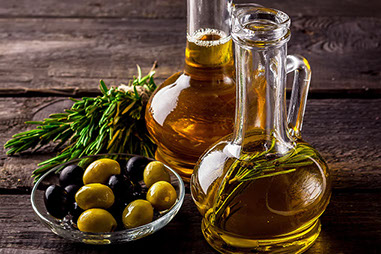
    Image of olive oil and olives.

    Polyunsaturated or monounsaturated oils are often called the good fats because small amounts may actually help to reduce cholesterol levels. They include:

    *  Canola or rapeseed oil (monounsaturated).

    *  Corn oil (polyunsaturated).

    *  Olive oil (monounsaturated).

    *  Peanut oil (monounsaturated).

    *  Safflower oil (polyunsaturated).

    *  Sesame oil (polyunsaturated).

    *  Soybean oil (polyunsaturated).

    Monounsaturated oils are preferred because they lower LDL cholesterol (bad cholesterol) without lowering HDL cholesterol (good cholesterol). Polyunsaturated fats tend to lower both.

    Page from A Year of Health Hints book by the American Institute for Preventive Medicine. www.HealthyLife.com. All rights reserved.

    © American Institute for Preventive Medicine

  • A Case For More Time In The Kitchen

    Healthylife® Weigh

    Part 3

    Couple cooking in the kitchen.

    While this section gives lots of tips for saving time, you may not want to speed through food preparation! Here are some reasons to allow extra time in your day or week for food preparation:

    *  Making more recipes from scratch will give you more control over what is in your food. You can also experiment with more flavors.

    *  Time in the kitchen can be a special time to connect with family and friends after a busy day or week. Turn the TV off and share tasks, like tossing a salad or setting the table.

    *  Many traditions are based around food. Cook old recipes or prepare a meal with an older family member. Sharing stories around food preparation can help you feel connected to your heritage. You may even create new traditions for the next generation of cooks!

    *  Cooking can be an enjoyable hobby. Searching for new recipes, getting creative with modifications, and sharing with others can help you manage stress and bring joy to your day.

    © American Institute for Preventive Medicine

  • Garlic Secrets

    HEALTHY EATING

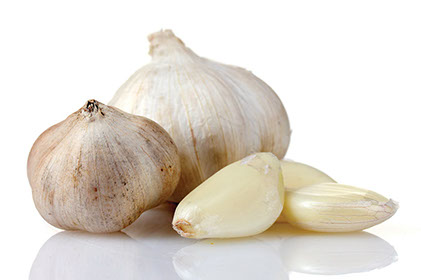
    Image of garlic.

    Use a garlic peeler to quickly peel garlic. A garlic peeler is a cylindrical piece of rubber that you place the garlic in and then roll it on the counter with the palm of your hand. The peel will stick to the inside of the peeler, and the garlic will fall out the end. If you don’t have a garlic peeler, you can do the same thing with a rubber jar opener, say extension experts at the University of Nebraska-Lincoln.

    Bonus tip:

    To mince garlic without having it stick to your knife, add a few drops of water to the garlic and then chop. The garlic sticks to the cutting board and not your knife.

    © American Institute for Preventive Medicine

  • Kitchen Shortcuts For Faster Homemade Meals

    HEALTHY EATING

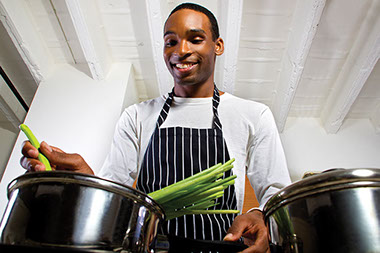
    Image of man prepping food in the kitchen.

    It’s hard to find time to get a home-cooked meal on the table when meal times come around. Many people are juggling work, responsibilities with family, housework and kids’ activities, to name a few.

    Plus, for those who aren’t experts in the kitchen, cooking dinner can seem like an impossible task. But, if you learn to take some shortcuts, it can be easier than you think. Try these tips to help you make a homemade meal with fewer hassles:

    *Purchase a few meals at once.If you can’t shop for a whole week, aim for three meals. Get the ingredients for those meals, and you’ll be ready for half of your week without any extra trips to the store.

    *Do a big chopping session.Clean and chop all veggies and fruits at once while you’ve got out your cutting board and knife. Then, put the ingredients in bags or containers with lids, and put them in the fridge or freezer. Once you’re ready to cook dinner, your chopped ingredients are ready to be cooked or thrown into the dish you’re preparing.

    *Freeze extra.Consider buying extra onions, carrots, green beans, or other veggies that frequently need to be chopped. Chop up more than you need, put the extras in freezer bags, and freeze until the next time you need them.

    *Make a big batch of rice or whole grains.When cooking rice, quinoa, or other grains, cook extra, place it in bags, and freeze. Simply thaw and microwave your grains when you’re ready to use them.

    *Plan ahead.Tackle the next meal before you go to bed the night before. Start thawing any frozen meats or other ingredients in the fridge. Make sure you have the ingredients and recipe you need for the next day.

    *Double up.Whenever possible, make a double recipe and freeze the extra. Soups, stews, meats and tomato-based sauces often freeze well. Frozen leftovers make a quick and nutritious meal on a busy night.

    *Check out make-ahead meals for the slow cooker.You can find slow cooker freezer meals online that allow you to make it ahead, throw the prepped meal in a bag, and freeze. Then, you have a meal that’s ready to put into the slow cooker in the morning to be ready for dinner time.

    Most successful meals come down to planning in advance. This means you may need to do the prep work the night before or on the weekend. Though it requires some effort to make a home-cooked meal, it’s worth the time and energy. You’ll be able to make a healthy meal for you and your family and may save some money, too.
    © American Institute for Preventive Medicine

  • Olive Oil

    HEALTHY EATING

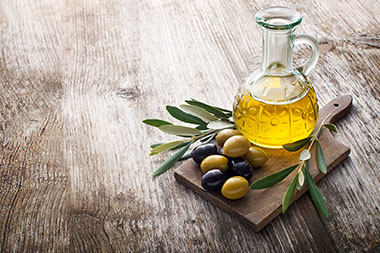
    Image of olives and olive oil.

    Olive oil is a more healthful choice than many other cooking fats. Using olive oil in place of saturated fats has been shown to help lower bad cholesterol and raise good cholesterol levels, which is why olive oil is heart healthy.

    Know these facts about olive oil, from the North American Olive Oil Association:

    *  Extra virgin olive oil is the most flavorful olive oil, with an unlimited range of flavors spanning from smooth and subtle to peppery and pungent. A finishing drizzle of extra virgin olive oil can enhance the texture, taste, and aroma of food.

    *  Olive oil, sometimes referred to as “classic” or “pure” olive oil, has a milder flavor with just a hint of fruitiness. The subtle flavor of olive oil makes it a perfect everyday cooking oil and easily adapts to a number of cooking methods such as grilling, sautéing, roasting, frying, and baking.

    *  Use bottled olive oil within 8 to 12 weeks of opening. Sealed packages can keep for up to 2 years.

    *  Dark bottles or tins are best at reducing potential damage from light.

    *  Avoid packages that show signs of improper handling or storage such as dust on the bottle, broken or loose seal on the cap, or an orange tint to the oil, which could indicate overexposure to fluorescent lighting or that heat has damaged the oil.

    *  Look for a country of origin statement, which is required by federal labeling laws and is typically found on the back label near the nutritional information.

    © American Institute for Preventive Medicine

  • Smart Recipe Swaps

    HEALTHY EATING

    Image of women cooking.

    You can reduce fat and calories without sacrificing taste by swapping out a few ingredients in your favorite recipes, according to the University of Nebraska-Lincoln Extension experts.

    *  Use two egg whites in place of one egg to reduce cholesterol.

    *  Use low-sodium, fat-free chicken broth in your mashed potatoes to add flavor and cut back on added butter or margarine.

    *  Substitute applesauce for oil, margarine, or butter in muffins and quick breads such as banana bread. Try substituting a small amount at first, as the more you substitute, the more the texture of the finished product changes.

    *  For dips, sauces and pie toppings, use fat-free yogurt, sour cream and whipped topping.

    *  Sliced almonds make a delicious, crunchy topping in place of fried onion rings.

    *  Choose reduced-fat or low-fat cheeses for salads and casseroles.

    © American Institute for Preventive Medicine