FAMILY LIFE
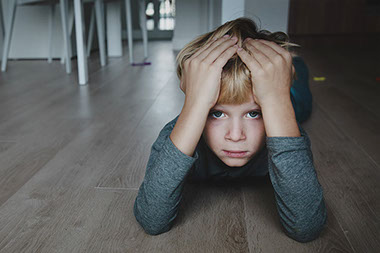
It’s normal for kids to experience short-lived fears, such as fear of storms, the dark, animals, or strangers. But, for some kids, fear and worry become excessive and may impact their well-being.
Being alert for signs of anxiety in your child can help you identify it early and provide immediate support.
What is childhood anxiety?
When a child does not outgrow normal childhood fears, or those fears begin to interfere with daily life, they may have an anxiety disorder.
* Separation anxiety: fear of being apart from parents
* Phobias: extreme fear of a specific situation or thing, such as an animal or activity
* Social anxiety: fear of situations surrounded by other people, such as at school
* General anxiety: fear of the future and general worry about what might happen
* Panic disorder: recurrent attacks of intense fear combined with sweating, dizziness, increased heart rate, and shaking
Symptoms
Anxiety can show up in many different ways and often starts with subtle behaviors you may not identify as fear.
Knowing when something is a problem and not just a childhood “phase” can be challenging. Watch for these common symptoms:
* Trouble sleeping
* Recurrent tummy aches or other physical complaints
* Becoming clingy towards parents or caregivers
* Avoidance of specific situations
* Difficulty focusing
* Trouble sitting still/being fidgety
* Emotional outbursts
* Mood swings
When to seek help
Anxiety is unlikely to go away on its own. If you notice any of the symptoms or have concerns about your child’s mental health, talk to your doctor right away.
Common treatments include:
* Behavior therapy that may include both child and family therapy
* Extra support at school
* Training for parents to aid their child in managing anxiety
* Lifestyle supports such as a healthy diet, adequate sleep, physical activity, and social support
* Medication in some cases
© American Institute for Preventive Medicine