Tag: cravings

  • Tips To Quit Smoking

    WELL-BEING

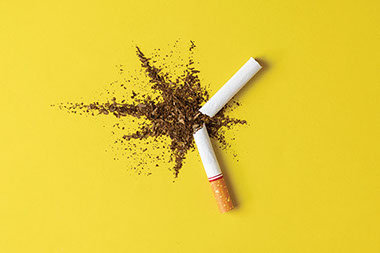
    Cigarette broken in half.

    If you’re ready to quit, here are some ways to take the first steps.

    Make a plan

    Going cold turkey is rarely successful. Instead, put together a plan that anticipates obstacles and brainstorm solutions.

    Practice quitting

    Go longer between smokes and try techniques to get through cravings. Find what works and what doesn’t.

    Talk to a healthcare professional

    They may have resources such as helpful tips, referrals, and medications. Working with a counselor increases your chance of success.

    Find a safe substitute

    Keep your mouth and hands busy with something else. Toothpicks, straws, or cinnamon sticks are safe substitutes.

    Be active

    Quitting smoking can leave you feeling jittery and irritable. Plan activities that get your body moving to release your jitters.

    Stay busy

    Plan activities or gatherings with non-smoking friends to keep you distracted in the early days of quitting.
    © American Institute for Preventive Medicine
  • Good Cheer For Holiday Dieting 2

    Weight Control

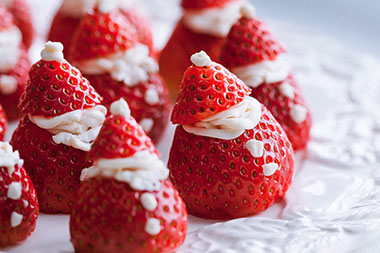
    Image of holiday inspired strawberries.

    Big holiday coming up? Don’t panic. With a good game plan and strategic planning you and your diet can not only survive holidays but you can actually thrive on them. Holidays do not have to be a time of feast or famine-you can strike a happy balance between gorging and self-sacrifice.

    *  Review your eating habits from the previous year’s celebration. Does food take center stage at Thanksgiving, Christmas, Fourth of July, and other big holidays? Do you genuinely enjoy foods like fruitcake, for example, or do you just eat them out of custom and tradition?

    *  Decide which customary holiday food habits you could easily change. (If you like to cook out for the Fourth of July, for example, consider barbecued chicken without skin instead of hot dogs.)

    *  Before digging in at a big holiday feast, imagine how you will feel after eating it. Visualize the bloated, uncomfortable, and guilty feelings you’ve experienced on past occasions.

    *  Forget about being “perfect” on holidays. Stringent dieting may be unrealistic and you could sabotage your efforts by setting standards that are too high. Don’t set yourself up for failure by only thinking of what you can’t have. Concentrate instead on what is available on your diet plan.

    *  Learn to be festive without depending on alcohol. A drink here, a toast there-the calories of alcohol can add up. Substitute club soda or mineral water for alcohol.

    *  If you’re invited to someone’s home for dinner, ask if you can contribute a dish, then make it low-calorie. (And be sure to make plenty. Low-calorie foods are usually very popular.)

    *  Remember that the major purpose of the holidays is to enjoy family and friends. Food and alcohol are secondary factors.

    Page from A Year of Health Hints book by the American Institute for Preventive Medicine. www.HealthyLife.com. All rights reserved.

    © American Institute for Preventive Medicine
  • Identify Emotions That Prompt You To Eat

    Healthylife® Weigh

    Part 6

    Top view of woman on the sofa eating a healthy salad.

    Indicate how often the following scenarios apply to you.

    *  When I’m angry or upset, I think, “I don’t care what I eat or how much I eat.”

    *  When I see something tasty, I eat it but regret it later. I find myself saying, “Why did I just do that? I didn’t really want it.”

    *  When I have a craving for something, it is very difficult for me not to satisfy it right away. I may feel frustrated until I have it.

    *  When I’m stressed, I tell myself, “I can take a break from eating healthy so I can focus on the stressful things. I will get back on track later.”

    *  When I am eating with my friends or family, I can’t seem to stick to my healthy plans.

    *  Once I start eating something I really like, I have a hard time stopping, even when I want to.

    *  I find myself saying, “Oh, what the heck, I blew it anyway. I might as well eat whatever I want.”

    © American Institute for Preventive Medicine

  • Power Of Perception

    Healthylife® Weigh

    Part 2

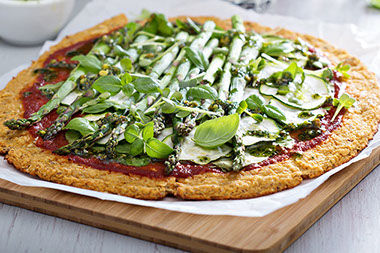
    Cauliflower pizza with spinach, zucchini and asparagus.

    Which words/phrases do you associate with vegetables?

    *  Green

    *  Filling

    *  Necessary evil

    *  Fiber

    *  Broccoli

    *  Minerals

    *  Boring

    *  Variety

    *  Hydrating

    *  Vitamins

    *  Colorful

    *  Fresh

    *  Salad

    *  Do I have to?

    *  Exciting

    *  Nourishing

    *  Canned

    *  Soggy

    *  Crisp

    *  French fries

    Having a positive attitude toward a food may help you be more willing to try it and include it in your diet.

    *  Look back at the words listed above. How do you think your current attitude toward vegetables influences your food choices?

    *  After learning about vegetables, how do you feel your attitude toward vegetables has changed?

    *  What is one new way you want to eat a vegetable this week?

    © American Institute for Preventive Medicine
  • Am I Hungry?

    HEALTHY EATING

    Image of empty dish plate.

    Learn to tell if you’re really hungry or just think you’re hungry. Before you grab something to eat, figure out if you are truly hungry or just bored. Maybe you are thirsty rather than hungry.

    Try this, says Anita Kobuszewski, RD, author of Food: Field to Fork, How to Grow Sustainably, Shop Wisely, Cook Nutritiously, and Eat Deliciously. Slow down and sit down. With your mouth closed, let your tongue rest relaxed, sinking low to the floor of your mouth. Close your eyes. Take a deep breath. Hold it for a count of 3. Exhale slowly through pursed lips. Relax. Repeat this 3 times.

    Before you open your eyes, ask your tummy if it’s hungry. If the answer is no, then move on. If the answer is yes, eat something healthy with protein, complex carbs, and a small amount of healthy fat. An example would be a glass of skim milk and a slice of whole grain toast with a dab of chunky peanut butter, or an apple with a dab of almond butter.

    The point is not to run on empty. The body needs a consistent flow of energy to keep all its systems running well.

    © American Institute for Preventive Medicine
  • Are You Addicted To Shopping?

    WELL-BEING

    Image of couple holding shopping bags.

    Whether you like to look at clothing, housewares, tools, or electronics, shopping is a favorite pastime for many people. As the holidays approach, shopping becomes even more popular. Big sales, special deals, and promotions all seek to get more people to buy, buy, buy.

    But for some people, shopping is more than just fun around the holidays. It can actually be an addiction, according to the National Institute on Alcohol Abuse and Alcoholism.

    Signs of Shopping Addiction

    Many people think addiction is only for drugs and alcohol. But many behaviors including shopping can become an addiction. Access to online shopping can make the problem worse. You can buy whatever you want from the privacy of your home and just a few mouse clicks.

    It can be difficult to know if you just like to shop, or if it’s really a problem. If three or more of these statements apply to you, you may be addicted to shopping:

    *  You frequently buy things you don’t need.

    *  You have many unopened packages of items or clothing with the tags still on.

    *  You purchase things you can’t afford by using credit cards.

    *  You hide your purchases from your spouse or family.

    *  You feel a strong need to shop when you’re sad, angry, or anxious.

    *  You have secret credit cards or open new cards when others ones are maxed out.

    *  You think obsessively about shopping and money.

    *  You buy much more than planned, and feel guilty or ashamed afterward.

    *  Your relationships with family or friends have been affected by your shopping.

    © American Institute for Preventive Medicine
  • Change Your Food Cravings To Healthy

    HEALTHY EATING

    Image of man eating dinner.

    Food cravings can be hard to ignore. Many people find they want to eat healthier, but simply can’t get over their cravings for unhealthy foods. There are ways to overcome food cravings and change them into good habits. It takes time and practice, but it’s well worth the effort. Everyone has setbacks when they are trying to change unhealthy habits. If you slip up, start again tomorrow. Don’t give up – believe you can do it!

    If you’re hoping to overcome cravings and give your body healthier foods, try these tips:

    *Accept you have cravings and want to change.Everyone craves certain foods sometimes, and this is normal. Tell yourself it’s okay to have cravings, and that you’re going to find ways to handle them better – starting today.

    *Avoid shopping while hungry.This is often when people buy those items they crave the most. Go shopping after you’ve eaten a healthy meal.

    *Avoid the temptation.Stay away from the places or things that cause you to eat unhealthy foods, like fast food restaurants or regular afternoon trips to the bakery.

    *Take it slow.Focus on one change at a time. For instance, if you always crave something sweet in the afternoon, think about one way you could change that food. You could have your favorite fruit washed and ready to eat.

    *Focus on your eating.Think about what you are eating. If you have healthy foods ready to eat, you are less likely to grab whatever is easiest, like what’s in vending machines or fast food.

    *Look for healthier substitutes.Instead of a whole chocolate bar, eat one small piece. Purchase small, individual servings of treats so you’re less tempted to eat larger portions.

    *Eat more protein.Healthy proteins like lean meats, beans and lentils, small portions of nuts and low-fat dairy foods can help control your hunger.

    *Look for ways to relieve stress.Many people crave unhealthy foods when they are stressed. Try walking, deep breathing, relaxing music or other non-food comfort tools.

    *Drink more water and get enough sleep.Both of these healthy habits can help you feel less hungry and less likely to reach for unhealthy foods.

    Source: American Academy of Family Physicians

    © American Institute for Preventive Medicine
  • Good Cheer For Holiday Dieting

    HEALTHY EATING

    Image of gift sitting on a plate.

    Big holiday coming up? Don’t panic. With a good game plan and strategic planning you and your diet can not only survive holidays but you can actually thrive on them. Holidays do not have to be a time of feast or famine-you can strike a happy balance between gorging and self-sacrifice.

    *  Review your eating habits from the previous year’s celebration. Does food take center stage during the holidays? Do you genuinely enjoy foods like fruitcake, for example, or do you just eat them out of custom and tradition?

    *  Before digging in at a big holiday feast, imagine how you will feel after eating it. Visualize the bloated, uncomfortable, and guilty feelings you’ve experienced on past occasions.

    *  Forget about being “perfect” on holidays. Stringent dieting may be unrealistic and you could sabotage your efforts by setting standards that are too high. Don’t set yourself up for failure by only thinking of what you can’t have. Concentrate instead on healthy options such as fruit baskets.

    *  Learn to be festive without depending on alcohol. A drink here, a toast there-the calories of alcohol can add up. Substitute club soda or mineral water for alcohol.

    *  If you’re invited to someone’s home for dinner, ask if you can bring a dish, then make it  low-calorie. (And be sure to make plenty. Low-calorie foods are usually very popular.)

    *  Remember that the major purpose of the holidays is to enjoy family and friends. Food and alcohol are secondary factors.

    © American Institute for Preventive Medicine

  • How Sweet It Is

    HEALTHY EATING

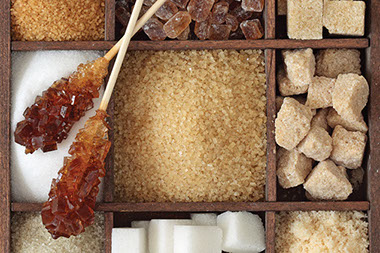
    Image of different types of sweeteners.

    Is sugar really bad for us? How about artificial or low-calorie sweeteners?

    Our bodies need one type of sugar, called glucose, to survive. “Glucose is the number one food for the brain, and it’s an extremely important source of fuel throughout the body,” said Dr. Kristina Rother, pediatrician with the National Institute on Health and expert on sweeteners.

    But there’s no need to add glucose to your diet, because your body can make the glucose it needs by breaking down food molecules like carbohydrates, proteins, and fats. Some sugars are found naturally in foods such as fruits, vegetables, and milk.

    Much of the sugar we eat isn’t found naturally in food but is added during processing or preparation.

    Although sugar itself isn’t bad, said Dr. Rother, “Sugar has a bad reputation that’s mostly deserved because we consume too much of it. It’s now in just about every food we eat.”

    You can cut down on added sugars. NIH in Health offers these suggestions:

    *  Choose water, fat-free milk, or unsweetened tea or coffee instead of sodas, sports drinks, energy drinks, and fruit drinks.

    *  Reduce sugar in recipes. If a recipe says 1 cup, use 2/3 cup.

    *  To enhance flavor, add vanilla, cinnamon, or nutmeg.

    *  Eat fresh, canned, frozen, and dried fruits without added sugar. Choose fruits canned in their own juice rather than in syrup.

    *  Use fruits to top foods like cereal and pancakes rather than sugars, syrups, or other sweet toppings.

    *  Read the ingredients list to pick food with little or no added sugar.

    © American Institute for Preventive Medicine

  • After You Quit Smoking

    WELL-BEING

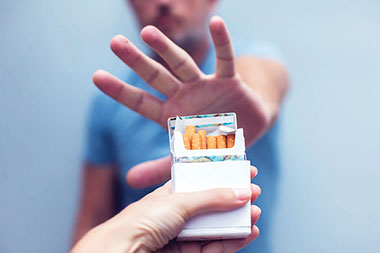
    Hand refusing cigarettes.

    No matter what your age is, or how long you’ve smoked, you can reap benefits of quitting today!

    Here’s what happens in your body after you quit:

    *  12 hours later, carbon monoxide in your blood drops to normal levels.

    *  2 weeks to 3 months later, your circulation improves and your lungs work better.

    *  1 year later, your risk of developing heart disease is slashed in half.

    You’ll also lower your risk for lung cancer when you quit. And the health benefits continue the longer you stay smoke-free. Visitsmokefree.govto start your quit journey!

    © American Institute for Preventive Medicine