Tag: damage

  • Emphysema

    Respiratory conditions

    Emphysema is a chronic lung condition. With emphysema, the air sacs in the lungs are destroyed. The lungs lose their ability to stretch. This makes it harder to get air in and out of the lungs.

    When emphysema occurs with chronic bronchitis it is called chronic obstructive pulmonary disease (COPD).

    Signs & Symptoms

    Emphysema takes years to develop. When symptoms occur, they include:

    *  Cough with mucus.

    *  Shortness of breath on exertion. This gets worse over time.

    *  Wheezing.

    *  Chest tightness.

    *  Slight body build with marked weight loss and a rounded chest that doesn’t appear to expand when breathing in.

    Symptoms of COPD are:

    *  Coughing that produces large amounts of mucus.

    *  Shortness of breath.

    *  Wheezing.

    *  Chest tightness.

    Symptoms worsen over time. COPD has no cure yet. The goals of treatment are to help you feel better, stay more active, and slow the progress of the disease. Treatment includes:

    *  Stopping smoking.

    *  Avoiding lung irritants.

    *  Taking medications that make breathing easier.

    *  Preventing and treating respiratory infections.

    Causes

    *  Smoking. This causes as much as 90% of cases. Most people with emphysema are cigarette smokers aged 50 or older.

    *  A genetic problem with a certain protein that protects the lungs from damage.

    *  Repeated lung infections.

    *  Chronic bronchitis.

    *  Heavy exposure to air pollution.

    *  Years of exposure to chemical fumes, vapors, and dusts. This is usually linked to certain jobs.

    Treatment

    *  A program, medication, and/or nicotine replacement to stop smoking.

    *  Physical therapy to loosen mucus in the lungs for chronic bronchitis.

    *  Medicines, such as bronchodilators, corticosteroids, and antibiotics.

    *  Flu and pneumonia vaccines.

    *  Surgery that removes the most severely diseased parts of the lung. A lung transplant may be needed for some persons with very severe disease.

    Emphysema can’t be reversed. By the time it is found, 50% to 70% of lung tissue may already be destroyed. Prevention is the only way to avoid permanent damage.

    Questions to Ask

    Self-Care / Prevention

    *  Don’t smoke. If you smoke, quit. Avoid secondhand smoke.

    *  Limit exposure to air pollution and lung irritants. Follow safety measures when working with materials that can irritate your lungs.

    *  Use a cool-mist vaporizer indoors.

    *  Drink plenty of fluids.

    *  Avoid dust, fumes, pollutants, etc.

    *  Do breathing exercises as advised by your doctor.

    *  Exercise daily as prescribed by your doctor or exercise therapist.

    Resources

    American Lung Association

    800.LUNG.USA (586.4872)

    www.lungusa.org

    National Cancer Institute’s Smoking Quitline

    877.44U.QUIT (448.7848)

    National Heart, Lung, and Blood Institute

    www.nhlbi.nih.gov

    Smokefree.Gov

    800.QUIT.NOW (748.8669)

    www.smokefree.gov

    Healthier at Home book by the American Institute for Preventive Medicine. www.HealthyLife.com. All rights reserved.

    © American Institute for Preventive Medicine
  • Heart Attack

    First Aid

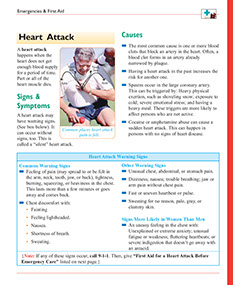
    A heart attack happens when the heart does not get enough blood supply for a period of time. Part or all of the heart muscle dies.

    Signs, Symptoms & Causes

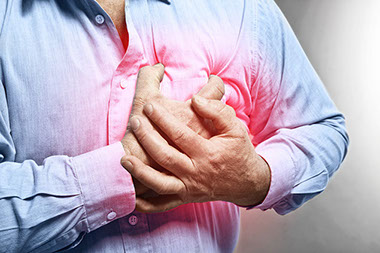
    Close up image of man holding chest in pain.

    A heart attack may have warning signs. It can occur without signs, too. This is called a “silent” heart attack.

    Causes

    *  The most common cause is one or more blood clots that block an artery in the heart. Often, a blood clot forms in an artery already narrowed by plaque.

    *  Having a heart attack in the past increases the risk for another one.

    *  Spasms occur in the large coronary artery. This can be triggered by: Heavy physical exertion, such as shoveling snow; exposure to cold; severe emotional stress; and having a heavy meal. These triggers are more likely to affect persons who are not active.

    *  Cocaine or amphetamine abuse can cause a sudden heart attack. This can happen in persons with no signs of heart disease.

    Warning Signs

    Note: If any of these signs occur, call 9-1-1.

    Common Warning Signs

    *  Feeling of pain (may spread to or be felt in the arm, neck, tooth, jaw, or back), tightness, burning, squeezing, or heaviness in the chest. This lasts more than a few minutes or goes away and comes back.

    *  Chest discomfort with:

    – Fainting

    – Feeling lightheaded.

    – Nausea.

    – Shortness of breath.

    – Sweating.

    Other Warning Signs

    *  Unusual chest, abdominal, or stomach pain.

    *  Dizziness; nausea; trouble breathing; jaw or arm pain without chest pain.

    *  Fast or uneven heartbeat or pulse.

    *  Sweating for no reason, pale, gray, or clammy skin.

    Signs More Likely in Women Than Men

    An uneasy feeling in the chest with: Unexplained or extreme anxiety; unusual fatigue or weakness; fluttering heartbeats; or severe indigestion that doesn’t go away with an antacid.

    Treatment

    A heart attack is a medical emergency! Treatment works best when it is given within 1 to 2 hours after symptoms start. Treatment includes:

    *  Medicine(s) to keep blood from clotting.

    *  “Clot busters” to dissolve blood clots in heart arteries.

    *  Tests to diagnose the status of the heart and arteries.

    *  Angioplasty, stents, or bypass surgery, if needed.

    Prevention

    *  Follow prevention measures in Heart Disease.

    *  Take medications, as prescribed.

    *  Don’t shovel snow or carry heavy objects, especially if you are not physically fit.

    *  Don’t use amphetamines and/or cocaine.

    Questions to Ask

    Self-Care / Prevention

    Call 9-1-1 or your local rescue squad right away! Call when warning signs start. Don’t wait to see if the pain goes away.

    First Aid for a Heart Attack Before Emergency Care

    *  CHECK for a response. Do CPR, as needed.

    *  If the person uses and has nitroglycerin, place one tablet under the tongue. Give as many as 3 tablets in 10 minutes.

    *  Give the person a regular (325 mg.) aspirin or 4 children’s chewable aspirins (81 mg. each) to chew on. Give the aspirin after calling 9-1-1. Ask the 9-1-1 dispatcher if aspirin should be taken.

    {Note: Don’t use aspirin if the person is allergic to it or has a condition that makes using it risky.}

    *  If you can’t call 9-1-1, drive the person to the hospital right away. If you are having heart attack signs, don’t drive yourself unless you have no other choice.

    *  Loosen clothing around the neck, chest, and waist. Don’t let the person lie down, especially if he or she has breathing problems. A half-sitting position is better. Put the legs up. Bend them at the knees. Put a pillow or rolled towel under the knees. Support the back.

    *  Reassure the person that you have called for medical help and will stay with him or her until it arrives.

    *  After a heart attack, follow the doctor’s treatment plan.

    Healthier at Home book by the American Institute for Preventive Medicine. www.HealthyLife.com. All rights reserved.

    © American Institute for Preventive Medicine
  • Like It Loud? Your Ears Don’T

    WELL-BEING

    Image of man listening to music with headphones.

    What do a lawn mower, a motorcycle, and a music player have in common? They can all cause permanent hearing loss.

    Many people assume that only extremely loud sounds, such as gunshots, can damage the ears. But any loud noise, such as power tools, headphones turned up too loud, lawn equipment, or a concert, can lead to hearing loss. This is known as noise-induced hearing loss.

    Noise-induced hearing loss often happens gradually, so you don’t realize the damage that’s being done over time. For instance, being around loud machinery every day or listening to loud music in earphones regularly can cause hearing damage that adds up. The National Institutes of Health states that 26 million Americans between the ages of 20 and 69 have hearing loss caused by excessive noise.

    The Centers for Disease Control and Prevention (CDC) says anything over 85 decibels can damage hearing. The louder it is, the faster it can cause hearing loss if used regularly and/or for long periods. Normal conversation is 60 decibels, and a hair dryer is around 90.

    Save your hearing

    The best way to prevent noise-induced hearing loss is to avoid loud noises whenever you can. But, this may not be possible if your job requires you to be around certain equipment. If you can’t avoid it, always wear proper hearing protection. This includes earplugs and/or ear muffs that have a noise reduction rating (NRR) listed.

    If you notice you have trouble hearing, talk to your doctor.

    © American Institute for Preventive Medicine

  • Too Loud

    SELF-CARE CORNER

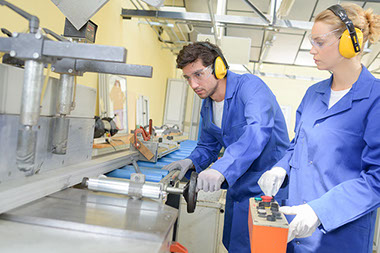
    Image of workers wearing proper safety glasses and headphones while working on machinery.

    Noise-induced hearing loss is the only type of hearing loss you can prevent. If you understand the hazards of noise and how to practice good hearing health, you can protect your hearing for life. Here’s how:

    *  Know which noises can cause damage (those at or above 85 decibels, such as a motorcycle).

    *  If you can’t reduce the noise or protect yourself from it, move away from the source.

    *  Wear earplugs or other protective devices when involved in a loud activity, even Zumba class (activity-specific earplugs and earmuffs are available at hardware and sporting goods stores).

    *  Be alert to hazardous noises in the environment.

    *  Protect the ears of children who are too young to protect their own.

    *  Have your hearing tested if you think you might have hearing loss.

    About sound

    Sound is measured in units called decibels. Sounds of less than 75 decibels, even after long exposure, are unlikely to cause hearing loss. But long or repeated exposure to sounds at or above 85 decibels can cause hearing loss. The louder the sound, the shorter the amount of time it takes for hearing loss to happen.

    © American Institute for Preventive Medicine

  • Under Pressure: What To Know About Glaucoma

    MEDICAL NEWS

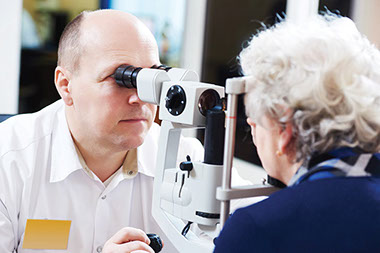
    Image of eldery women getting her eyes checked.

    Glaucoma is a leading cause of blindness for people over 60, so it’s important to know what you can do about it.

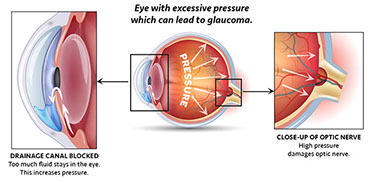
    Glaucoma happens when too much fluid builds up in the eye. This extra fluid causes pressure that damages the optic nerve. This damage cannot be undone once it happens. It can lead to loss of all or part of your vision. But, glaucoma can be managed and the damage to vision can be decreased with proper medical care.

    People at highest risk for glaucoma

    Anyone can get glaucoma. But certain groups of people may be more likely to get it, including:

    *  People with a family history of glaucoma

    *  African Americans over age 40

    *  Anyone over age 60, but Mexican Americans are especially at risk

    *  People who have high eye pressure, thin corneas or optic nerve problems

    *  People with high blood pressure that’s not well controlled

    Signs and symptoms

    Glaucoma often doesn’t have early signs and symptoms until damage has already been done. That’s why getting regular eye exams is so important. For many people, the first sign of glaucoma is loss of their peripheral (side) vision.

    Don’t assume you don’t have glaucoma because your eyes “feel fine.” Many people develop glaucoma without any symptoms.

    Illustration of eye with excessive pressure which can lead to glaucoma.

    What can you do about glaucoma?

    Glaucoma has no cure, but there are things you can do to slow it down and save your vision:

    *  If you have glaucoma, take your medicines every day. Ask your eye doctor how often you need to be seen, and stick to your appointments.

    *  Get a complete eye exam at least every 2 years or as often as recommended. This includes a dilated eye exam.

    *  Even if you don’t have glaucoma, ask your eye doctor about your risk. This includes telling your doctor about any family history of glaucoma.

    People with certain risk factors for glaucoma may be given special eye drops. These drops can lower the risk of getting glaucoma but they must be used regularly to be effective.

    If you are diagnosed with glaucoma, you and your doctor will discuss what treatment is best for you. It may depend on what type of glaucoma you have and how severe it is. Treatments may include:

    *  Eye drops that lower pressure in the eye

    *  Surgery done with a laser that helps the eye drain fluid better

    *  Traditional surgery that may include placing a new drainage tube in the eye

    Save your sight – see your eye doctor to get checked for glaucoma!

    Sources: American Academy of Ophthalmology, National Eye Institute

    © American Institute for Preventive Medicine