Tag: dental

  • When To Consider Crowns

    Dental & Mouth Concerns

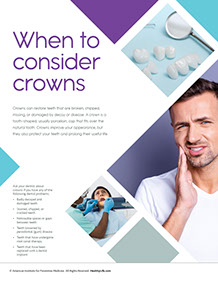
    Crowns can restore teeth that are broken, chipped, missing, or damaged by decay or disease. A crown is a tooth-shaped porcelain cap that fits over the natural tooth. Crowns improve your appearance, but they also protect your teeth and prolong their useful life.

    Ask your dentist about crowns if you have any of the following dental problems.

    *  Badly decayed and damaged teeth.

    *  Stained, chipped, or cracked teeth.

    *  Noticeable spaces or gaps between teeth.

    *  Teeth loosened by periodontal (gum) disease.

    *  Teeth that have undergone root canal therapy.

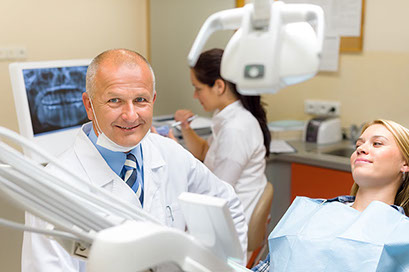
    image of dentist with patient.
    A Year of Health Hints book by the American Institute for Preventive Medicine. www.HealthyLife.com. All rights reserved.

    © American Institute for Preventive Medicine

  • 10 Dental Problems And What To Do About Them

    SELF-CARE CORNER

    Image of dentist.

    1.Bad breath:For fresh breath, brush twice a day, floss daily, drink plenty of water, see your dentist regularly, and don’t smoke. If bad breath persists, talk to your dentist or doctor.

    2.Tooth decay:When cavities are left untreated, they can get worse and lead to infections and loss of teeth. Get cavities filled quickly to prevent more extensive dental work and serious health problems.

    3.Gum disease:Without treatment, gum disease gets worse and can lead to tooth loss. Symptoms include bleeding, swollen, tender, and red gums, but it often has no signs in the early stages.

    4.Stained teeth:Some medications, foods, and drinks can yellow or discolor teeth. Many dentists offer whitening treatments that can help.

    5.Mouth sores:A salt water rinse can help with canker sores or irritation from braces or other dental appliances. But, if sores last a week or more, your dentist should take a look.

    6.Tooth sensitivity:Special toothpaste or dental procedures, such as crowns, can help relieve sensitivity to hot or cold. Look for the ADA (American Dental Association) seal of acceptance on products before buying.

    7.Enamel erosion:Acidic foods and drinks can wear away at the tooth’s protective enamel over time. This can lead to tooth sensitivity and discoloration. Drinking water and milk instead of soda can help avoid this problem.

    8.Wisdom teeth:Third molars, or wisdom teeth, often need to be removed during the teen or young adult years. If the jaw doesn’t have enough space for them, they can crowd or damage the other teeth.

    9.Oral cancer:Cancer of the mouth, lips or gums affects about 50,000 Americans every year. Symptoms may include sores, patches, lumps, or pain in the mouth. If you notice any of these signs, contact your dentist or doctor.

    10.Teeth grinding:Teeth grinding can lead to cracks and damage to the teeth enamel. A special guard made by your dentist can help protect your teeth. Beware of mouth guards sold over the counter as they can fit improperly and become a choking hazard when you sleep.

    Even if you don’t have any tooth pain or other symptoms, it’s important to see your dentist every six months. Regular checkups with your dentist can prevent or treat these problems so you can keep a healthy, bright smile for life.

    Sources: American Dental Association, Oral Health Foundation
    © American Institute for Preventive Medicine

  • Open Wide

    SELF-CARE CORNER

    Image of dentist.

    Your dentist and dental hygienist inspect your mouth for oral cancers when you show up for your regular dental cleanings. But between visits, take note of these early warning signs, and see your dental professional if they do not improve or disappear after 2 to 3 weeks:

    *  A sore, or soreness or irritation that doesn’t go away

    *  Red or white patches, or pain, tenderness, or numbness in your mouth or lips

    *  Lumps, thickening tissues, rough spots, crusty or eroded areas

    *  Difficulty chewing, swallowing, or moving your jaw or tongue

    *  A change in the way your teeth fit together when you close your mouth

    Always call your dental professional right away if you have any immediate concerns. Those at high risk of developing oral cancer have traditionally been heavy alcohol drinkers and smokers over age 50. But today, cancer is occurring in younger, nonsmokers. The sexually transmitted HPV is related to some cancers in younger people.

    © American Institute for Preventive Medicine

  • Brace Yourself For Adult Orthodontics

    Dental & Mouth Concerns

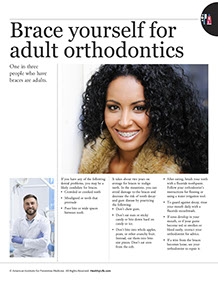
    Image of adult women with braces.

    Each year, over four million people-many of them adults-are fitted for braces.  If you have any of the following dental problems, you may be a likely candidate for braces.

    *  Crowded or crooked teeth.

    *  Buckteeth, misaligned teeth, or lower teeth that protrude.

    *  Poor bite or wide spaces between teeth.

    It takes about two years for braces to realign teeth. In the meantime, you can avoid damage to the braces and decrease the risk of tooth decay and gum disease by practicing the following:

    *  Don’t chew gum.

    *  Don’t eat nuts or sticky candy or bite down hard on candy or ice.

    *  Don’t bite into whole apples, pears, or other crunchy fruit. Instead, cut them into bite-size pieces. Don’t eat corn from the cob.

    *  After eating, brush your teeth with a fluoride toothpaste. Some orthodontists also recommend cleaning your teeth with a water irrigation appliance after you brush.

    *  To guard against decay, rinse your mouth daily with a fluoride mouthwash.

    *  If sores develop in your mouth, or if your gums become red or swollen or bleed easily, contact your orthodontist for advice.

    *  If a wire from the braces becomes loose, don’t try to repair it yourself. See your orthodontist.

    A Year of Health Hints book by the American Institute for Preventive Medicine. www.HealthyLife.com. All rights reserved.

    © American Institute for Preventive Medicine

  • All About Brushing And Flossing

    Dental & Mouth Concerns

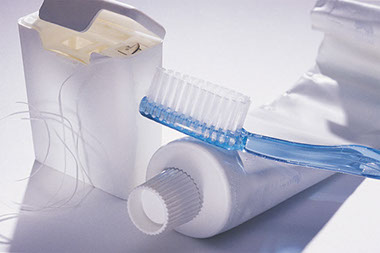
    Image of toothbrush and toothpaste with floss.

    Whiter teeth, fresher breath, fewer cavities. Who could ask for more from toothpaste? Some dental products make additional claims. Here’s a short guide to ingredients and product claims to help you decide which toothpaste is best for your teeth. (Note: Choose products with the American Dental Association (ADA) Seal of Acceptance on the labels. For more information on the ADA Seal of Acceptance and brand name products that have this seal, accesswww.ada.org.)

    Fluoride. To help prevent cavities, children and adults should use a toothpaste that contains fluoride. (Note: Many dentists prescribe fluoride supplements for people whose household drinking water contains little or no fluoride. If your drinking water is low in fluoride, you might want to ask your dentist about this option.)

    Desensitizing toothpaste. Some toothpastes are specially formulated for people whose teeth are sensitive to touch or temperature changes.

    Anti-plaque and tartar control toothpastes. Plaque is a sticky, bacteria-laden goo that clings to the surface of your teeth. Unless plaque is removed every 24 to 36 hours, it can turn into a cement-like substance called tartar. And tartar destroys your gums. Plaque- and tartar-control formula toothpastes, used along with flossing and regular dental visits, can help to prevent plaque buildup. Mouthwash can help, too.

    Whitening toothpastes. These remove stains on the surface of the teeth with gentle polishing, chemical agents, or other nonbleaching action. (Note: Consult your dentist before using over-the-counter peroxide-containing whiteners or bleaching agents.)

    Don’t Forget to Floss

    Waxed. Unwaxed. Fine. Regular. Plain or fancy, all dental floss does the job: It removes bacteria and plaque from between your teeth and above and below the gum line areas your toothbrush can’t reach. It also removes particles of food lodged between your teeth. Floss carefully at least once a day to help keep plaque from building up. (If plaque hardens into cement-like deposits called tartar, your teeth can start to decay or wobble due to loss of bone.)

    Here’s how to floss.

    1.  Cut a piece of floss about one-and-a-half feet long. Wrap the ends of the floss about your middle fingers.

    2.  Hold the floss tightly between your thumb and index finger, exposing about one inch of floss. Gently guide the floss between your teeth, being careful not to snap it into the gums.

    3.  With the floss at the gum line, curve it into a C shape against one tooth and gently scrape the side of the tooth with the floss. Repeat on each of your teeth, top and bottom, using a fresh section of floss for each tooth.

    4.  After you’ve flossed, rinse your mouth with water or mouthwash to remove remaining debris. Your gums may be tender and bleed for the first week. That’s normal. But if the bleeding continues, see your dentist.

    Here are some additional hints.

    *  If you find flossing awkward and messy, try using a dental floss holder sold in drugstores. Instead of wrapping the floss around your fingers, you insert the floss in a small, plastic fork-like holder.

    *  To help you remember to floss daily, without fail, floss after you brush your teeth.

    A Year of Health Hints book by the American Institute for Preventive Medicine. www.HealthyLife.com. All rights reserved.

    © American Institute for Preventive Medicine

  • Bonding For A Beautiful Smile

    Dental & Mouth Concerns

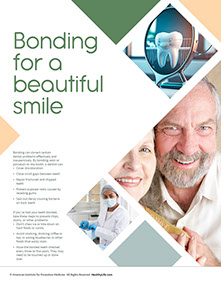
    Bonding can correct certain dental problems effectively and inexpensively. By bonding plastic or porcelain to the tooth, a dentist can:

    *  Cover discoloration.

    *  Close small gaps between teeth.

    *  Repair fractured and chipped teeth.

    *  Protect exposed roots caused by receding gums.

    *  Seal out decay-causing bacteria on back teeth.

    If you’ve had your teeth bonded, take these steps to prevent chips, stains, or other problems.

    *  Don’t chew ice or bite down on hard foods or candy.

    *  Avoid smoking, drinking coffee or tea, or eating blueberries or other foods that easily stain.

    *  Have the bonded teeth checked every three to five years. They may need to be touched up or done over.

    Image of women smiling.
    A Year of Health Hints book by the American Institute for Preventive Medicine. www.HealthyLife.com. All rights reserved.

    © American Institute for Preventive Medicine

  • Ways To Relieve Dental Anxiety

    Dental & Mouth Concerns

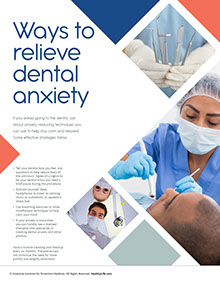
    Image of smiling dentist.

    If you dread going to the dentist, ask about anxiety-reducing techniques you can use to help stay calm and relaxed. Some effective strategies follow.

    *  Tell your dentist how you feel. Some dentists are trained in helping anxious patients overcome fear of dental procedures.

    *  Ask if you can listen to soothing music or relaxation CDs played on a stereo headset. Ask if the dentist offers a hand-held device that allows you to press a button to stop the dentist’s drill.

    *  If your dentist is skilled at hypnosis, consider being hypnotized.

    *  If your anxiety is more than you can handle, see a psychotherapist who specializes in treating dental anxiety and other phobias.

    Have a routine cleaning and checkup every six months. Preventive care will minimize the need for more painful and lengthy treatment.

    A Year of Health Hints book by the American Institute for Preventive Medicine. www.HealthyLife.com. All rights reserved.

    © American Institute for Preventive Medicine

  • Dental Hygiene

    Dental & Mouth Concerns

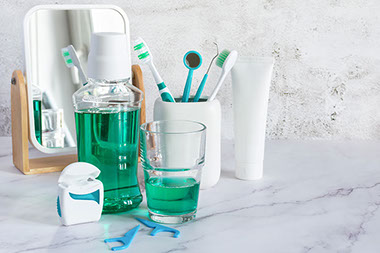
    Dental hygiene products, tooth brush, tooth paste, mouth wash, etc.

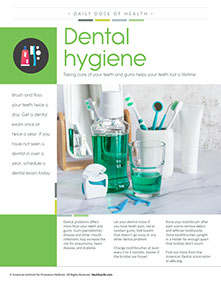
    Taking care of your teeth and gums helps your teeth last a lifetime.

    Brush and floss your teeth twice a day. Get a dental exam once or twice a year. If you have not seen a dentist in over a year, schedule a dental exam today.

    Dental problems affect more than your teeth and gums. Gum (periodontal) disease and other mouth infections may increase the risk for pneumonia, heart disease, and diabetes.

    Let your dentist know if you have tooth pain, red or swollen gums, bad breath that doesn’t go away or any other dental problem.

    Change toothbrushes at least every 3 to 4 months; sooner if the bristles are frayed.

    Rinse your toothbrush after each use to remove debris and leftover toothpaste. Store toothbrushes upright in a holder far enough apart that bristles don’t touch.

    Find out more from the American Dental Association atada.org.

    Health at Home Lifetime book by the American Institute for Preventive Medicine. www.HealthyLife.com. All rights reserved.

    © American Institute for Preventive Medicine

  • Foods That Fight Cavities

    Dental & Mouth Concerns

    Image of a dish with food fighting items to fight cavities.

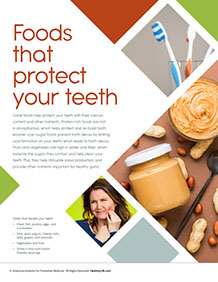
    Now you know how sticky sweets promote tooth decay. What you may not realize is that some foods prevent tooth decay. Research studies show that certain foods, like cheese and peanut butter, counteract the acids in the mouth that wear down the tooth enamel. (Be careful to buy plain, all-natural peanut butter, without added sugar of any kind.) Other tooth-saving foods include:

    *  Nuts and seeds.

    *  Meat, fish, poultry, and eggs.

    *  Olives and dill pickles.

    *  Milk, plain yogurt, and cheese.

    A Year of Health Hints book by the American Institute for Preventive Medicine. www.HealthyLife.com. All rights reserved.

    © American Institute for Preventive Medicine

  • The Right Way To Use Mouthwash

    Dental & Mouth Concerns

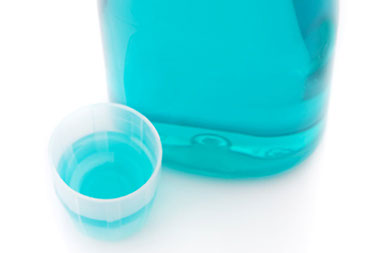
    Image of blue mouthwash.

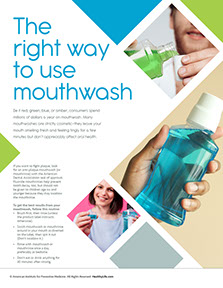
    Be it red, green, blue, or amber, consumers spend millions of dollars a year on mouthwash. Many mouthwashes are strictly cosmetic-they leave your mouth smelling fresh and feeling tingly for a few minutes but don’t appreciably affect oral health. If you want to fight plaque, look for mouthwash containing cetylpridinium chloride or domiphen bromide, ingredients that dissolve this troublesome film of bacterial goo. If you want to fight cavities (especially cavities that form between teeth, where your toothbrush can’t reach), look for an anti-plaque, anti-gingivitis mouthrinse. Fluoride mouthrinses help prevent tooth decay, too, but should not be given to children age six and younger because they may swallow the mouthrinse.

    To get the best results from your mouthwash, follow this routine.

    *  Brush first, then rinse (unless the product label instructs otherwise).

    *  Swish mouthwash or mouthrinse around in your mouth as directed on the label, then spit it out. (Don’t swallow it.)

    *  Rinse with mouthwash or mouthrinse once a day, preferably at bedtime.

    *  Don’t eat or drink anything for 30 minutes after rinsing.

    A Year of Health Hints book by the American Institute for Preventive Medicine. www.HealthyLife.com. All rights reserved.

    © American Institute for Preventive Medicine