Tag: Dental & Mouth

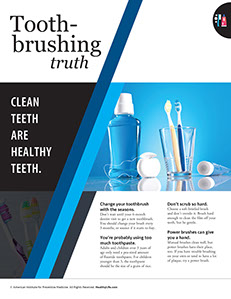
  • Tooth-Brushing Truth

    WELL-BEING

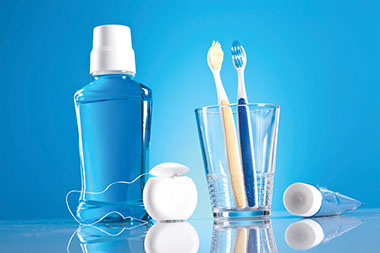
    Toothburshs, toothpaste, floss and mouthwash.

    Clean teeth are healthy teeth.

    Change your toothbrush with the seasons.

    Don’t wait until your 6-month dentist visit to get a new toothbrush. You should change your brush every 3 months, or sooner if it starts to fray.

    You’re probably using too much toothpaste.

    Adults and children over 3 years of age only need a pea-sized amount of fluoride toothpaste. For children younger than 3, the toothpaste should be the size of a grain of rice.

    Don’t scrub so hard.

    Choose a soft-bristled brush and don’t overdo it. Brush hard enough to clean the film off your teeth, but be gentle.

    Power brushes can give you a hand.

    Manual brushes clean well, but power brushes have their place, too. If you have trouble brushing on your own or tend to have a lot of plaque, try a power brush.

    © American Institute for Preventive Medicine

  • Fractured Jaw

    Dental & Mouth Concerns

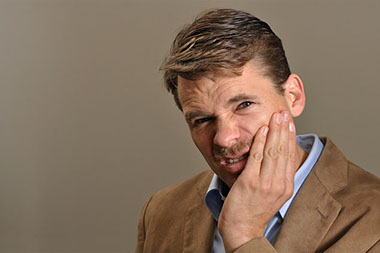
    Image of man holding jaw in pain.

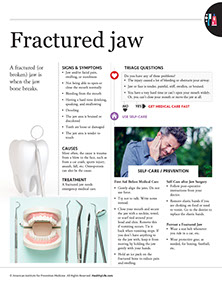
    A fractured (or broken) jaw is when the jaw bone breaks.

    Signs & Symptoms

    *  Jaw and/or facial pain, swelling, or numbness.

    *  Not being able to open or close the mouth normally.

    *  Bleeding from the mouth.

    *  Having a hard time drinking, speaking, and swallowing.

    *  Drooling.

    *  The jaw area is bruised or discolored.

    *  Teeth are loose or damaged.

    *  The jaw area is tender to touch.

    Causes

    Most often, the cause is trauma from a blow to the face, such as from a car accident, sports injury, assault, etc. Osteoporosis can also be the cause.

    Treatment

    A fractured jaw needs emergency medical care.

    Questions to Ask

    Self-Care / Prevention

    First Aid Before Medical Care

    *  Gently align the jaws. Do not use force.

    *  Try not to talk. Write notes instead.

    *  Close your mouth and secure the jaw with a necktie, towel, or scarf tied around your head and chin. Remove this if vomiting occurs. Tie it back when vomiting stops. If you don’t have anything to tie the jaw with, keep it from moving by holding the jaw gently with your hands.

    *  Hold an ice pack on the fractured bone to reduce pain and swelling.

    Self-Care after Jaw Surgery

    *  Follow post-operative instructions from your doctor.

    *  Remove elastic bands if you are choking on food or need to vomit. Go to the dentist to replace the elastic bands.

    To Help Prevent a Fractured Jaw

    *  Wear a seat belt whenever you ride in a car, etc.

    *  Wear protective gear, as needed, for boxing, football, etc.

    Healthier at Home book by the American Institute for Preventive Medicine. www.HealthyLife.com. All rights reserved.

    © American Institute for Preventive Medicine

  • Teeth Grinding: Causes And Solutions

    SELF-CARE CORNER

    Image of dentist with a patient.

    Teeth grinding is a movement disorder of the jaw in which there is gnashing, grinding, or clenching of the teeth. It’s called bruxism. Often, people are unaware of their habit.

    The two primary types of teeth grinding are sleep bruxism, which occurs during sleep, and awake bruxism, which occurs when the person is awake.

    There is not a single contributing factor that results in teeth grinding or bruxism, rather it is believed to be the result of complex interactions between many factors, including stress, tension and anxiety; levels of certain chemicals in the brain; other sleep disorders such as snoring or sleep apnea; or a response to pain from earaches or teething (in children).

    “Teeth grinding is most often diagnosed by a combination of information derived from a history reported by the patient and a clinical exam performed by the patient’s dentist,” according to Dr. Erica Harvey, a representative of the Pennsylvania Dental Association.

    While some people noticeably grind their teeth, 80% make no sound, which makes bruxism even harder to discover. Common symptoms include reports of grinding noises during sleep by family members, tooth hypersensitivity, fractured, chipped or worn teeth, and waking up with a constant, dull headache or sore jaws.

    Regular dental checkups can help detect bruxism, and your dentist may recommend these methods to help stop or relieve the symptoms:

    *  Find ways to reduce your stress level and relax.

    *  Avoid or limit the amount of caffeine and alcohol you consume.

    Ask your dentist about the use of a nightguard to prevent further wear of your teeth.

    © American Institute for Preventive Medicine

  • Gum (Periodontal) Disease

    Dental & Mouth Concerns

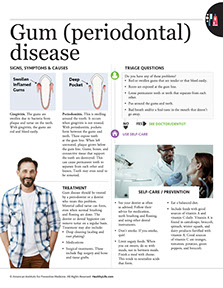
    Image of women sitting in dental chair shaking hands with the dentist.

    Signs, Symptoms & Causes

    Gum (periodontal) diseases include:

    Gingivitis. The gums are swollen due to bacteria from plaque and tartar on the teeth. With gingivitis, the gums are red and bleed easily.

    Periodontitis. This is swelling around the tooth. It occurs when gingivitis is not treated. With periodontitis, pockets form between the gums and teeth. These expose teeth at the gum line. When left untreated, plaque grows below the gum line. Gums, bones, and connective tissue that support the teeth are destroyed. This can cause permanent teeth to separate from each other and loosen. Teeth may even need to be removed.

    Treatment

    Gum disease should be treated by a periodontist or a dentist who treats this problem. Material called tartar can form, even when normal brushing and flossing are done. The dentist or dental hygienist can remove tartar on a regular basis. Treatment may also include:

    *  Deep cleaning (scaling and root planing).

    *  Medications.

    *  Surgical treatments. These include flap surgery and bone and tissue grafts.

    Questions to Ask

    Self-Care / Prevention

    *  See your dentist as often as advised. Follow his or her advice for medication, teeth brushing and flossing and using other dental instruments.

    *  Don’t smoke. If you smoke, quit.

    *  Eat a balanced diet.

    *  Limit sugary foods. When you eat sweets, do so with meals, not in between meals. Finish a meal with cheese. This tends to neutralize acids that form.

    *  Include foods with good sources of vitamin A and vitamin C daily. Vitamin A is found in cantaloupe, broccoli, spinach, winter squash, and dairy products fortified with vitamin A. Good sources of vitamin C are oranges, tomatoes, potatoes, green peppers, and broccoli.

    Healthier at Home book by the American Institute for Preventive Medicine. www.HealthyLife.com. All rights reserved.

    © American Institute for Preventive Medicine

  • When To Brush Your Teeth

    SELF-CARE CORNER

    Image of soda in a glass.

    Consuming acidic foods and beverages, such as sports and energy drinks, citrus fruits, wine, and tomatoes, can erode tooth enamel-the glossy outer layer of the tooth. Brushing your teeth too soon after eating and drinking these items can cause more damage because you are essentially brushing the acid into the teeth, not getting rid of it, say experts at the Academy of General Dentistry. Instead, you should rinse your mouth with water after consuming acidic foods and beverages and wait at least 30 minutes before brushing your pearly whites!

    © American Institute for Preventive Medicine

  • Regular Dental Care

    Dental & Mouth Concerns

    Image of father brushing toddler's teeth.

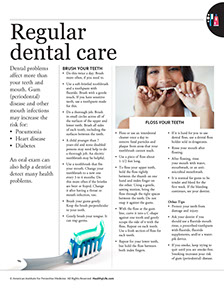
    Dental problems affect more than your teeth and mouth. Gum (periodontal) disease and other mouth infections may increase the risk for:

    *  Pneumonia.

    *  Heart disease.

    *  Diabetes.

    Also, an oral exam can help a dentist detect many health problems. These include diabetes, eating disorders, heart disease, osteoporosis, and a lack of vitamins.

    Brush Your Teeth

    *  Do this twice a day. Brush more often, if you need to.

    *  Use a soft-bristled toothbrush and a toothpaste with fluoride. Brush with a gentle touch. If you have sensitive teeth, use a toothpaste made for this.

    *  Do a thorough job. Brush in small circles across all of the surfaces of the upper and lower teeth. Brush the outer, inner, and chewing surfaces. Brush the surfaces between the teeth.

    *  A child younger than 7 years old and some handicapped persons may need help to do a thorough job. A mechanical tooth brush may be helpful.

    *  Use a toothbrush that fits your mouth. Change your toothbrush to a new one every 3 to 4 months. Do this more often if the bristles are bent or frayed. Change it after having a throat or mouth infection, too.

    *  Brush your gums gently. Keep the brush perpendicular to your teeth.

    *  Gently brush your tongue. It can trap germs.

    Floss Your Teeth

    *  Floss or use an interdental cleaner once a day to remove food particles and plaque from areas that your toothbrush cannot reach.

    *  Use a piece of floss about 1-1/2 feet long.

    *  To floss your upper teeth, hold the floss tightly between the thumb on one hand and index finger on the other. Using a gentle, sawing motion, bring the floss through the tight spaces between the teeth. Do not snap it against the gums.

    *  With the floss at the gum line, curve it into a C-shape against one tooth and gently scrape the side of it with the floss. Repeat on each tooth. Use a fresh section of floss for each tooth.

    *  Repeat for your lower teeth, but hold the floss between both index fingers.

    *  Rinse your mouth after flossing.

    *  If it is hard for you to use dental floss, use a dental floss holder sold in drugstores.

    *  After flossing, rinse your mouth with water, mouthwash, or an anti-microbial mouthrinse.

    It is normal for gums to be tender and bleed for the first week. If the bleeding continues, see your dentist.

    More Tips

    *  Protect your teeth from damage and injury.

    *  Ask your dentist if you should use a fluoride mouth rinse, a prescribed toothpaste with fluoride, fluoride supplements, and/or a water-pik device.

    *  Don’t lay a baby down with a bottle left in the baby’s mouth if the bottle contains juice, milk, soda, etc. Water is okay, though.

    Get Regular Dental Checkups

    See your dentist every 6 months, at least every year, or as often as your dentist advises. Regular dental checkups are important to:

    *  Clean your teeth and remove plaque and tarter that buildup even after you brush and floss every day. Removing plaque and tartar helps prevent cavities, gum disease, and other problems.

    *  Check for cavities, gum disease, oral cancers, tooth grinding, bite problems, and other problems. When these are detected early, they are easier to treat.

    *  Address any areas of concern.

    *  Find out how to take care of your teeth and what dental care products you should use.

    Also, an oral exam can help a dentist detect other health problems, such as diabetes, heart disease, eating disorders, and osteoporosis.

    Diet & Dental Health Tips

    *  If your local water supply has fluoride, drink 6 to 10 cups of tap water every day. If not, make sure to use a fluoride toothpaste.

    *  Eat a well balanced diet. Limit between-meal snacks.

    *  Eat sticky, chewy, sugary foods with (not between) meals. Finish a meal with foods that help buffer acid formation. Examples are cheese, meat, fish, nuts, and dill pickles.

    *  Avoid sugar-sweetened gum and beverages. Chew a sugar-free gum instead, especially one with the artificial sweetener xylitol.

    *  Don’t eat sweets, fruit, or starchy foods just before bedtime. Your mouth makes less saliva during the night. This allows cavity-causing bacteria to feed on food particles. Brushing your teeth doesn’t effectively prevent this.
    Healthier at Home book by the American Institute for Preventive Medicine. www.HealthyLife.com. All rights reserved.

    © American Institute for Preventive Medicine

  • Why You Should Floss

    WELL-BEING

    Image of floss.

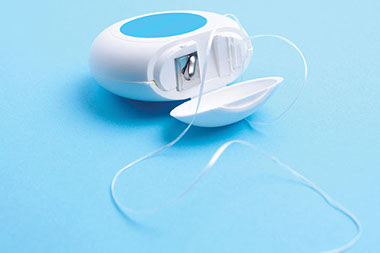
    According to a survey by the American Dental Association, only 4 in 10 Americans floss at least once a day. And, 20 percent of Americans don’t do it at all.

    Most dentists agree that everyone should floss daily. There are places between teeth that a brush simply can’t reach. If you’re wondering if it’s worth spending the small amount of time each day, consider these benefits of flossing:

    *Less scraping at the dentist.At your next checkup, the hygienist may spend less time removing tartar between your teeth and at the gum line. Flossing removes it from these hard-to-reach areas before it hardens on your teeth.

    *A lower risk of gum disease and cavities.By removing plaque between your teeth, you remove bacteria that can lead to tooth decay and gum disease.

    *Fresher breath.Small particles of food between the teeth, even if you can’t see them, can make breath smell unpleasant.

    The American Dental Association says you can floss any time of day. Pick the time when you’re more likely to stick with it, whether it’s morning, after lunch or before bed.

    © American Institute for Preventive Medicine

  • The Right Way To Use Mouthwash

    Dental & Mouth Concerns

    Image of blue mouthwash.

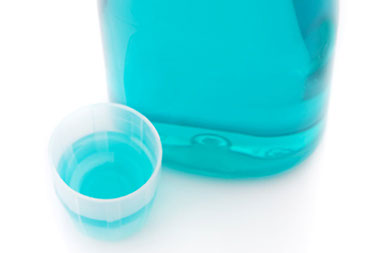
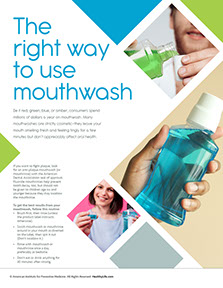
    Be it red, green, blue, or amber, consumers spend millions of dollars a year on mouthwash. Many mouthwashes are strictly cosmetic-they leave your mouth smelling fresh and feeling tingly for a few minutes but don’t appreciably affect oral health. If you want to fight plaque, look for mouthwash containing cetylpridinium chloride or domiphen bromide, ingredients that dissolve this troublesome film of bacterial goo. If you want to fight cavities (especially cavities that form between teeth, where your toothbrush can’t reach), look for an anti-plaque, anti-gingivitis mouthrinse. Fluoride mouthrinses help prevent tooth decay, too, but should not be given to children age six and younger because they may swallow the mouthrinse.

    To get the best results from your mouthwash, follow this routine.

    *  Brush first, then rinse (unless the product label instructs otherwise).

    *  Swish mouthwash or mouthrinse around in your mouth as directed on the label, then spit it out. (Don’t swallow it.)

    *  Rinse with mouthwash or mouthrinse once a day, preferably at bedtime.

    *  Don’t eat or drink anything for 30 minutes after rinsing.

    A Year of Health Hints book by the American Institute for Preventive Medicine. www.HealthyLife.com. All rights reserved.

    © American Institute for Preventive Medicine

  • Safety Tips For Your Teeth

    Dental & Mouth Concerns

    Your teeth are vulnerable to nicks, chips, stains, and strains. To protect your teeth from damage and injury, take these precautions.

    *  Don’t chew ice, pens, or pencils.

    *  Don’t use your teeth to open paper clips or otherwise function as tools.

    *  If you smoke a pipe, don’t bite down on the stem.

    *  If you grind your teeth at night, ask your dentist if you should be fitted for a bite plate to prevent tooth grinding.

    *  If you play contact sports like football or hockey, wear a protective mouth guard.

    *  Always wear a seat belt when riding in a car.

    *  Avoid sucking on lemons or chewing aspirin or vitamin C tablets. The acid wears away tooth enamel.

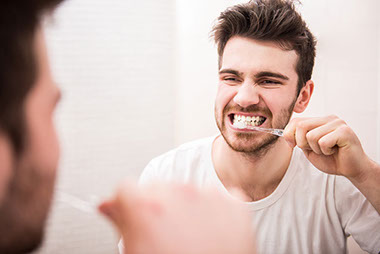
    Image of man brushing teeth.
    A Year of Health Hints book by the American Institute for Preventive Medicine. www.HealthyLife.com. All rights reserved.

    © American Institute for Preventive Medicine

  • Brace Yourself For Adult Orthodontics

    Dental & Mouth Concerns

    Image of adult women with braces.

    Each year, over four million people-many of them adults-are fitted for braces.  If you have any of the following dental problems, you may be a likely candidate for braces.

    *  Crowded or crooked teeth.

    *  Buckteeth, misaligned teeth, or lower teeth that protrude.

    *  Poor bite or wide spaces between teeth.

    It takes about two years for braces to realign teeth. In the meantime, you can avoid damage to the braces and decrease the risk of tooth decay and gum disease by practicing the following:

    *  Don’t chew gum.

    *  Don’t eat nuts or sticky candy or bite down hard on candy or ice.

    *  Don’t bite into whole apples, pears, or other crunchy fruit. Instead, cut them into bite-size pieces. Don’t eat corn from the cob.

    *  After eating, brush your teeth with a fluoride toothpaste. Some orthodontists also recommend cleaning your teeth with a water irrigation appliance after you brush.

    *  To guard against decay, rinse your mouth daily with a fluoride mouthwash.

    *  If sores develop in your mouth, or if your gums become red or swollen or bleed easily, contact your orthodontist for advice.

    *  If a wire from the braces becomes loose, don’t try to repair it yourself. See your orthodontist.

    A Year of Health Hints book by the American Institute for Preventive Medicine. www.HealthyLife.com. All rights reserved.

    © American Institute for Preventive Medicine