Tag: dentist

  • Regular Dental Care

    Dental & Mouth Concerns

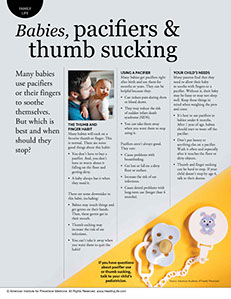
    Image of father brushing toddler's teeth.

    Dental problems affect more than your teeth and mouth. Gum (periodontal) disease and other mouth infections may increase the risk for:

    *  Pneumonia.

    *  Heart disease.

    *  Diabetes.

    Also, an oral exam can help a dentist detect many health problems. These include diabetes, eating disorders, heart disease, osteoporosis, and a lack of vitamins.

    Brush Your Teeth

    *  Do this twice a day. Brush more often, if you need to.

    *  Use a soft-bristled toothbrush and a toothpaste with fluoride. Brush with a gentle touch. If you have sensitive teeth, use a toothpaste made for this.

    *  Do a thorough job. Brush in small circles across all of the surfaces of the upper and lower teeth. Brush the outer, inner, and chewing surfaces. Brush the surfaces between the teeth.

    *  A child younger than 7 years old and some handicapped persons may need help to do a thorough job. A mechanical tooth brush may be helpful.

    *  Use a toothbrush that fits your mouth. Change your toothbrush to a new one every 3 to 4 months. Do this more often if the bristles are bent or frayed. Change it after having a throat or mouth infection, too.

    *  Brush your gums gently. Keep the brush perpendicular to your teeth.

    *  Gently brush your tongue. It can trap germs.

    Floss Your Teeth

    *  Floss or use an interdental cleaner once a day to remove food particles and plaque from areas that your toothbrush cannot reach.

    *  Use a piece of floss about 1-1/2 feet long.

    *  To floss your upper teeth, hold the floss tightly between the thumb on one hand and index finger on the other. Using a gentle, sawing motion, bring the floss through the tight spaces between the teeth. Do not snap it against the gums.

    *  With the floss at the gum line, curve it into a C-shape against one tooth and gently scrape the side of it with the floss. Repeat on each tooth. Use a fresh section of floss for each tooth.

    *  Repeat for your lower teeth, but hold the floss between both index fingers.

    *  Rinse your mouth after flossing.

    *  If it is hard for you to use dental floss, use a dental floss holder sold in drugstores.

    *  After flossing, rinse your mouth with water, mouthwash, or an anti-microbial mouthrinse.

    It is normal for gums to be tender and bleed for the first week. If the bleeding continues, see your dentist.

    More Tips

    *  Protect your teeth from damage and injury.

    *  Ask your dentist if you should use a fluoride mouth rinse, a prescribed toothpaste with fluoride, fluoride supplements, and/or a water-pik device.

    *  Don’t lay a baby down with a bottle left in the baby’s mouth if the bottle contains juice, milk, soda, etc. Water is okay, though.

    Get Regular Dental Checkups

    See your dentist every 6 months, at least every year, or as often as your dentist advises. Regular dental checkups are important to:

    *  Clean your teeth and remove plaque and tarter that buildup even after you brush and floss every day. Removing plaque and tartar helps prevent cavities, gum disease, and other problems.

    *  Check for cavities, gum disease, oral cancers, tooth grinding, bite problems, and other problems. When these are detected early, they are easier to treat.

    *  Address any areas of concern.

    *  Find out how to take care of your teeth and what dental care products you should use.

    Also, an oral exam can help a dentist detect other health problems, such as diabetes, heart disease, eating disorders, and osteoporosis.

    Diet & Dental Health Tips

    *  If your local water supply has fluoride, drink 6 to 10 cups of tap water every day. If not, make sure to use a fluoride toothpaste.

    *  Eat a well balanced diet. Limit between-meal snacks.

    *  Eat sticky, chewy, sugary foods with (not between) meals. Finish a meal with foods that help buffer acid formation. Examples are cheese, meat, fish, nuts, and dill pickles.

    *  Avoid sugar-sweetened gum and beverages. Chew a sugar-free gum instead, especially one with the artificial sweetener xylitol.

    *  Don’t eat sweets, fruit, or starchy foods just before bedtime. Your mouth makes less saliva during the night. This allows cavity-causing bacteria to feed on food particles. Brushing your teeth doesn’t effectively prevent this.
    Healthier at Home book by the American Institute for Preventive Medicine. www.HealthyLife.com. All rights reserved.

    © American Institute for Preventive Medicine
  • Toothaches

    Dental & Mouth Concerns

    Signs & Symptoms

    *  Pain in or around a tooth that throbs or occurs with a fever and/or general ill feeling. Tooth pain occurs after you eat or drink or have something hot, cold, or sweet.

    *  Gums are red, swollen, and/or bleed.

    *  Earache and/or swollen glands on one side of the face or neck.

    Causes

    *  A food particle, such as a popcorn hull, gets stuck between the gum and a tooth.

    *  Tooth grinding (bruxism). This can wear down teeth and cause cracks in them.

    *  A cavity or infection is beneath or around the gum of a tooth.

    *  Tooth abscess. This is swelling and/or infection in the bone and/or the tooth’s canals.

    *  Gum (periodontal) disease.

    *  Impacted teeth. Teeth may not fully erupt or can grow at odd angles.

    *  Temporary pain from recent dental work.

    *  TMJ.

    *  An injury to a tooth.

    *  A symptom of a sinus infection.

    *  A symptom of angina and a heart attack.

    Treatment

    Emergency care is needed for a heart attack. A dentist or doctor can diagnose and prescribe proper treatment for other problems.

    Questions to Ask

    Self-Care / Prevention

    To Treat Tooth Pain Until You See the Dentist

    *  Gargle with warm salt water every hour. Hold an ice pack on the jaw. Don’t drink hot or cold liquids. Avoid sweets, soft drinks, and hot or spicy foods. It may be best not to eat at all until you see your dentist.

    *  Gently floss around the tooth to remove food particles that could be between the teeth.

    *  Take an over-the-counter pain reliever. Don’t place a crushed aspirin on the tooth, though. Aspirin burns the gums and destroys tooth enamel.

    *  For a cavity, pack it with a piece of sterile cotton soaked in oil of cloves. You can get this at a drug store.

    Healthier at Home book by the American Institute for Preventive Medicine. www.HealthyLife.com. All rights reserved.

    © American Institute for Preventive Medicine

  • Babies, Pacifiers & Thumb Sucking

    FAMILY LIFE

    Baby sucking his thumb as father holds him.

    Many babies use pacifiers or their fingers to soothe themselves. But which is best and when should they stop?

    The thumb and finger habit

    Many babies will suck on a favorite thumb or finger. This is normal. There are some good things about this habit:

    *  You don’t have to buy a pacifier. And, you don’t have to worry about it falling on the floor and getting dirty.

    *  A baby always has it when they need it.

    There are some downsides to this habit, including:

    *  Babies may touch things and get germs on their hands. Then, these germs get in their mouth.

    *  Thumb sucking may increase the risk of ear infections.

    *  You can’t take it away when you want them to quit the habit!

    Using a pacifier

    Many babies get pacifiers right after birth and use them for months or years. They can be helpful because they:

    *  Can reduce pain during shots or blood draws.

    *  They may reduce the risk of sudden infant death syndrome (SIDS).

    *  You can take them away when you want them to stop using it.

    Pacifiers aren’t always good. They can:

    *  Cause problems with breastfeeding.

    *  Get lost or fall on a dirty floor or surface.

    *  Increase the risk of ear infections.

    *  Cause dental problems with long-term use (longer than 6 months).

    Your child’s needs

    Many parents find that they need to allow their baby to soothe with fingers or a pacifier. Without it, their baby may be fussy or may not sleep well. Keep these things in mind when weighing the pros and cons:

    *  It’s best to use pacifiers in babies under 6 months. After 1 year of age, babies should start to wean off the pacifier.

    *  Don’t put honey or anything else on a pacifier. Wash it often and especially after it touches the floor or dirty objects.

    *  Thumb and finger sucking can be hard to stop. If your child doesn’t stop by age 4, talk to their doctor.

    If you have questions about pacifier use or thumb sucking, talk to your child’s pediatrician.

    Source: American Academy of Family Physicians

    © American Institute for Preventive Medicine