Tag: diagnosis

  • Sleep Apnea

    Sleep Well

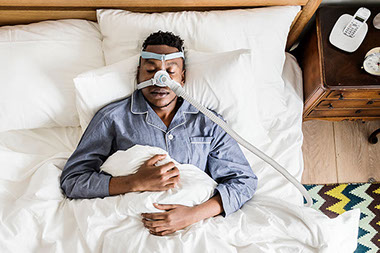
    Man wearing a CPAP machine while sleeping.

    Persons with this sleep disorder may not fully wake up and remain unaware that their nighttime breathing is abnormal.

    The most common type of sleep apnea is obstructive sleep apnea. With this, the airway narrows or gets blocked during sleep. This causes loud snoring, harsh breathing, and snorting sounds. Breathing may stop for 10 or more seconds at a time. Daytime sleepiness is another common symptom.

    See your doctor if you have these signs, including if your sleep partner notices them but you do not. If left untreated, sleep apnea can lead to heart disease, high blood pressure, and other problems.

    Learn more about sleep apnea from the National Sleep Foundation atsleepfoundation.organd the National Center on Sleep Disorders Research atnhlbi.nih.gov/health/sleep-apnea.

    © American Institute for Preventive Medicine

  • Colorectal Cancer

    Cancer

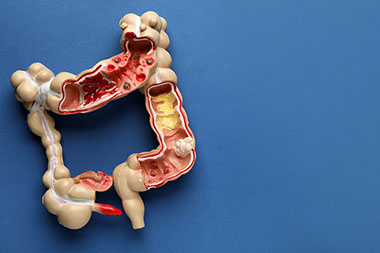
    Plastic model colon showing parts of the inside of the colon.

    In the U.S., cancer in the colon or rectum is the 4th most common type of cancer diagnosed in men and women. Finding cancers of the colon and rectum in their early stages allows for more successful treatment.

    Discuss screening for colorectal cancer with your doctor if you are age 45 and older (earlier if you have a family history of colorectal cancer).

    To help prevent colon cancer, get to and stay at a healthy weight. Get regular physical activity. Eat plenty of vegetables, fruit, and whole grains. Limit red meat and processed meats, like hot dogs and sausage. Also, avoid or limit alcohol and quit smoking.

    Learn more about colorectal cancer, including current guidelines on screening methods fromcancer.gov/types/colorectal.

    Health at Home Lifetime book by the American Institute for Preventive Medicine. www.HealthyLife.com. All rights reserved.

    © American Institute for Preventive Medicine

  • Ectopic Pregnancies

    Pregnancy & Prenatal Care

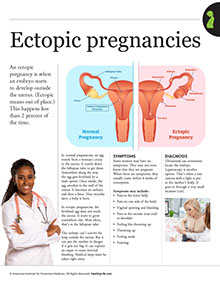
    An ectopic pregnancy is when an embryo starts to develop outside the uterus. (Ectopic means out of place.) This happens less than 2 percent of the time.

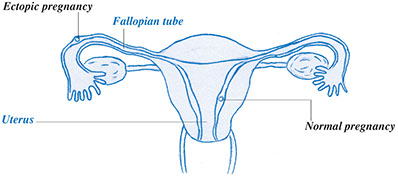
    In normal pregnancies, an egg travels from a woman’s ovary to the uterus. It travels down the fallopian tube to get there. Somewhere along the way, the egg gets fertilized by a male sperm. Once inside, the egg attaches to the wall of the uterus. It becomes an embryo and then a fetus. Nine months later, a baby is born.

    In ectopic pregnancies, the fertilized egg does not reach the uterus. It starts to grow somewhere else. Most often, that’s in the fallopian tube.

    The embryo can’t survive for long outside the uterus. But it can put the mother in danger if it gets too big. It can rupture an organ or cause internal bleeding. Medical steps must be taken right away.

    Symptoms

    Some women may have no symptoms. They may not even know that they are pregnant. When there are symptoms, they usually come within 8 weeks of conception. Symptoms may include:

    *  Pain in the lower belly

    *  Pain on one side of the body

    *  Vaginal spotting and bleeding

    *  Pain in the rectum (rear end) or shoulder

    *  Feeling like throwing up

    *  Throwing up

    *  Feeling weak

    *  Fainting

    Diagnosis

    Ultrasound can sometimes locate the embryo. Laparoscopy is another option. That’s when a tiny camera with a light is put in the mother’s body. It goes in through a very small incision (cut).

    Illustration of normal vs ectopic pregnancy.

    Causes

    There are many causes for ectopic pregnancies:

    *  Damage to the ovary or fallopian tube

    *  Scarring of the ovary or fallopian tube. Scarring can result from endometriosis, pelvic inflammatory disease or an STD.

    Also, the risk for an ectopic pregnancy is higher for women who:

    *  Have had an ectopic pregnancy in the past

    *  Have had fallopian tube surgery

    *  Have had problems getting pregnant

    *  Have used an IUD for birth control

    These women should call their health care provider when they miss a menstrual period.

    Treatment

    Medicines may be used. But if some time has passed, surgery may be needed. The embryo is removed. Any damage to the mother’s body is repaired. In some rare cases, a fallopian tube or ovary must be removed. But women have another set of these. So the mother may become pregnant again.

    Questions to Ask

    Self-Care / Prevention

    Tips to Lower the Risk of an Ectopic Pregnancy

    *  Talk to your health care provider about your risks for damage to your fallopian tubes from:

    – STDs

    – Pelvic Inflammatory Disease

    – Endometriosis

    *  Ask if you need to get tested for these and how often. Find out, too, if your health plan pays for these tests.

    *  Schedule any tests needed with your health care provider.

    Prenatal Self-Care book by the American Institute for Preventive Medicine. www.HealthyLife.com. All rights reserved.

    © American Institute for Preventive Medicine

  • Ovarian Cysts & Cancer

    Women’s Health

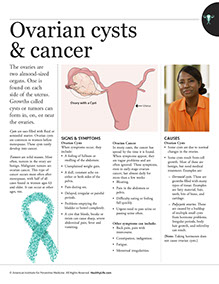
    The ovaries are two almond-sized organs. One is found on each side of the uterus. Growths called cysts or tumors can form in, on, or near the ovaries.

    Cysts are sacs filled with fluid or semisolid matter. Ovarian cysts are common in women before menopause. Rarely are these cysts cancer.

    Tumors are solid masses. Most often, tumors in the ovary are benign. Malignant tumors are ovarian cancer. This type of cancer occurs most often between the ages of 50 and 75. It can occur at other ages, too.

    Signs & Symptoms

    For Ovarian Cysts

    When symptoms occur, they include:

    *  A feeling of fullness or swelling of the abdomen.

    *  Weight gain.

    *  A dull, constant ache on either or both sides of the pelvis.

    *  Pain during sex.

    *  Delayed, irregular, or painful periods.

    *  Growth of facial hair.

    *  A cyst that bleeds, breaks, or twists can cause sharp, severe abdominal pain, fever, and vomiting.

    For Ovarian Cancer

    In many cases, the cancer has spread by the time it is found. When symptoms appear, they are vague problems and are often ignored. These symptoms, even in early-stage ovarian cancer, last almost daily for more than a few weeks:

    *  Bloating.

    *  Pain in the abdomen or pelvis.

    *  Difficulty eating or feeling full quickly.

    *  Urgent need to pass urine or passing urine often.

    Other symptoms can include:

    *  Back pain. Pain with intercourse.

    *  Constipation. Indigestion.

    *  Fatigue.

    *  Menstrual irregularities.

    Causes & Risk Factors

    For Ovarian Cysts

    *  Some cysts are due to normal changes in the ovaries.

    *  Some cysts result from cell growth. Most of these are benign, but need medical treatment. Examples are:

    – Dermoid cysts. These are growths filled with many types of tissue. Examples are fatty material, hair, teeth, bits of bone, and cartilage.

    – Polycystic ovaries. These are caused by a buildup of multiple small cysts from hormone problems. Irregular periods, body hair growth, and infertility can result.

    {Note: Taking hormones does not cause ovarian cysts.}

    Risk Factors for Ovarian Cysts

    *  Being between the ages of 20 and 35.

    *  Endometriosis. Pelvic inflammatory disease (PID). The eating disorder bulimia.

    *  Obesity.

    Risk Factors for Ovarian Cancer

    *  Not having children. Having children at an older age.

    *  Not ever taking birth control pills.

    *  Menopause after age 55.

    *  Family history of ovarian, colon, breast, prostate, or lung cancer.

    *  Personal history of breast, uterine, colon, or rectal cancer.

    *  Being Caucasian.

    *  Increasing age.

    Treatment

    Growths on ovaries are diagnosed with a pelvic exam and medical tests. Ways to detect growths include yearly pelvic and rectal exams and an ultrasound. No completely reliable test exists for ovarian cancer. A CA-125 blood test can detect the progression of ovarian cancer. It is not a reliable screening test.

    For Ovarian Cysts

    Treatment depends on the size and type of cyst(s); how severe symptoms are; the woman’s health status; and her desire to have children.

    Some cysts resolve without any treatment in 1 to 2 months. For others, hormones in birth control pills may suppress the cyst. Sometimes, surgery may be needed to remove it. The ovary and fallopian tube may need to be removed, too.

    For Ovarian Cancer

    The sooner the cancer is found and treated, the better the chance for recovery. Treatment includes:

    *  Surgery. The ovaries, uterus, and fallopian tubes are removed. If the cancer has spread, the surgeon removes as much of the cancer as possible.

    *  Chemotherapy.

    *  Radiation therapy.

    *  Clinical trials.

    Questions to Ask

    Self-Care / Prevention

    For Ovarian Cysts

    *  Limit caffeine.

    *  Have regular pelvic exams, as advised by your doctor.

    *  Take an over-the-counter medicine for pain as directed.

    For Ovarian Cancer

    *  Medical care, not self-care, is needed. Follow your doctor’s advice.

    *  Ask your doctor for advice if you have a family history of ovarian cancer.

    Resources

    National Women’s Health Information Center

    www.womenshealth.gov
    Women's Self-Care book by the American Institute for Preventive Medicine. www.HealthyLife.com. All rights reserved.

    © American Institute for Preventive Medicine

  • Prostate Cancer

    Cancer

    Man sitting looking up and sideways.

    This cancer is rare in men younger than 40, but the risk of having prostate cancer rises after age 50.

    Men aged 50 to 69 years should discuss the benefits and risks of prostate cancer screening with their doctors. African American men and those with a family history of prostate cancer should do this starting at age 40.

    When present, symptoms of prostate cancer include:

    *  Passing urine often or having a hard time passing urine

    *  Pain and burning when you pass urine, have an erection, or ejaculate. Pain in the hips, pelvis, ribs, or spine

    *  Blood in the urine

    Let your doctor know if you have any of these symptoms, which can be the same ones for other prostate problems.

    Health at Home Lifetime book by the American Institute for Preventive Medicine. www.HealthyLife.com. All rights reserved.

    © American Institute for Preventive Medicine

  • Thyroid Awareness

    Ear, Nose & Throat Conditions

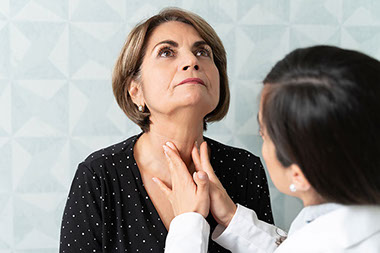
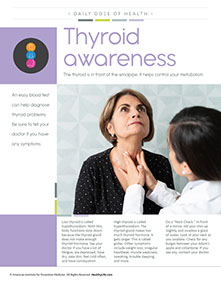
    Doctor examining women's neck.

    The thyroid is in front of the windpipe. It helps control your metabolism.

    An easy blood test can help diagnose thyroid problems. Be sure to tell your doctor if you have any symptoms.

    Low thyroid is called hypothyroidism. With this, body functions slow down because the thyroid gland does not make enough thyroid hormone. See your doctor if you have a lot of fatigue, are depressed, have dry, pale skin, feel cold often, and have constipation.

    High thyroid is called hyperthyroidism. The thyroid gland makes too much thyroid hormone. It gets larger. This is called goiter. Other symptoms include weight loss, irregular heartbeat, muscle weakness, sweating, trouble sleeping, and more.

    Do a “Neck Check:” In front of a mirror, tilt your chin up slightly and swallow a glass of water. Look at your neck as you swallow. Check for any bulges between your Adam’s apple and collarbone. If you see any, contact your doctor.

    Health at Home Lifetime book by the American Institute for Preventive Medicine. www.HealthyLife.com. All rights reserved.

    © American Institute for Preventive Medicine

  • 5 Things To Know About Lung Cancer

    MEDICAL NEWS

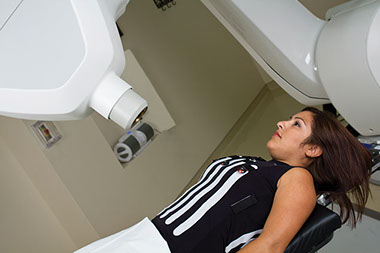
    Image of women getting a lung scan.

    Lung cancer is the country’s leading cause of cancer death. Many of the 160,000 deaths from lung cancer in the U.S. can be prevented. Dr. Bruce Johnson, the director of the Lowe Center for Thoracic Oncology at Dana-Farber Cancer Institute, sorts out the facts about lung cancer and offers simple ways to reduce risk.

    1. Lung cancer targets more than just smokers. The greatest risk factor for lung cancer is smoking, but nonsmokers can also develop lung cancer. About 10 to 15 percent of lung cancer cases occur in nonsmokers, many of them women.

    2. Know the warning signs. They can be subtle but symptoms to be aware of include a cough that does not go away, shortness of breath, back and shoulder pain, and coughing up blood. This could be a sign of something serious and should be discussed with a doctor.

    3. It’s never too late to quit smoking. People who stop and remain a nonsmoker for at least 10 to 20 years can cut their risk of developing lung cancer by 50 to 75 percent.

    4. CT screenings can save lives. Lung cancer can be difficult to detect and, until recently, there has not been a good screening test. But results from the National Lung Screening Trial suggest that screening high-risk people with low-dose CT scans can detect tumors at an earlier stage, resulting in improved lung cancer survival. Screening is currently recommended for people who are between the ages of 55 and 74 and who have smoked a pack a day for 30 years and quit fewer than 15 years ago.

    5. New therapies show promise. Thanks to advances in the last decade, new targeted therapies offer more treatment options for patients.

    © American Institute for Preventive Medicine

  • Cold, Flu, Or Allergy?

    SELF-CARE CORNER

    Image of young women dressed warmly coughing into a tissue.

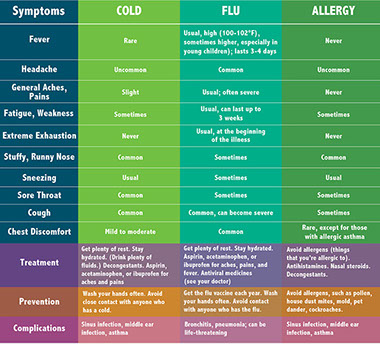
    You’re feeling pretty lousy. You’ve got sniffles, sneezing, and a sore throat. Is it a cold, flu, or allergies? It can be hard to tell them apart because they share so many symptoms. But understanding the differences will help you choose the best treatment, advises the NIH News in Health.

    Chart showing symptoms of a cold vs the flu vs an allergy.

    © American Institute for Preventive Medicine

  • Do You Have Celiac Disease?

    SELF-CARE CORNER

    Image of wheat on top of white flour.

    If you can’t eat bread or anything containing wheat, rye, and barley because of gluten-a protein found in these grains-you may have celiac disease. Different people have different symptoms, but talk with your doctor if you or your child has one or more of these problems after eating bread or cookies, for example:

    *  Gas

    *  Bloating, belly pain

    *  Ongoing diarrhea

    *  Pale, foul-smelling or fatty stool

    *  Weight loss or weight gain

    *  Fatigue

    *  Bone or joint pain

    *  Bone loss or weakening

    *  Anemia (lower red blood cell count)

    *  Behavior changes (children become irritable)

    *  Tingling, numbness in the legs

    *  Muscle cramps

    *  Seizures

    *  Itchy skin rash

    © American Institute for Preventive Medicine

  • Hard To Pronounce, Painful Foot Pain

    SELF-CARE CORNER

    Illustration of an inflammed plantar fascia.

    Ouch! That heel pain you feel when you first get up in the morning has a name.

    Plantar fasciitis(PLAN-ter fash-ee-EYE-tus). An inflammation of the fibrous band of tissue that connects your heel bone to the base of your toes along the bottom of your foot. The condition usually starts with pain the morning after a day of increased physical activity. You may not remember a specific injury.

    Ice the sore area for 20 minutes two times a day, after dinner and before bedtime, to relieve symptoms. Ask your doctor about taking nonsteroidal anti-inflammatory pain relievers, suggest experts at the American Orthopaedic Foot & Ankle Society.

    Stretching the plantar fascia with these exercises (www.aofas.org/footcaremd/conditions/ailments-of-the-heel/Pages/Plantar-Fasciitis.aspx) is the best treatment after the initial inflammation has gone down.

    For longer-term problems and pain that won’t go away, some injections are available, and shock wave therapy is an option. Surgery may be a final solution.

    © American Institute for Preventive Medicine