Tag: diet

  • Can You Lower Triglycerides Naturally?

    SELF-CARE CORNER

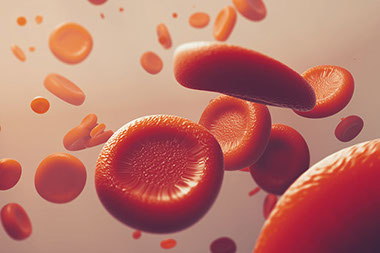
    Illustration of blood cells.

    Triglycerides are a type of lipid, or fat, in your blood. Everyone has some triglycerides. But high triglycerides, when combined with high “bad” cholesterol and low “good” cholesterol, could be bad for heart health.

    How do I know my triglyceride levels?

    High triglycerides have no signs or symptoms. The only way to know whether you have high triglycerides is through a blood test.

    Ask your doctor how often you should get this test. Most adults need a cholesterol or “lipid” test at least every four to six years. But if you have a family history of heart disease or other risk factors, your doctor may recommend the test more often.

    If your cholesterol tests shows that triglyceride levels are high, you may be able to bring them down by making some lifestyle changes.
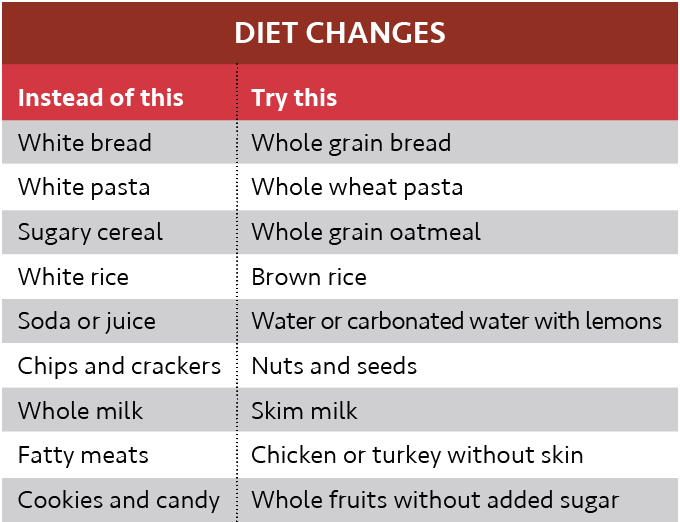
    Chart of Diet Changes - Try this instead of this.

    Heart healthy changes are key

    Talk to your doctor about your triglyceride levels. Your doctor may recommend making certain diet and exercise changes to improve your heart health. If you have diabetes, ask your doctor how you can keep blood sugar levels under good control.

    Exercise and weight loss

    Exercise is great for overall health, and it can lower your triglycerides. Try to walk or do another exercise you enjoy for 30 minutes, five days a week.

    Even a small amount of weight loss can improve triglyceride levels. Losing just 5 percent of your weight can boost your health and lower heart disease risk. Ask your doctor or nutritionist for tips on how to lose excess weight.

    Limit or Avoid Alcohol

    Your doctor may also recommend you limit or avoid alcohol to lower your triglyceride levels.

    Prescription Medicine

    In addition to making lifestyle changes, prescription medicines may also be recommended to bring triglycerides down.

    Sources: Centers for Disease Control and Prevention, National Lipid Association
    © American Institute for Preventive Medicine
  • Cholesterol: To Eat Or Not To Eat?

    HEALTHY EATING

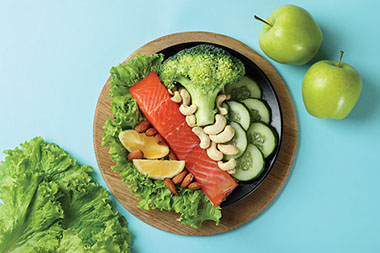
    Bowl with salman, nuts, cucumbers.

    Not that long ago, eggs were considered taboo, and heart healthy eating meant avoiding cholesterol. However, our understanding of the impact of dietary cholesterol on blood cholesterol has evolved in recent years.

    Instead of worrying about the amount of cholesterol in food, watching your overall fat intake is most important, especially the unhealthy fats. For the best heart protection, you should consume a diet low in unhealthy fats, such as saturated and trans fats.

    Moderation is key. Cholesterol-containing foods can be part of a healthy diet as long as you do not over-consume them.

    Foods that contain cholesterol & unhealthy fats

    *  Egg yolks (egg whites do not contain cholesterol)

    *  Cheese

    *  Butter

    *  Shellfish

    *  Red meat

    *  Full fat milk and yogurt

    *  Fried foods

    *  Processed meats

    *  Most fast foods

    *  Desserts such as cake, cookies, and pies

    Decrease intake of cholesterol & unhealthy fats

    A healthy diet is one high in plant foods such as fruits, vegetables, and whole grains. If you focus on eating more of these unprocessed, plant foods, you will naturally be eating a diet lower in fat and cholesterol.

    Try these tips to bring more balance to your diet:

    *  Eat 1-2 fruits and vegetables at each meal.

    *  If you consume dairy products, choose fat-free or low-fat.

    *  When you eat meat, choose lean cuts and limit your portion to 3 ounces.

    *  Choose baked over fried foods.

    *  Limit processed meats such as lunch meat, hot dogs, bacon, and salami.

    *  Eat more fiber from fruits, vegetables, oats, and beans.

    © American Institute for Preventive Medicine
  • Cool That Heartburn

    SELF-CARE CORNER

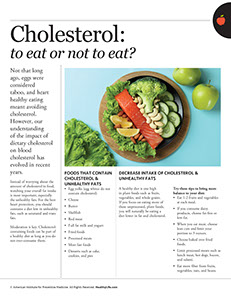
    Man suffering from heartburn.

    Do you get a burning feeling in your chest after eating or at night? Does it get worse if you lie down or bend over?

    Many people have heartburn once in a while.

    Don’t ignore frequent heartburn

    When heartburn keeps happening, it could hurt your health. Frequent heartburn that lasts longer than two weeks is called gastroesophageal reflux disease (GERD). This condition can damage your throat or even cause breathing problems.

    See a doctor about frequent heartburn so you can get treatment.

    If you get occasional heartburn, there are several ways you can reduce it or avoid it:

    *  Stay upright after eating. Don’t lie down after a meal. This can cause the acid and food to come up and into your esophagus.

    *  Avoid activities that use the tummy muscles right after eating. This includes activities like hard exercise or lifting heavy objects.

    *  Eat smaller meals. Eat your food slowly and stop before you feel overly full.

    *  Avoid heartburn triggers. This includes caffeine, chocolate, fatty foods, fried foods and spicy foods.

    *  Work toward a healthy weight if you are overweight.

    *  Ask your doctor about using an antacid for occasional heartburn.

    Heartburn drug recall

    Recently, the Food and Drug Administration (FDA) found that an acid reflux (GERD) medicine contained a “probable human carcinogen” at low levels. This means that these medicines contain something that could potentially cause cancer.

    The drug, known as ranitidine or Zantac, is an H2-blocker. It works by reducing the amount of acid in the stomach. After FDA’s announcement, some drug companies recalled their ranitidine products. Some pharmacies also pulled the medicine off their shelves.

    If you are taking ranitidine or Zantac, talk to your doctor. There are other FDA-approved medicines that could work for you. Your doctor can help you choose the best treatment.

    FDA continues to evaluate the safety of ranitidine and will provide more information as it becomes available.

    Source: Food and Drug Administration

    © American Institute for Preventive Medicine
  • Diet & Fertility

    HEALTHY EATING

    Couple in kitchen cooking together.

    While many factors that affect fertility are beyond your control, lifestyle habits are something you can change for the better when trying to conceive.

    Eating a nutritious diet and maintaining a healthy weight put your body in the right condition for reproduction. Choosing a quality diet is an essential part of the process.

    What to eat

    There are still gaps in our understanding of the best diet to promote fertility. However, we do know a healthy diet is beneficial in all stages of life. Here are some general guidelines that have been shown to support fertility:

    *Choose healthy fats.These include monounsaturated and omega 3 fats. Olive oil, avocados, fatty fish, nuts, and seeds are good sources of these fats.

    *Up your plant intake.Fruits, vegetables, whole grains, beans, legumes, and nuts and seeds should feature heavily in your diet.

    *Women should consume foods high in iron.Plant sources of iron include beans, lentils, leafy greens, fortified cereals, and whole grains. For better absorption, include vitamin C-rich foods such as citrus, berries, and peppers.

    *Women should take a daily prenatal multivitamin.It should include 400 micrograms of folic acid.

    What to avoid

    The eating pattern considered beneficial for fertility also includes foods to limit when trying to conceive.

    *Trans fats.These less healthy fats are found in some processed foods. Choosing a whole food diet will naturally eliminate many unhealthy trans fats.

    *Less animal protein.Small quantities of beef, chicken, pork, and fish are OK, but most people benefit from cutting back, especially red meat.

    *Junk food.Processed foods high in sugar, salt, and fat don’t support reproductive health.

    *Overeating.Men or women who are overweight or obese may benefit from gradual, healthy weight loss to boost fertility.

    *Fad diets.Avoid following fads as these diets are often imbalanced or can lead to rapid, unhealthy weight loss which may interfere with fertility.

    © American Institute for Preventive Medicine

  • Diet Changes: Simple And Doable

    HEALTHY EATING

    Hand over table with bowls of different, healthy ingredients.

    If you try a complete diet overhaul at once, you may get overwhelmed. You can make it easier by not doing too much at once. Focus on one or two things you want to change and stick with those.

    Keep comfort foods, but tweak them

    Many people think they must give up all their favorite foods to be healthy. But if you have comfort foods you enjoy, this can cause even more stress. Here’s how to keep them while eating healthy:

    *Eat them less often.Aim to eat your comfort food once a week, rather than every day. Come up with healthier options to replace the comfort food.

    *Take a smaller portion.Put a smaller portion on your plate and eat it slowly. Enjoy the smell and taste of each bite, truly savoring it.

    *Modify the recipe.Switch out high fat and high calorie ingredients in your recipes. Use low-fat or fat-free dairy products instead of whole milk and cream. Use vegetable noodles instead of white pasta. All those little changes add up.

    Keep it simple

    If you’re already under stress, following an extreme diet plan could backfire. It could cause more stress, which could lead to frustration and more stress.

    Instead, celebrate one or two small victories each day. Write down when you snacked on fresh carrots instead of potato chips. Or you had a glass of water instead of soda. Whatever you did to make your diet a little bit better is a step in the right direction.

    Looking at the positive things you have accomplished may be the boost you need during times of stress. When you have slip-ups or bad days, don’t view it as a “failure.” It doesn’t mean all your healthy eating plans are over. Instead, forgive the mistake and look forward to a better and healthier day tomorrow.

    Source: Centers for Disease Control and Prevention

    © American Institute for Preventive Medicine
  • Do Detox Diets Work?

    HEALTHY EATING

    Two different detox drinks.

    Detox or cleansing diets are a popular way to make a change and cut calories quickly. But, do they really work?

    How do detox diets work?

    Detox diets use a variety of techniques in an attempt to “cleanse” the body. These include:

    *  Fasting

    *  Juicing

    *  Herbs

    *  Supplements

    *  Colon cleanses such as enemas or laxatives

    *  Saunas

    *  Food restrictions

    The idea is that these techniques cleanse and purify the body of toxins by encouraging increased elimination and digestive rest. Some diets even claim to remove toxins and metals from the bloodstream.

    Is there evidence detox diets work?

    Currently, there is no evidence that these methods to “detoxify” have any impact on human health. Your body already has ongoing processes to purify the blood and remove waste products. For example, your liver and digestive tract are two of the organ systems responsible for protecting you from harmful toxins.

    While some people report feeling better or losing weight on a detox diet, this effect may be the result of removing unhealthy foods from the diet and cutting back on calories. You could likely achieve the same results by eating a healthier, balanced diet in general.

    Are detox diets safe?

    Some of these diets can be unsafe and use false advertising to promote their claims. Many products used in detoxes or cleanses are unregulated by the FDA and could potentially cause harmful side effects.

    In addition, detox diets are often unbalanced, either by avoiding most foods or encouraging a high intake of specific foods or drinks. This could lead to problems with hydration or electrolyte balance, as well as cause digestive problems.

    Other things to consider include any health conditions or medications you currently take. You should talk to your doctor before trying any type of detoxing or cleansing.

    Are there alternatives to detoxing?

    If you are interested in cleaning up your diet but want to avoid the quick fixes promised by detox diets, there are other great options. Improving your health is a lifelong journey. Small changes over time can make a big difference.

    Consider these ideas:

    *  Cut out soda, juices, and other beverages, and let water be your drink of choice.

    *  Limit added sugars in your diet.

    *  Increase your intake of fruits and vegetables to at least 5 servings a day.

    *  Avoid late-night eating.

    *  Limit or remove alcohol from your diet.

    © American Institute for Preventive Medicine
  • Eating Right With Gout

    SELF-CARE CORNER

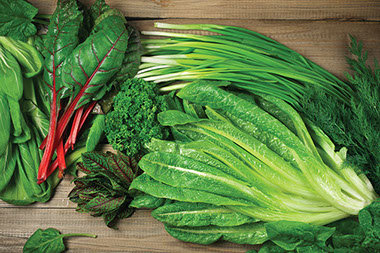
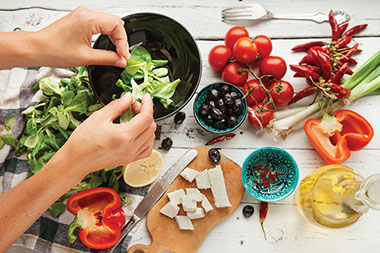
    Variety of leaft greens.

    Gout is a type of arthritis. It can develop if a person has high levels of a substance called uric acid in their blood. Uric acid can form sharp crystals in the joints. This can cause severe pain, redness, warmth and swelling. Gout often affects the big toe, but it can affect other joints.

    Sometimes gout doesn’t cause any pain for a while. Then, a person may get severe pain in the affected joint. This is called a gout attack. When a gout attack happens, uric acid levels go up or the crystals in the joint cause irritation. A gout attack is very painful.

    In addition to pain, gout can cause heart problems. People who have gout may be more likely to have heart failure, a heart attack or stroke. Eating certain foods can help keep uric acid levels low. This can help a person prevent gout attacks.

    What to eat with gout

    If you have gout, you may want to eat more of the following foods:

    *  Leafy green vegetables

    *  Other green vegetables like green beans and peas

    *  Legumes like beans and lentils

    *  Tofu

    *  Low-fat or fat-free milk and dairy products

    *  Whole grain breads and cereals

    *  Vegetable oils like olive oil

    *  Coffee (if you already drink it)

    *  Citrus fruits like grapefruit and oranges

    *  Pineapple

    *  Strawberries

    *  Cherries

    In addition, drink at least eight glasses of water a day.

    Skip these foods & drinks

    Certain foods and beverages can trigger gout attacks. Avoid the following:

    *  Beer (alcoholic and  non-alcoholic)

    *  Alcoholic drinks

    *  Soda, fruit juice, and foods with high-fructose corn syrup

    *  Organ meats like liver and sweetbreads

    *  Cold water fish like tuna, salmon and trout

    *  Shellfish like mussels, scallops, squid, shrimp, oysters, crab and lobster

    Eating a healthy diet is a great way to manage gout and help avoid attacks. It also helps to get regular exercise. Be sure to see your doctor as recommended. Your doctor may prescribe gout medication if needed and will discuss your heart disease risk.

    Sources: American Heart Association, Arthritis Foundation

    © American Institute for Preventive Medicine
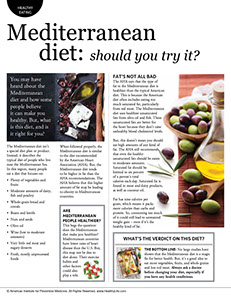
  • Mediterranean Diet: Should You Try It?

    HEALTHY EATING

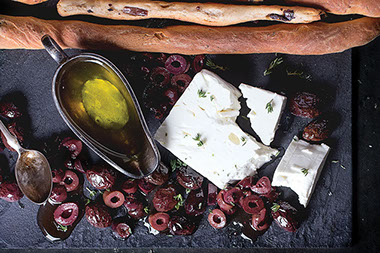
    Olive oil, black oils, bread and cheese.

    You may have heard about the Mediterranean diet and how some people believe it can make you healthy. But, what is this diet, and is it right for you?

    The Mediterranean diet isn’t a special diet plan or product. Instead, it describes the typical diet of people who live near the Mediterranean Sea. In this region, many people eat a diet that focuses on:

    *  Plenty of vegetables and fruits

    *  Moderate amounts of dairy, fish and poultry

    *  Whole-grain bread and cereals

    *  Beans and lentils

    *  Nuts and seeds

    *  Olive oil

    *  Wine (low to moderate amounts)

    *  Very little red meat and sugary desserts

    *  Fresh, mostly unprocessed foods

    When followed properly, the Mediterranean diet is similar to the diet recommended by the American Heart Association (AHA). But, the Mediterranean diet tends to be higher in fat than the AHA recommendations. The AHA believes that this higher amount of fat may be leading to obesity in Mediterranean countries.

    Fat’s not all bad

    The AHA says that the type of fat in the Mediterranean diet is healthier than the typical American diet. This is because the American diet often includes eating too much saturated fat, particularly from red meat. The Mediterranean diet uses healthier unsaturated fats from olive oil and fish. These unsaturated fats are better for the heart because they don’t raise unhealthy blood cholesterol levels.

    But, this doesn’t mean you should eat high amounts of any kind of fat. The AHA still recommends that even the healthy unsaturated fats should be eaten in moderate amounts. Saturated fat should be limited to six percent of a person’s total calories each day. Saturated fat is found in meat and dairy products, as well as coconut oil.

    Fat has nine calories per gram, which means it packs more calories than carbs and protein. So, consuming too much of it could still lead to unwanted weight gain – even if it’s the healthy kind of fat.

    Are Mediterranean people healthier?

    This begs the question: does the Mediterranean diet make you healthier? Mediterranean countries have lower rates of heart disease than the U.S. But, this may not be due to diet alone. Their exercise habits and other factors could also play a role.

    What’s the verdict on this diet?

    The bottom line: No large studies have shown that the Mediterranean diet is a magic fix for better health. But, it’s a good idea to eat more vegetables, fruits, and whole grains and less red meat. Always ask a doctor before changing your diet, especially if you have any health conditions.

    © American Institute for Preventive Medicine
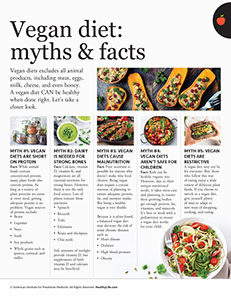
  • Vegan Diet: Myths & Facts

    HEALTHY EATING

    Stuffed butternut squash with chickpeas, cranberries, quinoa cooked in nutmeg, cloves, cinnamon.

    Vegan diets excludes all animal products, including meat, eggs, milk, cheese, and even honey. A vegan diet CAN be healthy when done right. Let’s take a closer look.

    Myth #1: Vegan diets are short on protein

    Fact: While animal foods contain concentrated protein, many plant foods also contain protein. As long as a variety of plant proteins are eaten at every meal, getting adequate protein is no problem. Vegan sources of protein include:

    *  Beans

    *  Legumes

    *  Nuts

    *  Seeds

    *  Soy products

    *  Whole grains such as quinoa, oatmeal, and millet

    Myth #2: Dairy is needed for strong bones

    Fact: Calcium, vitamin D, vitamin K, and magnesium are all essential nutrients for strong bones. However, dairy is not the only food source. Lots of plants contain those nutrients:

    *  Spinach

    *  Broccoli

    *  Tofu

    *  Edamame

    *  Beans and chickpeas

    *  Chia seeds

    Safe amounts of sunlight provide vitamin D, but supplements of both vitamin D and calcium may be beneficial.

    Myth #3: Vegan diets cause malnutrition

    Fact: Poor nutrition is possible for anyone who doesn’t make wise food choices. Being vegan does require a certain amount of planning to ensure adequate protein, fat, and nutrient intake. But being a healthy vegan is very doable.

    Because it is plant-based, a balanced vegan diet may decrease the risk of some chronic diseases such as:

    *  Heart disease

    *  Diabetes

    *  High blood pressure

    *  Obesity

    Myth #4: Vegan diets aren’t safe for children

    Fact: Kids can be healthy vegans, too. However, due to their unique nutritional needs, it takes extra care and planning to ensure their growing bodies get enough protein, fat, vitamins, and minerals. It’s best to work with a pediatrician to ensure a vegan diet works  for your child.

    Myth #5: Vegan diets are restrictive

    A vegan diet may not be for everyone. But, those who follow this way of eating enjoy a wide variety of delicious plant foods. If you choose to switch to a vegan diet, give yourself plenty of time to adapt to new ways of shopping, cooking, and eating.

    © American Institute for Preventive Medicine
  • Simple Ways To Lower Cholesterol

    SELF-CARE CORNER

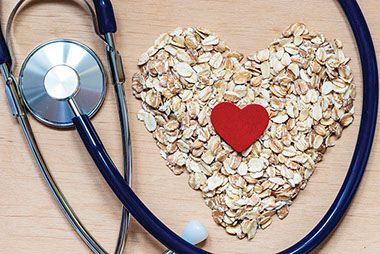
    Image of oats shaped in a heart.

    You can’t feel or see high cholesterol, but it’s nothing to brush aside. People with high cholesterol have twice the risk of heart disease as those who have normal levels. The Centers for Disease Control and Prevention says 1 out of 3 American adults has high cholesterol – and less than half of them get the treatment they need.

    A simple blood test, done at least every five years, can tell you if you have high cholesterol. If your levels are high, your doctor may put you on a cholesterol-lowering program. This may include medicine, but often includes changes you can make at home to be healthier.

    Lifestyle changes are an important way to lower high cholesterol and cut your risk of heart disease. Even if your cholesterol isn’t high, these changes can help you keep it at a healthy level. The American Academy of Family Physicians says people should:

    *Avoid smoking or quit if you do smoke.Smoking lowers your good cholesterol. Talk to your doctor if you need help quitting tobacco.

    *Work toward a healthy weight.Losing just a few pounds can lower bad cholesterol and triglycerides.

    *Get active.Exercise can raise HDL (good) cholesterol and lower LDL (bad) cholesterol and triglycerides. Try for 30 minutes of activity, 5 days per week.

    *Get more fiber in your diet.Soluble fiber, found in oats, legumes, and fruits and vegetables, may help lower cholesterol.

    *Eat healthy fats.Avoid saturated and trans fats found in many processed, fried and animal foods. Focus on healthy fats found in olive oil, fish, avocados, seeds and nuts.

    *Eat more vegetarian proteins.Beans, nuts, peas, soy and lentils are healthy proteins that don’t have the saturated fats found in most meat.

    *Limit foods with cholesterol.Healthy people should eat less than 300 milligrams of cholesterol per day. People with heart disease may need to eat less than 200 milligrams a day.

    *Ask about supplements.Some natural supplements can help lower cholesterol in addition to making healthy diet and exercise changes. These include:

    – Plant sterols and stanols

    – Omega-3 fatty acids (usually found in fish oil supplements)

    – Red yeast rice

    Always ask your doctor before taking any natural supplements, especially if you have health conditions or take any medicines.

    © American Institute for Preventive Medicine