Tag: doctor

  • Infertility: When To See A Doctor

    MEDICAL NEWS

    Young couple talking to doctor.

    It is not uncommon for some couples to have trouble conceiving. If a couple has been trying for one year without success, they are said to be dealing with infertility.

    While infertility may be common, it is not hopeless. Many effective treatments are available. Knowing when to talk to your doctor about fertility can help you get closer to your goal of getting pregnant.

    What causes infertility?

    Infertility is not just a woman’s issue. It can affect one or both partners.

    Men require healthy sperm to be fertile. Anything that impacts the number, shape, and movement of sperm may cause infertility. These may include:

    *  Unhealthy habits

    *  Trauma to the testes

    *  Certain medications or supplements

    *  Cancer treatment

    *  Medical conditions

    Women need functioning ovaries, fallopian tubes, and a uterus to get pregnant. A condition that affects any one of these organs can cause infertility issues. These may include:

    *  Polycystic ovary syndrome (PCOS)

    *  Diminished ovarian reserve

    *  Blocked fallopian tubes

    *  Menopause

    *  Abnormal uterine shape

    When to see a doctor

    Every couple should talk to their doctor to let them know they are trying to get pregnant. Your doctor may have specific recommendations and screenings that would be of benefit.

    Some couples may be at a higher risk of infertility. If you have any of the following risk factors, you should talk to your doctor right away when trying to conceive:

    *  Irregular or no menstrual periods

    *  Painful periods

    *  Endometriosis

    *  Pelvic inflammatory disease

    *  History of miscarriage

    *  Any suspected male factors, such as cancer treatment, history of teste trauma, etc.

    Women over the age of 30 may experience age-related declines in fertility. Once a woman is over 35, infertility becomes more common. While this doesn’t mean someone at that age will not be able to conceive, it does mean you should talk to your doctor sooner if you do not become pregnant.

    Any couple who has been trying to conceive for one year without success should talk to their doctor. Couples over the age of 35 should talk to their doctor after six months of trying.

    Your doctor may refer you to a reproductive endocrinologist who specializes in infertility. Never hesitate to talk with your doctor if you have any questions or concerns about yourself or your partner’s fertility.

    © American Institute for Preventive Medicine

  • Telehealth: What To Know

    MEDICAL NEWS

    Phone and stethoscope.

    Telehealth or telemedicine uses video calls or other technology to help you see your doctor. This allows you to have medical appointments from home instead of going to the doctor’s office.

    Getting ready

    If you want to use telehealth, but don’t know how, contact your doctor’s office. Different doctors and hospitals use different apps and technology for their telemedicine appointments. Ask them for instructions on how to get set up.

    Before your appointment, check with your insurance company about coverage for telehealth appointments. Prepare a list of questions to ask your doctor so you’ll be sure to cover everything.

    If you need help

    If you’re feeling overwhelmed, ask a tech-savvy friend or family member to help. Usually, you only need:

    1.  A strong internet connection. Your connection needs to be fast enough for video chats.

    2.  A smartphone, tablet or computer that connects to your wi-fi and has a working microphone, speaker and camera. Most newer devices have all of these built in.

    Telehealth can be a safe and convenient way to have your medical appointments. Don’t be intimidated by technology. With a little help, you can be up and running – and it may become your favorite way to have your doctor visits!

    Source: National Institutes on Aging

    © American Institute for Preventive Medicine

  • Consider An Exercise Stress Test

    Fitness

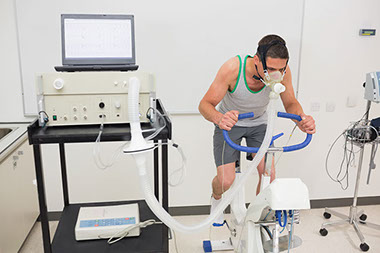
    Image of man performing a stress test.

    An exercise stress test measures the heart’s response to physical exertion and can give your doctor an idea of how safe it would be for you to exercise and at what intensity you can exercise with relative safety. If you undergo an exercise test, your doctor will ask you to either pedal a stationary bike or walk on a motorized treadmill that increases in speed or grade. Electrodes placed on your chest will monitor your heart activity. Your blood pressure will be monitored, too.

    Should you have an exercise stress test? According to the National Heart, Lung, and Blood Institute, exercise stress testing isn’t routinely done to screen for problems, such as coronary artery disease (CAD). Usually, you will have to have symptoms of CAD before a doctor recommends exercise stress testing.

    You should check with your doctor about the need for an exercise stress test. In general you may be advised to have an exercise stress test if:

    *  You plan to start a vigorous exercise program and you are a male over the age of 45 or a female over the age of 55, especially if you have:

    – Diabetes or kidney disease.

    – Very high blood pressure.

    – Very high LDL (bad) blood cholesterol.

    – A family history of heart disease or many risk factors for it.

    *  You have chest pain during physical activity.

    *  You have a diagnosed heart ailment, lung disease, or metabolic disorder.

    *  You feel faint, get a rapid heartbeat, or feel a fluttering feeling in your chest when you exercise.

    *  You get short of breath at rest or when you exercise.

    *  You have had an abnormal resting electrocardiogram (ECG).

    Page image from A Year of Health Hints book by the American Institute for Preventive Medicine. www.HealthyLife.com. All rights reserved.

    © American Institute for Preventive Medicine

  • Choosing A Doctor Or Health Care Provider

    Medical Care

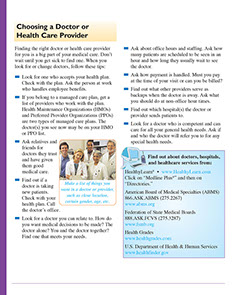
    Finding the right doctor or health care provider for you is a big part of your medical care. Don’t wait until you get sick to find one. When you look for or change doctors, follow these tips:

    *  Look for one who accepts your health plan. Check with the plan. Ask the person at work who handles employee benefits.

    *  If you belong to a managed care plan, get a list of providers who work with the plan. Health Maintenance Organizations (HMOs) and Preferred Provider Organizations (PPOs) are two types of managed care plans. The doctor(s) you see now may be on your HMO or PPO list.

    *  Ask relatives and friends for doctors they trust and have given them good medical care.

    *  Find out if a doctor is taking new patients. Check with your health plan. Call the doctor’s office.

    *  Look for a doctor you can relate to. How do you want medical decisions to be made? The doctor alone? You and the doctor together? Find one that meets your needs.

    *  Ask about office hours and staffing. Ask how many patients are scheduled to be seen in an hour and how long they usually wait to see the doctor.

    *  Ask how payment is handled. Must you pay at the time of your visit or can you be billed?

    *  Find out what other providers serve as backups when the doctor is away. Ask what you should do at non-office hour times.

    *  Find out which hospital(s) the doctor or provider sends patients to.

    *  Look for a doctor who is competent and can care for all your general health needs. Ask if and who the doctor will refer you to for any special health needs.

    Resources

    American Board of Medical Specialties (ABMS)

    866.ASK.ABMS (275.2267)

    www.abms.org

    Federation of State Medical Boards

    888.ASK.FCVS (275.3287)

    www.fsmb.org

    Health Grades

    www.healthgrades.com

    U.S. Department of Health & Human Services

    www.healthfinder.gov

    Page from the Healthier at Home book by the American Institute for Preventive Medicine. www.HealthyLife.com. All rights reserved.

    © American Institute for Preventive Medicine

  • How To Make The Most Of A Doctor Visit

    Medical Care

    Image of doctor and patient talking.

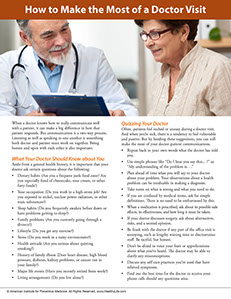
    When a doctor knows how to really communicate well with a patient, it can make a big difference in how that patient responds. But communication is a two-way process. Listening as well as speaking to one another is something both doctor and patient must work on together. Being honest and open with each other is also important.

    What Your Doctor Should Know about You

    Aside from a general health history, it is important that your doctor ask certain questions about the following:

    *  Dietary habits (Are you a frequent junk-food eater? Are you especially fond of cheesecake, sour cream, or other fatty foods?)

    *  Your occupation (Do you work in a high-stress job? Are you exposed to nickel, nuclear power radiation, or other toxic substances?)

    *  Sleep habits (Do you frequently awaken before dawn or have problems getting to sleep?)

    *  Family problems (Are you currently going through a divorce?)

    *  Lifestyle (Do you get any exercise?)

    *  Stress (Do you work in a noisy environment?)

    *  Health attitude (Are you serious about quitting smoking?)

    *  History of family illness (Does heart disease, high blood pressure, diabetes, kidney problems, or cancer run in your family?)

    *  Major life events (Have you recently retired from work?)

    *  Living arrangements (Do you live alone?)

    Quizzing Your Doctor

    Often, patients feel rushed or uneasy during a doctor visit. And when you’re sick, there is a tendency to feel vulnerable and passive. But by heeding these suggestions, you can still make the most of your doctor-patient communications.

    *  Repeat back in your own words what the doctor has told you.

    *  Use simple phrases like “Do I hear you say that…  ?” or “My understanding of the problem is. . .”

    *  Plan ahead of time what you will say to your doctor about your problem. Your observations about a health problem can be invaluable in making a diagnosis.

    *  Take notes on what is wrong and what you need to do.

    *  If you are confused by medical terms, ask for simple definitions. There is no need to be embarrassed by this.

    *  When a medication is prescribed, ask about its possible side effects, its effectiveness, and how long it must be taken.

    *  If your doctor discusses surgery, ask about alternatives, risks, and a second opinion.

    *  Be frank with the doctor if any part of the office visit is annoying, such as lengthy waiting time or discourteous staff. Be tactful, but honest.

    *  Don’t be afraid to voice your fears or apprehensions about what you’ve heard. The doctor may be able to clarify any misconceptions.

    *  Discuss any self-care practices you’ve used that have relieved symptoms.

    *  Find out the best time for the doctor to receive your phone calls should any questions arise.

    Page from A Year of Health Hints book by the American Institute for Preventive Medicine. www.HealthyLife.com. All rights reserved.

    © American Institute for Preventive Medicine

  • Rate Your Doctor

    Medical Care

    In order to feel good about your medical care, you should feel good about your doctor, too. Use this checklist when evaluating your physician.

    *  Is your doctor ‘board certified” or ‘board eligible?” To check, contact the American Board of Medical Specialists (ABMS) at 1.866.ASK.ABMS (275.2267) or accesswww.abms.org. Board certified means that he or she has two or more years of training in a specialty after medical school graduation and has passed a national examination certifying competence in the specialty. Board eligible means that the training has been completed, but not the exam. Please note, however, that credentials do not guarantee competency.

    *  Does your doctor listen to you and answer all your questions about the causes and treatment of your medical problems, or is he or she vague, impatient, or unwilling to answer?

    *  Are you comfortable with your doctor? Can you openly discuss your feelings and talk about personal concerns, including sexual and emotional problems?

    *  Does your doctor take a thorough history, asking about past physical and emotional problems, family medical history, drugs you are taking, and other matters affecting your health?

    *  Does your doctor address the root causes of your medical problems or simply prescribe drugs to treat the symptoms?

    *  Does your doctor have an associate to whom you can turn should he or she be unavailable?

    *  Do you feel at ease asking your doctor questions that may sound

    Page from A Year of Health Hints book by the American Institute for Preventive Medicine. www.HealthyLife.com. All rights reserved.

    © American Institute for Preventive Medicine

  • Choosing Your Health Care Provider

    Pregnancy & Prenatal Care

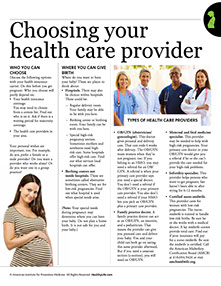
    Read the options below. Discuss them with your health insurance carrier. Do this before you get pregnant. Who you choose will partly depend on:

    *  Your health insurance coverage.

    *  You may need to choose from a certain list. Find out who is on it. Ask if there is a waiting period for maternity coverage.

    *  The health care providers in your area

    Your personal wishes are important, too. For example, do you prefer a female or a male provider? Do you want a provider who works alone? Or do you want one in a group practice?

    Where You Can Give Birth

    Where do you want to have your baby? These are places to think about:

    *  Hospitals. There may also be choices within hospitals. These could be:

    – Regular delivery room. Your family may be able to be with you here.

    – Birthing center or birthing room. Your family can be with you here.

    – Special high-risk pregnancy section. Sometimes mothers and newborns need high-risk care. Some hospitals offer high-risk care. Find out what services local hospitals can offer.

    *  Birthing centers not inside hospitals. These are sometimes called alternative birthing centers. They are for low-risk pregnancies. Find out what hospital is used when special needs arise.

    {Note: Your special needs during pregnancy may determine where you can have your baby. Do not plan a home birth. It is not safe for you and your baby.}

    Types of Providers

    *  OB/GYN (obstetrician/gynecologist). This doctor gives prenatal and delivery care. That care ends 6 weeks after delivery. The OB/GYN treats women when they’re not pregnant, too. You may already have an OB/GYN. If you do, you could choose this provider for your pregnancy. Most women choose an OB/GYN. If you belong to an HMO, you may need a referral for an OB/GYN. A referral is when your primary care provider says you need a special doctor. You don’t need a referral if the OB/GYN is your primary care provider. You also don’t need a referral if your HMO lets you pick an OB/GYN plus a primary care provider.

    *  Family practice doctor. A family practice doctor can act as an OB/GYN, an internist, and a pediatrician. That means the provider can give you prenatal care and deliver your baby. You and your child can both go on seeing this same provider afterward. But if you need a cesarean section (c-section), you will need an OB/GYN.

    *  Maternal and fetal medicine specialist. This provider may be needed to help with high-risk pregnancies. Your primary care doctor or your OB/GYN would give you a referral if he or she can’t provide the care needed for your high-risk problems.

    *  Infertility specialist. This provider helps persons who want to get pregnant, but haven’t been able to after trying for a year. You may want to see this doctor if your regular OB/GYN cannot help you with your needs.

    *  Certified nurse-midwife. This provider cares for women with low-risk pregnancies. The nurse-midwife is trained to handle low-risk births. Be sure he or she works with a medical doctor. A lay midwife cannot provide total care. Find out if your insurance will pay for a nurse-midwife. Be sure the midwife is certified. Call the American Midwifery Certification Board (AMCB) at 866.366.9632 or go to its Web site:www.amcbmidwife.org.

    How to Find a Provider

    There are a lot of ways to find providers who might suit you:

    *  Look in the directory of providers from your health insurance carrier.

    *  Ask your regular doctor or specialist.

    *  Do you have any friends who had a baby recently? Are their ideas about having babies like yours? Ask them.

    *  Call information at the hospital you want. Ask for the name and phone number of the nurse in charge of the maternity section. Ask for the name and phone number of a resident in obstetrics who works at that hospital. A resident is a doctor who is in training. Ask for the “Physician Referral Service.” Call any or all of them and ask what doctor(s) they recommend.

    *  Call the medical school closest to you. Ask which obstetricians it recommends.

    *  Ask your county medical society.

    *  Look in the Directory of the American Medical Association. Ask for this at your doctor’s office or library.

    *  Look in the Directory of Medical Specialties for OB/GYNs. Your doctor’s office or library should have this, too.

    *  Look for a doctor who can take care of special needs you may have.

    *  Do you want a doctor with a high interest in prepared childbirth? Prepared childbirth is a special approach. The pregnant mother goes to classes. Her partner or other childbirth “coach” goes with her. They both learn ways of helping the birth happen, like special breathing. The doctor works with the mother in this approach to childbirth.

    How to Follow Up with a Provider

    Have you found some likely prospects? Now you can:

    *  Call the American Board of Medical Specialties at 866.275.2267 or go to its Web site:www.abms.org. Find out if the provider is properly trained and licensed.

    *  Ask yourself some questions.

    – Do you think you could work well with the provider?

    – Does the provider’s office seem to be managed well?

    *  Ask the provider some questions. You may be able to do this on the phone. (You may be charged an office visit for the phone call.) Or you may need to make a date to meet in person. Here are some questions to ask. You will think of others.

    – Does the provider accept your health insurance? What do services cost? How must payment be made? How much do you have to pay?

    – What hospital(s) does the provider use?

    – Is the hospital accredited? The Joint Commission on Accreditation of Healthcare Organizations (JCAHO) does this.

    – Does the hospital have a birthing center or birthing room?

    – Does it have a Level III neonatal intensive care unit (NICU)?

    – Can fathers and other persons be with you in the delivery room? In the operating room?

    – Will the provider be the one who delivers your baby?

    – Does the provider have partners who share the practice? If so, what would their roles be?

    – Would a resident deliver your baby? A resident is a doctor in training.

    – How would you reach your OB/GYN or health care provider? Would this differ at certain times of day or night? For emergencies?

    – Who would take care of you when your health care provider is away?

    – What is the provider’s Cesarean section (C-section) rate? If the rate is more than 35%, ask why.

    – For what reasons does the provider do a C-section?

    – Does the provider prefer a certain form of pain relief? If so, what and why?

    – At the place you will deliver, can you get anesthetics for an epidural any time of the day or night? An epidural is an anesthesia that can block most of the pain during labor and delivery.

    – What else can be given for pain?

    You can talk to two or more providers. Compare the answers you get. Then you can decide who will give you care and deliver your baby.

    Prenatal Self-Care book by the American Institute for Preventive Medicine. www.HealthyLife.com. All rights reserved.

    © American Institute for Preventive Medicine

  • 5 Must-Ask Questions For Your Next Checkup

    SELF-CARE CORNER

    Image of doctor and patient with thumbs up.

    Got a checkup coming up? Don’t let your doctor do all the talking. Speak up – and ask these important questions to get the most out of your visit. If you don’t understand an answer, always ask him or her to clarify. Your doctor wants to be sure you leave the office knowing how to get – or stay – healthy.

    Are there any vaccines I should get?

    Vaccines aren’t just for kids. Many important vaccines are

    given in the adult years, including:

    *  Influenza (flu)

    *  Tdap (tetanus, diphtheria, and pertussis)

    *  Shingles

    *  Pneumococcal (Pneumovax or Prevnar 13)

    *  Measles, mumps, rubella (MMR)

    The vaccines you need will depend on your age and health status. Your doctor is the best person to help you get fully protected from many diseases.

    Do you have my most recent family history?

    Tell your doctor if you have a family member with health conditions. This history helps you and your doctor think about what health conditions could affect you in the future. Catching problems early boosts your chances of successful treatment.

    Am I due for any cancer or health screenings?

    Your age, gender, family history, and current health all play a role in what tests you may need. High cholesterol, high blood pressure, depression, certain cancers, and diabetes are just a few of the conditions that can be found through preventive care.

    What can I do to feel my best?

    Whether it’s quitting smoking, weight loss, stress management, or other health tips, ask your doctor about your health concerns. Even if you’ve tried in the past to manage these issues, your doctor may have some fresh ideas or tips that could help. Or, if you’re feeling great and in excellent health, talk about ways you can maintain healthy habits in the months and years ahead.

    When should I have my next doctor’s visit?

    Follow-up visits may be needed if you’re managing certain health problems like diabetes or high blood pressure. Even if you don’t have health issues, regular checkups are important. Your doctor can tell you when you should come back for your next visit based on your age and any health concerns.

    Sources: Centers for Disease Control and Prevention, U.S. Department of Health and Human Services

    © American Institute for Preventive Medicine

  • A Prescription For Exercise?

    BE FIT

    Image of couple walking through woods.

    Many doctors recommend exercise to help with weight loss, strength and well-being. But, an exercise program may do even more than that. Research shows that exercise can help with certain health conditions. In fact, many people are now getting a “prescription” for exercise from their doctor.

    Fibromyalgia:Several studies support using exercise as a treatment for fibromyalgia pain. Fibromyalgia can cause chronic pain and fatigue. These symptoms may improve when a person exercises regularly.

    Depression:Depression is one of the most common mental health disorders in the U.S. Some studies have found that getting regular exercise helps with mild to moderate depression. This may be because exercise releases the brain’s “feel-good” chemicals. Exercise may also help support other brain functions, which help with depression.

    Osteoporosis:Osteoporosis causes bones to become weaker or more brittle. But, regular exercise can help strengthen muscles and bones, which lowers the risk of breaking bones or falling. Often, people with osteoporosis get good results by doing a combination of aerobic and weight training exercises.

    Arthritis:Exercise is considered the best non-drug option for treating pain and stiffness from arthritis. Walking and water exercise are usually good choices. Plus, exercise can help you maintain a healthy weight which helps to reduce pressure on your weight-bearing joints.

    Hard work pays off

    It can be hard to get up and exercise when you have a health condition, especially one that causes pain or fatigue. But, the evidence shows that the extra effort may be well worth it!

    Always talk to your doctor before beginning any exercise program. Exercise alone may not be enough to treat some health problems. But, it may make you feel better and may be a good “natural” option to try. It can be used along with other treatments, such as medication or therapy.

    © American Institute for Preventive Medicine