Tag: donation

  • Q & A Blood Donation

    WELL-BEING

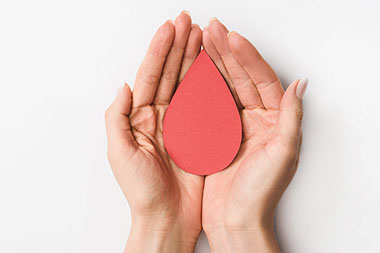
    Close up of hands holding a piece of paper shaped as a blood drop.

    Every day, people need life-saving blood transfusions. These transfusions are possible because people donate their blood. Despite the need for donated blood, many people are afraid to donate. They may have fears about the process, needles or even their own health. Get the facts about blood donation so you can make an informed decision.

    More than 4 million lives are saved each year because of blood donations.

    Q: Is blood donation safe?

    A: Yes. Each donation uses a new, sterile needle that is thrown away after one use. You may also be given a quick health check to be sure you’re healthy enough to donate. This may include taking your temperature, blood pressure and pulse.

    Q: What if I don’t like needles?

    A: Many people have a fear of needles. But blood donation is a quick process that can help save up to three lives. Facing your fears can mean the world to another person. Try listening to relaxing music, deep breathing or reading a book during your donation. Drinking fluids before donating will make donation easier and faster.

    Q: Will I faint afterward?

    A: Some people feel lightheaded after donating blood. But most people feel fine afterward. If this concerns you, you can have a few extra minutes to sit or lie down. You can also lower the risk of this happening by eating a healthy meal before your donation and drinking at least 16 ounces of water. When you feel well enough, slowly sit up. Blood donation only takes about 1/10th of the blood from your body. Your body replaces this lost blood quickly.

    Q: Don’t they only need rare blood types?

    A: Sometimes there is a public appeal for certain blood types. But all blood types are needed and valuable. If you don’t know your blood type, you can find out after your donation.

    If you have any health conditions, you can ask your doctor whether blood donation is right for you.

    Source: American Heart Association

    © American Institute for Preventive Medicine
  • Blood Donation

    Medical Care

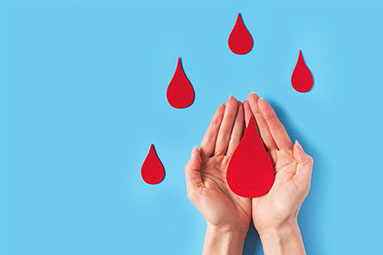
    Hands cupped together holding a red paper shaped as a blood drop.

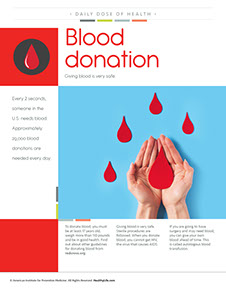
    Giving blood is very safe.

    Every 2 seconds, someone in the U.S. needs blood. Approximately 29,000 blood donations are needed every day.

    To donate blood, you must be at least 17 years old, weigh more than 110 pounds and be in good health. Find out about other guidelines for donating blood fromredcross.org.

    Giving blood is very safe. Sterile procedures are followed. When you donate blood, you cannot get HIV, the virus that causes AIDS.

    If you are going to have surgery and may need blood, you can give your own blood ahead of time. This is called autologous blood transfusion.

    A Year of Health Hints book by the American Institute for Preventive Medicine. www.HealthyLife.com. All rights reserved.

    © American Institute for Preventive Medicine
  • Getting Kids To Donate Old Toys

    FAMILY LIFE

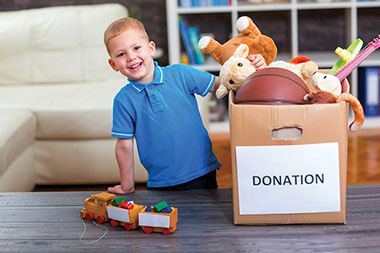
    Image of happy child placing toys in donation box.

    After the holidays, many families find their house overrun with toys. If your kids received new toys as gifts and have old toys they don’t use anymore, consider donating the toys to families in need.

    Unfortunately, it’s not always easy to do this. Many parents find that children struggle to give up old toys. Even if they haven’t touched it in months, they may be unwilling to give the toy away.

    The American Academy of Pediatrics suggests these tips to get kids on board:

    *Make giving a part of family life.Try volunteering for a local charity as a family throughout the year. Talk to the kids about causes you support.

    *Talk to the kids about ways to give.Talk to your child about local charities that could use their old toys. A church nursery, children’s shelters, a child care center, and children’s hospitals are just a few options.

    *Ask for the kids’ help.Take some time to sort through old toys with your child. Try the “give one, keep one” approach so they can decide for themselves what stays and what goes.

    *Only donate toys that are safe, not broken, and clean.

    Tips for teaching gratitude to kids

    *Do small things for friends or neighbors.Have your children bring fresh food to a neighbor who lives alone, or help them rake leaves without asking for anything in return.

    *Talk to them about what they are thankful for each day.This can help parents too.

    *Say “thank you” to others whenever appropriate.This helps them learn by following your example.

    *Send thank-you notesand teach kids to send them after receiving birthday or holiday gifts.

    *Have them do age-appropriate chores.This gives kids an idea of all the work it takes to keep a household running.

    © American Institute for Preventive Medicine