Tag: drill

  • How To Save Your Life In A House Fire

    Home Safety

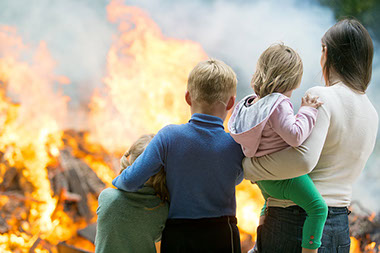
    Image of mother and children in front of a house fire.

    Knowing how to react fast in a house fire can save your life and the lives of those you love. Here are some guidelines to follow.

    *  Keep the phone number of your local fire department clearly posted near all telephones in the house. (Try to memorize the number, in case you have to use a neighbor’s phone.) Use 911! where the service is available.

    *  Prearrange a plan for family members to follow in case of fire. Conduct fire drills using your escape route.

    *  If you live in a two-story house, purchase and install an emergency escape ladder and practice using it.

    *  If a fire breaks out, don’t stop to collect personal possessions. Get people out of the house!

    *  If you can’t get to within 10 to 12 feet of a fire, you can assume it’s too big to handle on your own. Call the fire department immediately. (Call them for small fires, too.)

    *  If you try to put out the fire, make sure you can get to an exit. Don’t back yourself into a corner.

    *  Smother a fire thoroughly and keep it covered so it doesn’t ignite again. The fire department will determine if the fire has been contained or if it has spread.

    *  If you fail to extinguish the fire and smoke is accumulating, get out of the house quickly!

    Poisonous gases and smoke are often more dangerous than flames. (Smoke rises, so remember to “stay low and go.” Crawl if you must. And if you can, place a wet towel over your face to filter out smoke and fumes.)
    A Year of Health Hints book by the American Institute for Preventive Medicine. www.HealthyLife.com. All rights reserved.

    © American Institute for Preventive Medicine
  • National Preparedness

    WELL-BEING

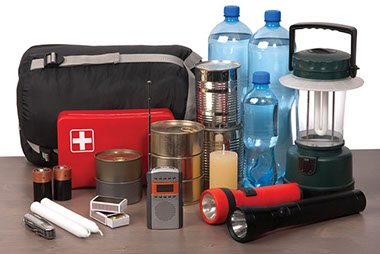
    Image of emergency kit.

    Floods, tornadoes and hurricanes are common stories in the news. Would you and your family be ready for these weather disasters and other unexpected events, such as a house fire or a terrorist attack?

    The Federal Emergency Management Agency (FEMA) in the US Department of Homeland Security wants you to learn what you need to do to be prepared for a variety of disasters. Its website,www.ready.gov, takes you through the following steps to make preparation easier:

    *  Be informed

    *  Make a plan

    *  Build a kit

    *  Get involved

    Each of these areas covers what to do when you are at home, as well as other locations. These include workplaces, schools, and college campuses. You will also find out ways to address caring for pets, aiding family members with access and functional needs and safely shutting off utilities.

    Pre-financial disaster planning is also important. Disasters leave many people without access to finances or with expensive damages. Learn what documents, such as your house deed and insurance policies to keep in a safety deposit box or other safe place away from your home. Make copies of important documents and keep them in your emergency kit or an emergency financial first aid kit (EFFAK). Get a complete list of what to put in the EFFAK fromwww.fema.gov/media-library/assets/documents/29791.

    The Centers for Disease Control and Prevention has many resources and tools to help you be prepared for disasters. Access these fromwww.cdc.gov/features/beready.

    Some disasters strike without warning, so get started today to be prepared.

    © American Institute for Preventive Medicine