Tag: early detection

  • Health Screenings Can Save Lives

    Medical Exams

    Smiling doctor.

    You take your children for regular health checkups to protect their health. You, too, need preventive health screenings to increase your chances of living a longer and healthier life. For example:

    *  A colonoscopy can find and remove polyps. These overgrowths of tissue on the lining of your colon may turn into cancer.

    *  Cervical cancer can be prevented nearly 100 percent of the time with regular screenings and early treatment, if needed.

    *  Schedule health screenings you need this year. Write when you will have these.

    *  Don’t use excuses, such as “I don’t have time” or “That illness doesn’t run in my family” to keep you from getting health screenings you need.

    Approximately one half of all cancer deaths may be prevented by not smoking, staying at a healthy weight, eating nutritious foods, and being physically active.

    ays to Well-Being book by the American Institute for Preventive Medicine. www.HealthyLife.com. All rights reserved.

    © American Institute for Preventive Medicine

  • Prevent Colorectal Cancer

    Cancer

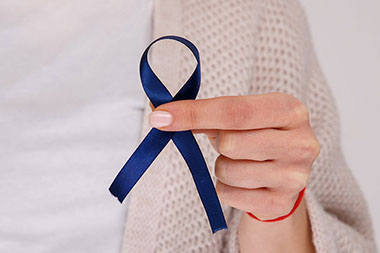
    Hand holding blue ribbon for colon cancer awareness.

    Get recommended screenings for colorectal cancer to remove any pre-cancerous tumors before they turn into cancer. Screenings can also find cancer early when treatment is more successful.

    What’s your risk?:Discuss with your doctor your risk level and which type of screening is best for you. Screening is recommended to begin at age 45 for average risk people.

    Eat wisely:Eat a diet with plenty of vegetables, fruits and whole grains, and low in red and luncheon meats.

    Be active:Get at least 150 minutes of moderate physical activity every week.

    Limit alcohol:If you drink alcohol, limit your intake to no more than two drinks a day for men and one drink a day for women.

    Health at Home Lifetime book by the American Institute for Preventive Medicine. www.HealthyLife.com. All rights reserved.

    © American Institute for Preventive Medicine

  • Breast Cancer Awareness

    SELF-CARE CORNER

    Image of a group of women wearing pink shirts, smiling with thumbs up.

    During the month of October, many organizations, groups and individuals across the world increase awareness of breast cancer and raise funds to research the disease and find a cure.

    Breast cancer is the second most common kind of cancer in women. About 1 in 8 women born today in the United States will get breast cancer at some point. The good news is that many women can survive breast cancer if it’s found and treated early.

    *  If you are a woman age 40 to 49, talk with your doctor about when to start getting mammograms and how often to get them.

    *  If you are a woman age 50 to 74, be sure to get a mammogram every 2 years. You may also choose to get them more often.

    Risk factors for breast cancer in women include:

    *  Increasing age

    *  Changes in BRCA1, BRCA2, and other cancer genes

    *  Personal history of breast cancer or a mother or sister has or had breast cancer

    *  Dense breast tissue (shown on a mammogram)

    *  Certain abnormal breast changes that are not cancer. These changes are found during a breast biopsy.

    *  Radiation therapy to the chest before age 30

    *  Never giving birth or having a first full-term pregnancy after age 30. Never breast-fed  a baby.

    *  Being obese or overweight after menopause

    *  Hormone therapy (estrogen plus progestin) after menopause

    *  Alcohol-the more used, the greater the risk.

    *  Lack of physical activity throughout life

    Talk to a doctor about your risk for breast cancer, especially if a close family member of yours had breast or ovarian cancer. Your doctor can help you decide when and how often to get mammograms.

    FYI

    The third week of October is Male Breast Cancer Awareness Week. Though rare, men can get breast cancer too. For men, the lifetime risk of being diagnosed with breast cancer is about 1 in 1,000. Yearly, about 450 men in the U.S. die from breast cancer. Men should look for and report a lump or other change in a breast to their doctors.

    © American Institute for Preventive Medicine

  • The Facts About Breast Cancer Screening

    MEDICAL NEWS

    Image of 4 women with arms around each other smiling and laughing.

    Breast cancer is the most common cancer in women after skin cancer. About 1 in 8 women in the U.S. will get breast cancer during her life. One of the best things you can do for yourself is learn when and how to get screened for breast cancer.

    A mammogram can help save lives.

    Mammograms do not prevent breast cancer. But, they are the best way to find breast cancer early, when it is easier to treat. Mammograms can detect breast cancer before you can see it or feel it. Finding breast cancer in its early stages may reduce a person’s risk of dying by  30 percent or more.

    Breast self exams alone aren’t enough.

    Experts say that breast self-exams (BSEs) cannot take the place of a mammogram. Although women should see their doctors if they notice any changes in their breasts, studies say that BSEs alone are not enough to catch breast cancer early.

    Each woman’s mammogram schedule may be different.

    Women who have a family history of breast cancer or other risk factors may need to start getting yearly mammograms at a younger age. Women who don’t have risk factors may begin getting mammograms in their 40s or later. It’s important to talk with your doctor to find out when you should start getting mammograms.

    If you’re not sure when you should get a mammogram, talk with your doctor. Together, you can create a breast cancer screening schedule that is right for you.

    © American Institute for Preventive Medicine