Tag: easy

  • Diet Changes: Simple And Doable

    HEALTHY EATING

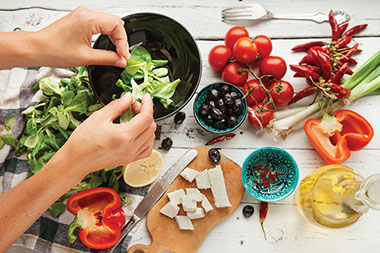
    Hand over table with bowls of different, healthy ingredients.

    If you try a complete diet overhaul at once, you may get overwhelmed. You can make it easier by not doing too much at once. Focus on one or two things you want to change and stick with those.

    Keep comfort foods, but tweak them

    Many people think they must give up all their favorite foods to be healthy. But if you have comfort foods you enjoy, this can cause even more stress. Here’s how to keep them while eating healthy:

    *Eat them less often.Aim to eat your comfort food once a week, rather than every day. Come up with healthier options to replace the comfort food.

    *Take a smaller portion.Put a smaller portion on your plate and eat it slowly. Enjoy the smell and taste of each bite, truly savoring it.

    *Modify the recipe.Switch out high fat and high calorie ingredients in your recipes. Use low-fat or fat-free dairy products instead of whole milk and cream. Use vegetable noodles instead of white pasta. All those little changes add up.

    Keep it simple

    If you’re already under stress, following an extreme diet plan could backfire. It could cause more stress, which could lead to frustration and more stress.

    Instead, celebrate one or two small victories each day. Write down when you snacked on fresh carrots instead of potato chips. Or you had a glass of water instead of soda. Whatever you did to make your diet a little bit better is a step in the right direction.

    Looking at the positive things you have accomplished may be the boost you need during times of stress. When you have slip-ups or bad days, don’t view it as a “failure.” It doesn’t mean all your healthy eating plans are over. Instead, forgive the mistake and look forward to a better and healthier day tomorrow.

    Source: Centers for Disease Control and Prevention
    © American Institute for Preventive Medicine
  • Make A Healthy, Filling Snack With Hummus

    HEALTHY EATING

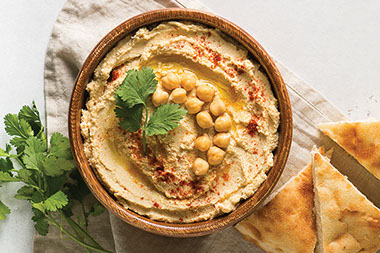
    A bowl of hummus.

    Hummus is a dip and spread that originated in the Middle East. But today, it’s popular in many parts of the world. It’s made with chickpeas, tahini (ground sesame seeds), garlic and spices.

    Hummus is vegan, but even meat-eaters can enjoy this spread. Hummus is a good source of plant-based protein. It’s also high in fiber,  B vitamins, magnesium and iron. And because it’s a great source of fiber, hummus helps keep you feeling fuller longer.

    If you don’t like plain hummus, you can make it many different ways. Some people add garlic, black beans or red peppers. But you can sweeten it up with sweet potato, pumpkin or even dark chocolate!

    Hummus is a healthy, satisfying dip that you can use in place of cheese and cream-based dips. Try it with tortilla strips, whole wheat crackers or on sandwiches.

    Many stores carry pre-made hummus. If you want to make your own, here’s how:

    Ingredients

    *  2 cups garbanzo beans, cooked (chickpeas)

    *  2 cloves garlic (minced)

    *  1/4 cup lemon juice

    *  1 tablespoon sesame tahini (sesame paste)

    *  2 tablespoons olive oil

    Directions

    1. Mash the garbanzo beans until smooth (if you have a blender, put the beans and lemon juice into it and blend).

    2. Add the garlic, lemon juice, tahini and oil. Mix well.

    Nutrition Facts: 6 servings. Calories 157; Total fat 8 g; Saturated fat 1 g; Sodium 138 mg; Total fiber 5g; Protein 6 g; Carbohydrates 18 g.

    Source: U.S. Department of Agriculture Choose My Plate

    © American Institute for Preventive Medicine
  • Recipe: 2-Step Chicken

    HEALTHY EATING

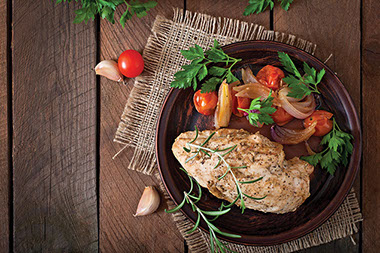
    Plate with cooked chicken breast with a side of cooked tomatos and onion.

    Ingredients

    *  1 tablespoon vegetable oil

    *  2 boneless chicken breasts

    *  1 can cream of chicken soup (10 ounces)

    *  dash of pepper

    *  1/2 cup water

    Directions

    *  Heat oil in a skillet at a medium-high setting.

    *  Add chicken and cook for ten minutes.

    *  Remove chicken from pan and set aside.

    *  Stir the soup and water together in the skillet and heat it to a boil.

    *  Return the chicken to the skillet. Reduce the heat to low and simmer for an additional 10 minutes, or until the chicken reaches an internal temperature of 165°F.

    Nutrition Facts: Servings 4; Calories 181; Total fat 10 g; Saturated fat 2 g; Sodium 537 mg; Total fiber 0; Protein 12 g; Carbohydrates 5 g.

    Source: U.S. Department of Agriculture

    © American Institute for Preventive Medicine
  • Recipe: Salad With Pears

    HEALTHY EATING

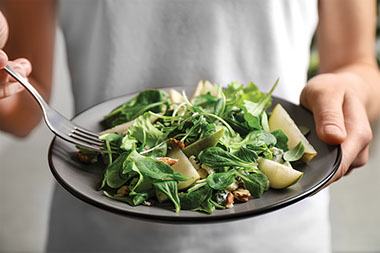
    Plate of salad with pears.

    Ingredients

    For the Salad:

    *  2 canned pear halves

    *  6 cups mixed greens

    *  1/2 tablespoon Parmesan cheese

    *  1-1/3 cups carrots, grated

    *  3 tablespoons walnuts

    For the Dressing:

    *  1/4 cup pear juice

    *  1/4 teaspoon each of cider vinegar, honey, dijon mustard, and olive oil

    *  1 dash salt and black pepper

    Directions

    1.  For the dressing, mix pear juice, vinegar, honey, mustard, salt and pepper, and olive oil in a blender and blend until smooth.

    2.  Put mixed greens in a large mixing bowl, drizzle dressing over greens, and mix together.

    3.  Add remaining chopped pear, walnuts, and grated carrots and toss lightly.

    4.  Portion out 1 cup of salad and top with grated Parmesan cheese.

    Nutrition Information: Serves 6: Total calories 64, total fat 3g, saturated fat 0g, sodium 86 mg, carbohydrates 10g, fiber 2g, protein 2g.

    Source: MyPlate.gov

    © American Institute for Preventive Medicine
  • Slow Cooker Tips For Busy Days

    HEALTHY EATING

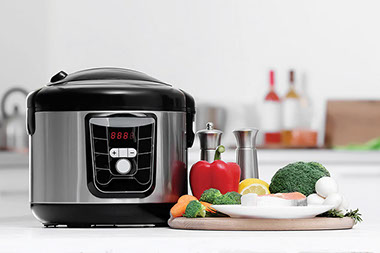
    Slow cooker on counter.

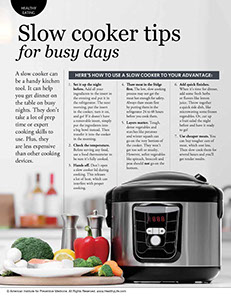
    A slow cooker can be a handy kitchen tool. It can help you get dinner on the table on busy nights. They don’t take a lot of prep time or expert cooking skills to use. Plus, they are less expensive than other cooking devices.

    Here’s how to use a slow cooker to your advantage:

    1.Set it up the night before.Add all your ingredients to the insert in the evening and put it in the refrigerator. The next morning, put the insert in the cooker, turn it on, and go! If it doesn’t have a removable insert, simply put the ingredients into a big bowl instead. Then transfer it into the cooker in the morning.

    2.Check the temperature.Before serving any food, use a food thermometer to be sure it’s fully cooked.

    3.Hands off.Don’t open a slow cooker lid during cooking. This releases a lot of heat, which can interfere with proper cooking.

    4.Thaw meat in the fridge first.The low, slow cooking process may not get the meat hot enough for safety. Always thaw meats first by putting them in the refrigerator 24 to 48 hours before you cook them.

    5.Layers matter.Tough, dense vegetables and starches like potatoes and winter squash can go on the very bottom of the cooker. They won’t get too soft or mushy. However, softer vegetables like spinach, broccoli and peas should not go on the bottom.

    6.Add quick finishes.When it’s time for dinner, add some fresh herbs or flavors like lemon juice. Throw together a quick side dish, like microwaving some frozen vegetables. Or, cut up a fruit salad the night before and have it ready to go!

    7.Use cheaper meats.You can buy tougher cuts of meat, which cost less. Then slow cook them for several hours and you’ll get tender results.

    © American Institute for Preventive Medicine
  • Easy Snack Substitutions

    HEALTHY EATING

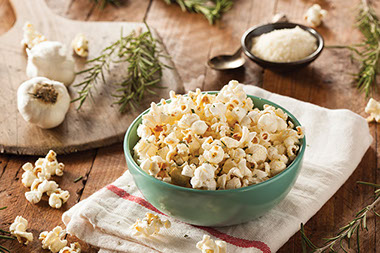
    Image of popcorn in a bowl.

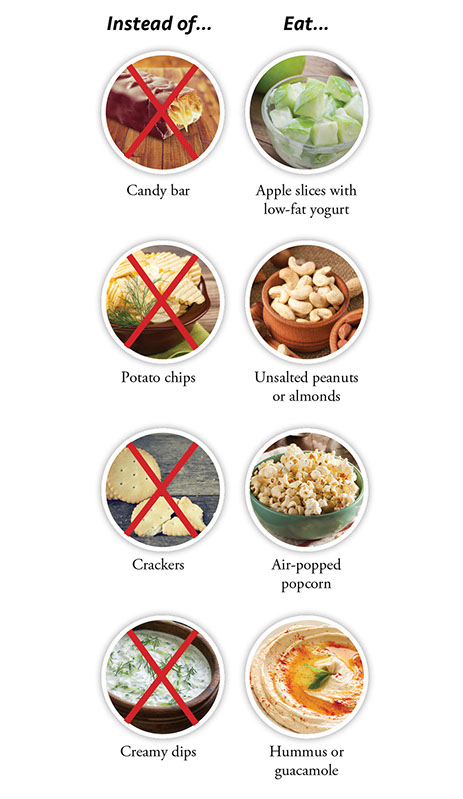
    Skip the vending machine and processed foods when you need to fill up between meals. Try these alternatives to everyday unhealthy snacks:

    © American Institute for Preventive Medicine
  • Simple Workouts For Beginners

    BE FIT

    Image of young African American women with dumb bells.

    Anyone can exercise and enjoy its healthy perks! Here’s how to get started:

    *Check with your doctor first.If you haven’t exercised in the past or have health conditions, ask your doctor for tips before you start.

    *Get your arms and legs moving.This means you’ll get your heart pumping too. Choices include walking, running, swimming, biking or dancing.

    *Warm up for five to ten minutes.Try gentle stretches, and start at a slower pace for these few minutes.

    *Aim for 30-60 minutes of activity each time.Break it up into smaller amounts of time if needed. For instance, two 15-minute walks can be done instead of one 30-minute walk.

    *Don’t overdo it.If you don’t feel well, or you have pain or nausea, stop.

    *Try strength training.Working your muscles with weights, or at-home exercises like push-ups, squats, and sit-ups can help your bones and muscles stay strong. Ask a trainer at the gym or your doctor for help if you’re not sure what’s safe for you.

    *Cool down when you’re finished.Don’t stop exercising suddenly. Instead, slow down for the last five to ten minutes. Follow up with more stretching while your muscles are warm.

    Source: American Academy of Family Physicians

    © American Institute for Preventive Medicine