HEALTHY EATING

Many people enjoy outdoor eating throughout the spring and summer. But don’t let unsafe food rain on your picnic. Food poisoning can happen when food is not kept at the right temperature during barbecues and outings. Dangerous bacteria can grow on the food and make people sick.
Luckily, there are some simple precautions you can take to be sure your picnic food stays safe to eat.
Clean hands
If you’re using a picnic site without running water and soap, bring your own. A large jug of water, some soap and paper towels will work.
If you don’t have a jug of water, use antibacterial hand wipes. Encourage everyone to clean their hands before eating, after using the bathroom and before serving food.
Hot and cold
One of the keys to eating safe food is to keep hot foods hot and cold foods cold. Don’t let food become just warm or room temperature.
The “danger zone” for bacteria to grow is between 40 and 140 degrees. If food stays at this temperature for two hours, bacteria can grow rapidly. If it’s hot outside (90 degrees or above), food can become unsafe after just one hour in the danger zone.
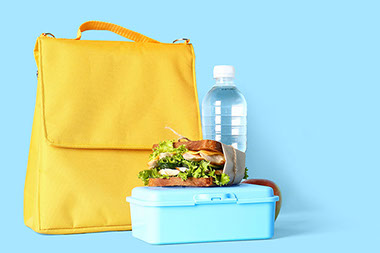
To keep food cold, use ice packs or fresh, clean ice. Check it often to be sure the ice is still cold. Try to avoid opening the cooler too often.
To keep hot foods hot, use insulated containers and microwaveable heat packs. Keep children away from hot containers or heat packs.
Dishes and utensils
If you’re using a grill, you may need to place raw meat, poultry or seafood on the grill. But be careful about what that raw food touches.
Don’t reuse a plate or utensils that touched raw meat, poultry or seafood. Germs from the raw food can contaminate the cooked food and cause illness. Wash all the dishes and utensils in hot, soapy water before using them again.
Wash produce before you go
Before you pack your picnic basket, wash any fresh fruits or vegetables. This will ensure they are clean when you are ready to eat.
Source: Food and Drug Administration
© American Institute for Preventive Medicine