Tag: efficiency

  • 10 Minutes Of Fitness

    BE FIT

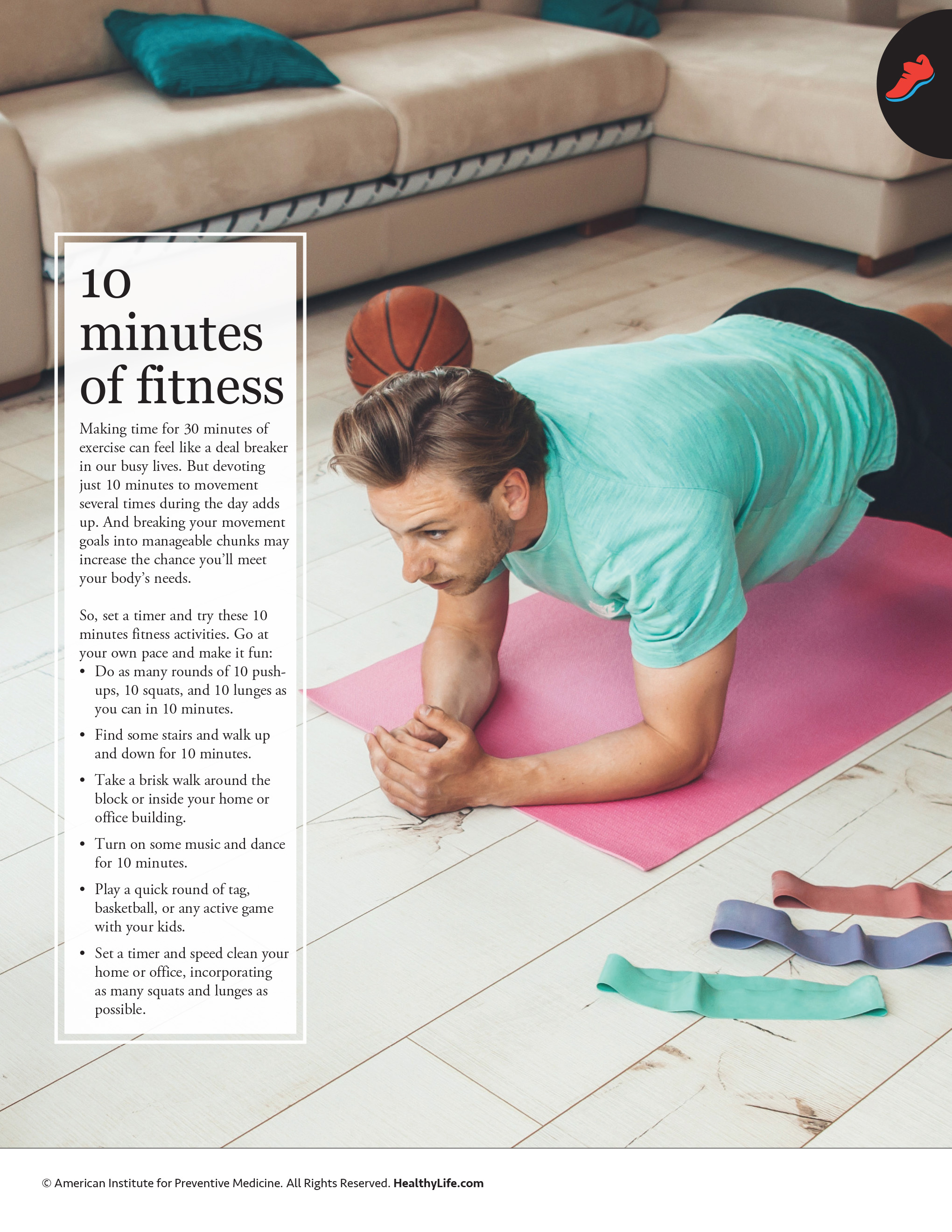
    Man working out at home.

    Making time for 30 minutes of exercise can feel like a deal breaker in our busy lives. But devoting just 10 minutes to movement several times during the day adds up. And breaking your movement goals into manageable chunks may increase the chance you’ll meet your body’s needs.

    So, set a timer and try these 10 minutes fitness activities. Go at your own pace and make it fun:

    *  Do as many rounds of 10 push-ups, 10 squats, and 10 lunges as you can in 10 minutes.

    *  Find some stairs and walk up and down for 10 minutes.

    *  Take a brisk walk around the block or inside your home or office building.

    *  Turn on some music and dance for 10 minutes.

    *  Play a quick round of tag, basketball, or any active game with your kids.

    *  Set a timer and speed clean your home or office, incorporating as many squats and lunges as possible.

    © American Institute for Preventive Medicine

  • Manage Your Time

    Healthylife® Weigh

    Part 5

    Couple on a walk.

    Incorporate more movement into your daily activities. Take the stairs, park farther away from the building, and get up to stretch every hour. Also, plan at least 30 minutes each day, most days of the week, to engage in moderate-to-intense exercise. Add exercise to your daily schedule.

    Decrease Time Wasters

    If you feel time is a barrier for you, look at how you spend your time now. Keep a time log for a full day. Block off chunks of time when you sleep and are at work or school. Write down how much time you spend getting ready to go places, preparing food, relaxing, doing household chores, watching TV, or browsing social media.

    *  Decrease time spent watching TV or browsing social media. Set limits for yourself. Record shows so you can skip through commercials.

    *  Prepare meals ahead of time. Make more than one meal at once.

    *  Get help from others, especially with household chores and meal preparation.

    It may not be practical to make changes in all areas or plan physical activity every day. Start by taking small steps, such as being active on a weekend day or getting up a little earlier one morning to walk around the neighborhood.

    © American Institute for Preventive Medicine

  • Master Food Prep

    Healthylife® Weigh

    Part 3

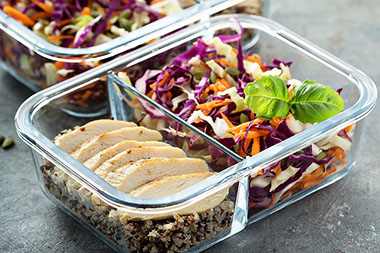
    Healthy meal prep with quinoa and chicken.

    Food preparation does not need to take a lot of time. The more you prepare food, the better you will get at being efficient in the kitchen!

    1. Make double batches of dinner meals. Freeze individual portions in airtight containers. Label with the date and what it is.

    2. Buy pre-cut vegetables, either fresh or frozen.

    3. Keep a supply of foods on hand that can be stored for weeks or months, such as brown rice, quinoa, whole grain pasta, frozen and canned vegetables, beans, tuna, oils, and spices.

    4. Cut up fruits and vegetables and store them in individual bags or containers for easy, grab-and-go snacks. Dry anything you have washed by laying it on a towel. This will help prevent mold.

    5. Freeze berries or sliced and peeled bananas. They can be easily added to smoothies or pancakes.

    Tips for Nibbling Cooks

    Be aware of how much you eat while cooking. A taste here and there can help you check for flavor, such as when seasoning a soup. Too many nibbles can add up to a lot of extra eating in your diet.

    *  Have a small snack before you start cooking, like a piece of fruit or raw veggies and hummus.

    *  Chew sugar-free gum with xylitol, which does not cause tooth decay.

    *  Brush and floss your teeth before you cook.

    *  Sip water every time you are tempted to snack on the meal you are preparing.

    *  Sit down when you eat. Use utensils for all items you eat.

    © American Institute for Preventive Medicine

  • Is Multitasking Really Helpful?

    WORK LIFE

    Concept image of man running with laptop.

    It seems that today’s world is built for multitasking. With smartphones and tablets, you can check your email, surf the web, and chat from nearly anywhere. And at work, you may be typing while on a conference call or checking messages during a meeting.

    But the American Psychological Association (APA) says this culture of multitasking could actually be harmful, not helpful. The brain is only capable of doing one thing at a time, and therefore, multitasking in itself is not truly possible. Your brain actually switches back and forth between tasks when you think you’re multitasking, says the APA. This process of switching costs you time, and can make you less efficient.

    In addition, Harvard Medical School says multitasking leads to errors and mistakes at work. Maybe you’re shifting back and forth between activities or thinking about something else (like the dinging of your smartphone) while you’re supposed to be doing a task. As a result, you may be more likely to miss details or forget to do things.

    So how do you break the multitasking habit? Find your main sources of distraction and put them aside. If your smartphone is the problem, try putting it in the next room or out of sight while you work on a task. At the very least, silence alerts you don’t need right away such as emails and text messages.

    If the beeping of your email at work is keeping you from focusing on your task at hand, consider closing your email program and only checking it at designated times.

    Cutting out the main sources of distraction can help you stay focused and productive at work or at home.

    © American Institute for Preventive Medicine

  • Kitchen Shortcuts For Faster Homemade Meals

    HEALTHY EATING

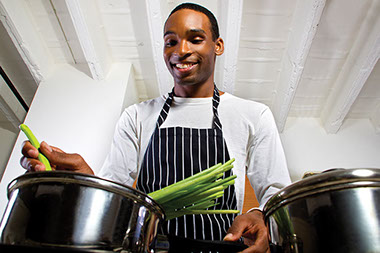
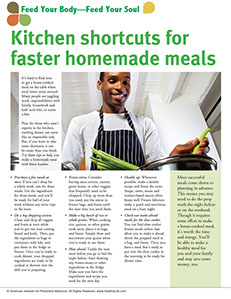
    Image of man prepping food in the kitchen.

    It’s hard to find time to get a home-cooked meal on the table when meal times come around. Many people are juggling work, responsibilities with family, housework and kids’ activities, to name a few.

    Plus, for those who aren’t experts in the kitchen, cooking dinner can seem like an impossible task. But, if you learn to take some shortcuts, it can be easier than you think. Try these tips to help you make a homemade meal with fewer hassles:

    *Purchase a few meals at once.If you can’t shop for a whole week, aim for three meals. Get the ingredients for those meals, and you’ll be ready for half of your week without any extra trips to the store.

    *Do a big chopping session.Clean and chop all veggies and fruits at once while you’ve got out your cutting board and knife. Then, put the ingredients in bags or containers with lids, and put them in the fridge or freezer. Once you’re ready to cook dinner, your chopped ingredients are ready to be cooked or thrown into the dish you’re preparing.

    *Freeze extra.Consider buying extra onions, carrots, green beans, or other veggies that frequently need to be chopped. Chop up more than you need, put the extras in freezer bags, and freeze until the next time you need them.

    *Make a big batch of rice or whole grains.When cooking rice, quinoa, or other grains, cook extra, place it in bags, and freeze. Simply thaw and microwave your grains when you’re ready to use them.

    *Plan ahead.Tackle the next meal before you go to bed the night before. Start thawing any frozen meats or other ingredients in the fridge. Make sure you have the ingredients and recipe you need for the next day.

    *Double up.Whenever possible, make a double recipe and freeze the extra. Soups, stews, meats and tomato-based sauces often freeze well. Frozen leftovers make a quick and nutritious meal on a busy night.

    *Check out make-ahead meals for the slow cooker.You can find slow cooker freezer meals online that allow you to make it ahead, throw the prepped meal in a bag, and freeze. Then, you have a meal that’s ready to put into the slow cooker in the morning to be ready for dinner time.

    Most successful meals come down to planning in advance. This means you may need to do the prep work the night before or on the weekend. Though it requires some effort to make a home-cooked meal, it’s worth the time and energy. You’ll be able to make a healthy meal for you and your family and may save some money, too.

    © American Institute for Preventive Medicine