Tag: energy

  • How Walking Can Change Your Life

    BE FIT

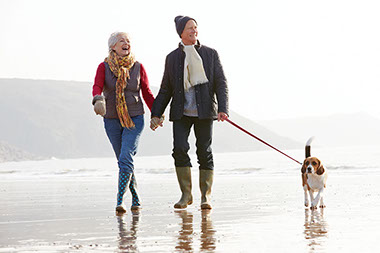
    Image of couple and pet dog walking along beach.

    Many people don’t exercise because they believe it takes too much time or money. They may think they need to spend an hour at the gym each day to get healthier. These myths could be standing in the way of a healthier life.

    Exercise is a universal way to improve health. We know that physical activity can reduce the risk of heart disease, diabetes and even cancer. It also boosts energy levels and can help you sleep better. But there’s another benefit to exercise that many people may not know about: better mental health.

    If you are thinking about being more active, a walking program is a tried and true favorite form of physical activity. As an exercise, walking is easy to begin and maintain. Plus, it needs no special skills or expensive equipment, and can be done year-round, outdoors and indoors.

    For those who thought they didn’t have time to walk or exercise, there’s good health news. Even a small amount of exercise can help you feel better mentally by reducing feelings of depression and anxiety, and improving cognition.

    Getting a treadmill: Questions to ask

    Treadmills have been a mainstay in gyms for years. Many people also get one for their homes. They’re simple to use and can adjust to your fitness level. But should you buy one? Here’s what to consider:

    How much money do you want to spend?

    A new treadmill can cost hundreds – or even thousands – of dollars. But many people can get used treadmills for a fraction of the cost. If you buy a used one, make sure to test it first to be sure it works. Ask the seller if they have the instruction manual.

    Can you do other indoor exercise?

    You don’t need a treadmill to get a good workout inside. You can turn on music and dance or use a fitness video or interactive game. Consider how many days per year you would need the treadmill because of bad weather. Then, weigh that against the cost.

    Will it “work”  for you?

    Do your research before making the investment. Check out online reviews of the exact treadmill you’re considering. Find out if it’s good for running, walking or both. Will it work with your height? Taller people often need a longer treadmill belt.

    Source: Centers for Disease Control and Prevention

    © American Institute for Preventive Medicine
  • Go With The Grain

    HEALTHY EATING

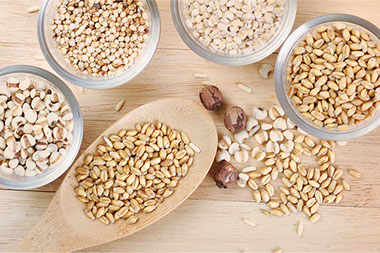
    Image of different grains.

    With one look down the grocery store aisle or a quick glance at a restaurant menu, it’s clear that whole-grain options are popping up everywhere. From quinoa to buckwheat and farro to freekeh, the number of grain possibilities is growing, leaving home cooks and diners puzzled by how to choose the right one and know how to prepare it.

    Not only do whole grains provide an array of health benefits, they can also be an excellent base for hearty dishes that taste great and are remarkably filling. Whether featured in a salad, formed into a patty as a vegetarian burger option, warmed up for breakfast, or used as the base of a thick stew, grains are extremely versatile and can be enjoyed as part of breakfast, lunch, dinner or dessert.

    Although cooking with grains can seem like a daunting task, the chef instructors at Le Cordon Bleu encourage home cooks to soak their long-cooking grains, whether for a few hours or overnight, to minimize the cooking time. This also ensures that any resin left on the grain that can cause a bitter taste will get washed off.

    They also suggest these cooking tips:

    *  Whole-grain options can be customized for each meal of the day. Make a big batch of steel-cut oats on Sunday evening and eat it for breakfast throughout the week. Add quinoa to lunchtime salads-add the dressing in advance so the grain fully absorbs the flavors of the dish. For dinner, add wheat berries or barley to soups for a hearty, filling meal.

    *  Resist the urge to stir grains as they are cooking. Stirring causes whole grains, especially rice, to become sticky and clump together, making it difficult to prepare a fluffy, flavorful dish.

    *  After they are cooked, whole grains stay fresh for several days in the refrigerator. You can cook a large pot of brown rice or quinoa at the beginning of the week and use it in dishes throughout the week to save cooking time.

    © American Institute for Preventive Medicine

  • How Physical Activity Works

    BE FIT

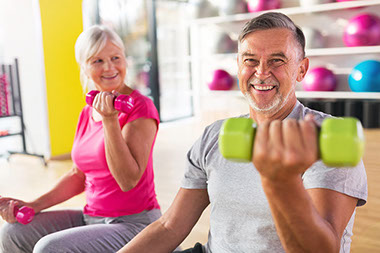
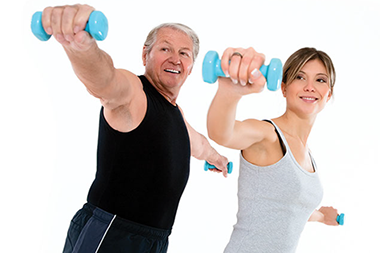
    Image of couple using dumb bells.

    No, this is not another article about why you should be active. This information tells you how exercise works to keep you healthier.

    The concept to understand is called overload. And according to the government’s Physical Activity Guidelines for Americans, overload is the physical stress placed on your body when your physical activity is greater in amount or intensity than usual.

    The body responds and adapts to these stresses (say, a Zumba class). For example, aerobic activity places stress on your heart and lungs and muscles. Your lungs are required to move more air and the heart pumps more blood and delivers it to working muscles. This increase in demand increases the efficiency of your lungs, heart, your entire circulatory system, and your muscles.

    Muscle-strengthening exercise overloads muscles and bones in the same way-making them stronger.

    Also tied to the idea of overload is the principle of progression. Once you reach a certain fitness level, you progress to higher levels of physical activity by continued overload and adaptation. These small and progressive changes help your body adapt to the additional stresses while minimizing your risk of injury.

    © American Institute for Preventive Medicine
  • How To Use Food To Boost Your Energy

    HEALTHY EATING

    Image of business man eating a salad and cracker at his desk.

    Do you hit an afternoon slump every day? Are you feeling drained despite getting enough sleep? Take a look at your food.

    In general, healthy foods like fruits, vegetables and whole grains will keep your energy levels higher than processed or junk foods. But there are some ways you can use those good foods to boost your energy even more:

    *Eat enough calories.Very strict diets can zap your energy if you’re not eating enough. Healthy weight loss should not exceed one to two pounds per week. If you’re losing much more than that, you may feel tired and could be skipping important nutrients. Women should eat at least 1,200 calories and men should eat at least 1,500 calories per day.

    *Avoid candy and sugary treats.These foods may give you a quick boost of energy, but your body will quickly process the sugar. Then, you’ll feel more tired than before.

    *Eat between meals.Many people find they need small snacks throughout the day to keep their energy up. Keep the snacks small and light, such as a small serving of nuts or fruit.

    *Drink water.Even mild dehydration can make you tired. Aim for eight glasses of water per day. You may need more if you’re exercising or sweating.

    *Don’t overeat during meals.Do you ever feel like taking a nap after a big lunch? Avoid this by eating a moderate sized meal, and stopping when you start to feel full.

    *Don’t rely on “energy bars.”Many of these bars contain as much sugar as a dessert, as well as processed ingredients. Instead, opt for food with protein, healthy fats and whole grains to keep you satisfied.

    Source: Harvard Medical School and Centers for Disease Control and Prevention

    © American Institute for Preventive Medicine

  • Improve Your Mood With Exercise

    BE FIT

    Image of older women walking on bridge along a lake.

    You probably know that exercise has many health benefits. It can reduce your risk of heart disease, type 2 diabetes, and even cancer. But, did you know it can also help your mental health?

    Studies have shown that regular exercise such as walking can improve your mood, according to the American Psychological Association. And it doesn’t take long to feel the effects. Within just a few minutes of starting that walk, many people report more positive mental health. It has also been shown to improve mild to moderate depression.

    If that’s not enough, the APA also says exercise can help people who have anxiety. Regular exercise can help your body calm the “fight-or-flight” feelings that occur when someone gets anxious or overly stressed. And, it can help combat everyday stress by releasing chemicals called endorphins. These effects also help you sleep better, which can help you feel better mentally.

    With all the benefits of exercise, get moving!

    © American Institute for Preventive Medicine

  • Iron In Foods: Why It Matters

    HEALTHY EATING

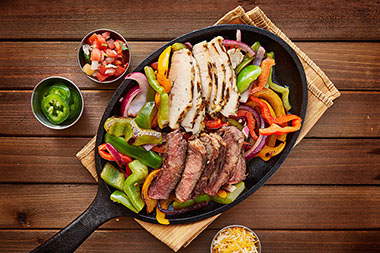
    Image of grilled chicken and steak.

    People need iron because it transports oxygen to the body’s organs and tissues. The body uses iron to make new red blood cells. It’s also important for healthy cells, skin, hair and nails.

    Eating foods that contain iron is important. This is the main way most people get the iron they need.

    Iron deficiency: a common problem

    Iron-deficiency anemia means you don’t have enough iron in your body. It is the most common nutritional deficiency in the U.S. It affects more women than men. Causes of iron-deficiency anemia include:

    *  Not getting enough iron from foods

    *  Digestive health problems such as celiac disease, Crohn’s and ulcerative colitis which don’t allow the body to absorb iron well

    *  Heavy menstrual periods

    *  Stomach bleeding, which may be caused by an ulcer or using aspirin, ibuprofen or naproxen for long periods of time

    *  Losing too much blood from surgery, frequent blood tests or an injury

    Low iron can be serious

    If iron levels get too low, a person may have an increased risk of:

    *  Depression

    *  Heart problems

    *  Infections

    Pregnant women who have low iron may deliver their baby too early. Sometimes the baby doesn’t grow as much as they should.

    Children who don’t get enough iron can have problems with learning, thinking and developing their motor (movement) skills.

    © American Institute for Preventive Medicine

  • Energy, Learning, And Focus

    Healthylife® Weigh

    Part 5

    Senior couple exercising in gym.

    Improved Energy Levels

    Exercise helps transport oxygen and nutrients to your tissues. When your heart and lungs are working more efficiently, you have more energy to work, do daily chores, keep up with active kids, and have fun.

    Improved Ability to Learn

    Exercise increases production of cells in the brain responsible for memory and learning. Exercise can help with decision-making and higher-level thinking. Exercise also helps increase brain volume and reduce the number and size of age-related holes in the brain. This decreases the risk for dementia and Alzheimer’s.

    Improved Focus

    Exercise that requires hand-eye coordination or quick foot work helps your brain cells grow. These exercises, like tennis or basketball, may improve your concentration skills better than more simple exercises, like riding a stationary bike.

    © American Institute for Preventive Medicine

  • Oatmeal: A Good Choice For A Power Breakfast

    HEALTHY EATING

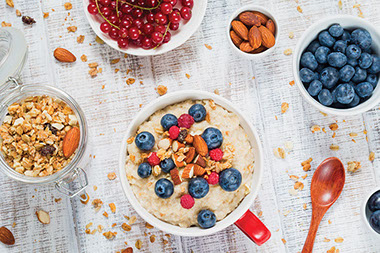
    Image of a bowl of oatmeal with berries and almonds.

    You probably already know that oatmeal is healthy, and perhaps you’ve been told it “sticks to your ribs.” But what’s the science behind oatmeal’s healthy history?

    Oatmeal can keep you full

    Avoid a mid-morning hunger attack, and you’ll be less tempted to pick up a donut. Oatmeal contains a special kind of fiber known as oat beta glucan. These beta glucans can increase levels of certain hormones that may help control appetite.

    Oatmeal helps digestion

    Oatmeal’s soluble fiber content is widely recommended to help keep bowels running smoothly. Regular intake of fiber-rich foods, like oatmeal, can help avoid bloating and uncomfortably hard stools.

    Oats can improve cholesterol

    High cholesterol is a major risk factor for heart disease. Studies have shown that eating oats regularly can lower “bad” LDL cholesterol due to its oat beta glucan fiber.

    Even if you eat a gluten-free diet, oats can be a healthy choice. They contain B vitamins and magnesium, which may be lacking in many people who don’t eat gluten. Look for oats labeled “gluten free” to avoid any gluten contamination that could happen during processing.

    Tips if you don’t like oatmeal

    Oatmeal can be eaten a variety of ways, so don’t rule it out if you haven’t enjoyed it in the past. Far beyond apple cinnamon and other sugary flavor packets often found in the supermarket, you can try it savory, add it to other foods, or even eat it for dinner!

    Consider these ideas:

    *  Add oats to turkey burgers or meatloaf to stretch your meat further and add health benefits

    *  Sprinkle oats over baked apples for a healthy “apple crisp”

    *  Use oats in casseroles or dinner rolls

    Sources: Oldways Whole Grains Council, Academy of Nutrition and Dietetics

    © American Institute for Preventive Medicine

  • Weight Loss & Metabolism

    Healthylife® Weigh

    Part 7

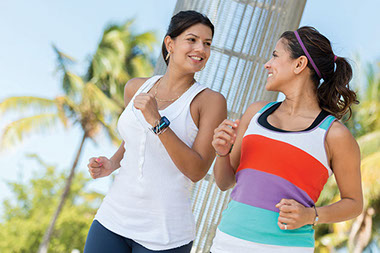
    Two women power walking together.

    As you have learned throughout this guide, losing weight can result in many positive changes for your body. One change, however, can make it tougher to maintain weight loss. When you lose weight, the body’s natural reaction is to conserve energy by slowing your metabolism.

    Your metabolism may be slower than before you lost weight.

    *  Your body changes to make it difficult to lose more weight.

    *  Your body changes to make it easier to put on weight.

    Without changing your habits and lifestyle around food and exercise, being overweight can become a chronically relapsing condition. You may feel caught in a cycle of gaining and losing weight repeatedly. This pattern can be very hard on the body and mind.

    You are not doomed to gain weight once you have worked hard to lose it. While a slower metabolism can make it harder, you have built many strengths to make this challenge easier.

    *  Easier to exercise (e.g., less joint pain, improved heart and lung function, more energy)

    *  More muscle tissue (this increases your metabolism)

    *  Enjoy an increased variety of healthy foods

    *  Stronger social support

    *  Kinder view of self and body image

    *  Strengthened values

    © American Institute for Preventive Medicine