Tag: environment

  • How Your Surroundings Affect Your Health

    WELL-BEING

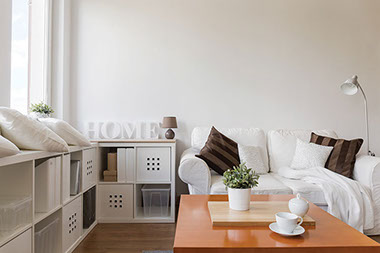
    Clean organzied room.

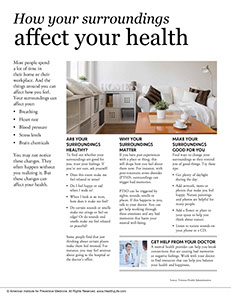
    Most people spend a lot of time in their home or their workplace. And the things around you can affect how you feel. Your surroundings can affect your:

    *  Breathing

    *  Heart rate

    *  Blood pressure

    *  Stress levels

    *  Brain chemicals

    You may not notice these changes. They often happen without you realizing it. But these changes can affect your health.

    Are your surroundings healthy?

    To find out whether your surroundings are good for you, trust your feelings. If you’re not sure, ask yourself:

    *  Does this room make me feel relaxed or tense?

    *  Do I feel happy or sad when I walk in?

    *  When I look at an item, how does it make me feel?

    *  Do certain sounds or smells make me cringe or feel on edge? Or do sounds and smells make me feel relaxed or peaceful?

    Some people find that just thinking about certain places make them feel stressed. For instance, you may feel anxious about going to the hospital or the doctor’s office.

    Why your surroundings matter

    If you have past experiences with a place or thing, this will shape how you feel about them now. For instance, with post-traumatic stress disorder (PTSD), surroundings can trigger bad memories.

    PTSD can be triggered by sights, sounds, smells or places. If this happens to you, talk to your doctor. You can get help working through these emotions and any bad memories that harm your mental well-being.

    Make your surroundings good for you

    Find ways to change your surroundings so they remind you of good things. Try these tips:

    *  Get plenty of daylight during the day.

    *  Add artwork, items or photos that make you feel happy. Nature paintings and photos are helpful for many people.

    *  Add a flower or plant to your space to help you think about nature.

    *  Listen to nature sounds on your phone or a CD.

    Get help from your doctor

    A mental health provider can help you break connections that are causing bad memories or negative feelings. Work with your doctor to find resources that can help you balance your health and happiness.

    Source: Veterans Health Administration
    © American Institute for Preventive Medicine
  • Reduce Environmental Risk Factors For Chronic Diseases

    Personal Safety

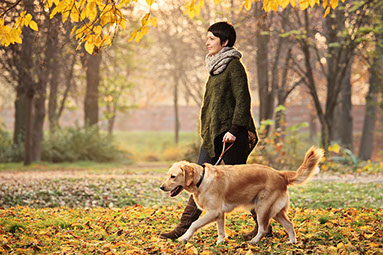
    Women walking dog.

    Chronic diseases include arthritis, asthma, cancer, diabetes, heart disease, emphysema, multiple sclerosis, Parkinson’s disease, and stroke. An unhealthy diet, inactivity and overweight, and tobacco use are common risk factors for many chronic diseases.

    *  Live a healthy lifestyle. Be active. Walk. Rake leaves.

    *  Limit exposure to air pollution to reduce the risk for problems with asthma, heart disease, stroke, emphysema and other respiratory diseases.

    *  Choose organic foods. Pick apples at an apple orchard. Enjoy the fruits of your labor.

    *  Reduce exposure to pesticides. Chronic, low-dose exposure to pesticides has been linked to Parkinson’s disease (PD), brain tumors, lymphomas, asthma, and birth defects. Pesticides are in lawn and garden sprays, insect repellants, flea collars, and non-organic foods. Find out about earth-friendly fertilizers from a fertilizer specialist at your local Extension Office. Ask your vet how to keep your pet from getting fleas without the use of pesticides.

    *  Use a digital or ear thermometer. Find out what to do about mercury spills, disposal, and cleanup fromepa.gov/mercury/spills/index.htm.

    A Year of Health Hints book by the American Institute for Preventive Medicine. www.HealthyLife.com. All rights reserved.

    © American Institute for Preventive Medicine

  • Reduce Indoor Air Pollution For A Healthier Home

    Home Safety

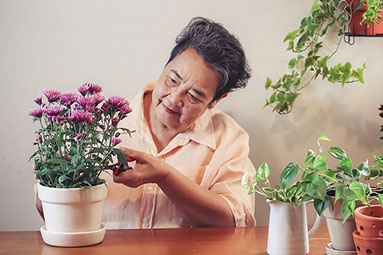
    Women tending to her plants.

    *  Do not smoke. Do not allow smoking in your house.

    *  Open windows as much as you can to let fresh outdoor air in.

    *  Live clean and green. Use baking soda, vinegar, plain soap, etc. and/or 100 percent biodegradable products that do not have chlorine, phosphates, and dyes. Paint with zero-or low volatile organic (VOC) compound paints. Use products with the EPA’s “Design for the Environment (DfE)” on the label. Find out more fromepa.gov/dfe.

    *  Have green houseplants, such as Boston ferns and spider plants. These absorb indoor air pollutants.

    *  Choose energy-efficient products, such as ones with an ENERGY STAR. Find out about these fromenergystar.gov.

    *  To help eliminate gases, odors, chemicals and particles, put an air filter or electronic air cleaner on your furnace. Or use a portable air purifier and/or a vacuum that has a HEPA filter.

    *  To limit mold growth, keep your house clean, dry, and well ventilated.

    A Year of Health Hints book by the American Institute for Preventive Medicine. www.HealthyLife.com. All rights reserved.

    © American Institute for Preventive Medicine
  • Lessen Environmental Connections To Cancer

    Cancer

    Man collecting water samples from a water creek.

    *  Don’t smoke. Avoid secondhand smoke.

    *  Get your house tested for radon – the number 2 cause of lung cancer after smoking. You can buy a radon test kit from a hardware store.

    *  Take harmful waste products, such as empty aerosol cans; leftover paint, paint chips and thinners; and unused fertilizers and pesticides to a local hazardous waste drop-off site. Search for one near you atearth911.org.

    *  Restrict the use of pesticides, which are all toxic to some degree. Use nontoxic products to treat and maintain your lawn. Find ways to greenscape your lawn and yard fromepa.gov.

    *  Wear sunscreen (SPF of 30 or higher) and clothing to protect your skin from harmful UV rays.

    *  Get to and stay at a healthy weight. Eat plenty of plant-based foods: vegetables, fruit, whole grains, beans, lentils, nuts, and seeds. Avoid or limit alcohol to 1 drink a day (women and over 65) or 2 drinks a day (men).

    Health at Home Lifetime book by the American Institute for Preventive Medicine. www.HealthyLife.com. All rights reserved.

    © American Institute for Preventive Medicine
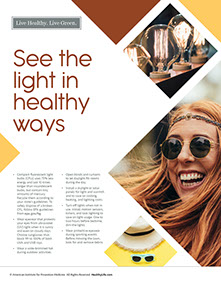
  • See The Light In Healthy Ways

    Eye Conditions

    Women wearing sunglasses with a huge smile.

    *  Compact fluorescent light bulbs (CFLs) uses 75% less energy and last 10 times longer than incandescent bulbs, but contain tiny amounts of mercury. Recycle them according to your state’s guidelines. To safely dispose of a broken CFL, follow EPA guidelines fromepa.gov/hg.

    *  Wear eyewear that protects your eyes from ultraviolet (UV) light when it is sunny and even on cloudy days. Choose sunglasses that block 99 to 100% of both UVA and UVB rays.

    *  Wear a wide-brimmed hat during outdoor activities.

    *  Open blinds and curtains to let daylight fill rooms during the day.

    *  Install a skylight or solar panels for light and warmth and to save on cooling, heating, and lighting costs.

    *  Turn off lights when not in use. Install motion sensors, timers, and task lighting to save on light usage. One to two hours before bedtime, dim the lights.

    *  Wear protective eyewear during sporting events. Before mowing the lawn, look for and remove debris.

    Health at Home Lifetime book by the American Institute for Preventive Medicine. www.HealthyLife.com. All rights reserved.

    © American Institute for Preventive Medicine
  • Alter Your Eating Cues

    Healthylife® Weigh

    Part 4

    Rye sandwich with ricotta, herbs and basil.

    Eating cues are things that prompt you to eat. They come from links your brain has made between eating and other events. When done over and over again, the event itself triggers eating. Some examples of events that trigger eating are:

    *  Morning coffee breaks: Doughnuts, sweet rolls

    *  Watching football on TV: Potato chips, beer

    *  Shopping at the mall: Big cookies, soft pretzels, soda, specialty coffee

    *  Going to a movie: Buttered popcorn, soda, candy

    *  Going out to celebrate: Large meals, desserts, alcoholic beverages

    *  Attending sporting events: Beer, hot dogs, nachos with cheese, peanuts

    Focus on triggers that you face most often and that lead you to eat foods high in added sugar, saturated fat, and/or sodium.

    It is possible to break these links. The more you practice a new behavior, the stronger it becomes. You may want to replace eating with a non-eating behavior. Or, you may want to practice choosing a healthier food or drink at that time.

    Ways to Alter Eating Cues

    *  Eat a snack before going somewhere (including out to eat).

    *  If allowed, bring your own healthy snack.

    *  Bring or buy a “fun-sized” or small portion of the treat you are craving (if available).

    *  Eat meals and snacks in one specified place at home, such as the kitchen or dining room table.

    *  Never eat while standing-always be seated.

    *  Do no other activity, such as watching TV, while eating.

    *  Try to eat meals at the same time each day.

    *  Take along bottled water and high fiber snacks to places that trigger high-calorie drinking and eating.

    *  Take a walk break instead of a morning coffee break.

    *  Avoid walking by places that tempt you to eat while you shop.

    *  Go to places, be with people and/or do things not associated with eating.

    *  Take longer to eat a meal.

    *  Use utensils to eat.

    *  Put your fork or spoon down between bites.

    *  Chew & swallow each bite before taking another one.

    *  Take sips of water between bites.

    *  Split a meal or snack with someone else.

    © American Institute for Preventive Medicine
  • Set Yourself Up For Success

    Healthylife® Weigh

    Part 5

    Man running along hiking trail.

    Create a consistent routine for yourself. Reduce the number of excuses you can make. Tips for creating an exercise habit:

    *Seize your moment.Be aware of when your motivation to exercise is high. You may prefer mornings over evenings. Or, the opposite. Plan to exercise when you are more likely to be physically and mentally on board with it.

    *Get ready ahead of time.Pack a bag with clothes, shoes, deodorant, hair ties, a water bottle, a small towel, and other supplies you’ll need. When exercise comes up on your calendar, all you have to do is grab the bag.

    *Get ready for round 2 ahead of time.Have several days’ worth of workout clothes clean and ready to go. Store workout clothes together so it is easy to re-fill your gym bag. Make it easier to repeat your habit.

    *Commit to repeating your routine.Join a recreational sports team, sign up for a class, or pay for a personal training package. Even if you are not feeling up to it one day, having it on the schedule may get you there.

    *Be accountable to someone.Commit to meeting a friend for exercise at a certain time. Get a workout buddy and swap shoes. If you don’t show up, they won’t be able to work out either! Or, commit to logging your workout on social media or with a friend.

    *Be patient.It may take time to find an activity you like. It may take even longer to feel like it is a normal part of your day to exercise. Keep going. You’ll get there!

    © American Institute for Preventive Medicine

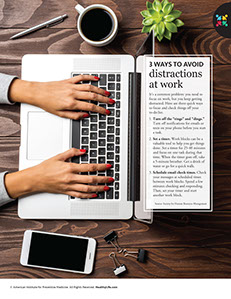
  • 3 Ways To Avoid Distractions At Work

    WORK LIFE

    Close up of hands typing on laptop keyboard.

    It’s a common problem: you need to focus on work, but you keep getting distracted. Here are three quick ways to focus and check things off your to-do list.

    1. Turn off the “rings” and “dings.” Turn off notifications for emails or texts on your phone before you start a task.

    2. Set a timer. Work blocks can be a valuable tool to help you get things done. Set a timer for 25-40 minutes and focus on one task during that time. When the timer goes off, take a 5-minute breather. Get a drink of water or go for a quick walk.

    3. Schedule email check times. Check your messages at scheduled times between work blocks. Spend a few minutes checking and responding. Then, set your timer and start another work block.

    Source: Society for Human Resource Management

    © American Institute for Preventive Medicine