Tag: essentials

  • Get More Of These 4

    HEALTHY EATING

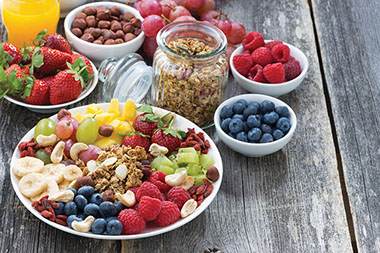
    Dishes filled with berries, nuts and fruits.

    The 2015-2020 Dietary Guidelines for Americans state that four nutrients are a “public health concern.” Many people are not getting enough:

    *  Calcium

    *  Fiber

    *  Potassium

    *  Vitamin D

    Try these tips to get more:

    1.  Eat more vegetables, fruits and legumes. These foods are rich sources of fiber and potassium. High-fiber bran cereal and shredded wheat also pack a fiber punch.

    2.  Eat more yogurt and drink milk. Both are good sources of calcium, potassium and vitamin D. Avoid sweetened yogurt. Instead, buy plain yogurt and add fresh fruit.

    3.  Eat seafood that’s high in vitamin D. This includes salmon, trout, whitefish, herring and tuna. Pregnant and nursing women should ask a doctor how much seafood they can eat.

    4.  Consider healthy foods that have vitamin D added, like soy milk, orange juice, dairy products and cereals.

    © American Institute for Preventive Medicine

  • Healthy Pregnancy Checklist

    Pregnancy & Prenatal Care

    You can do a lot of things to improve the chance of having a healthy pregnancy. And you should not do some other things! Knowing what to do and what to avoid will help you and your baby stay well.

    *  Ask your health care provider before you take any medicines, even ones you can buy without a prescription.

    *  Go to all your prenatal health care visits.

    *  Don’t drink alcohol, take drugs, or smoke. When you drink alcohol, smoke, or take drugs, your baby does, too!

    *  Have a routine for exercise. Follow your health care provider’s advice.

    *  Eat healthy foods.

    *  Take your prenatal vitamins (vitamin pills) every day. These also supply the minerals you need.

    *  Get plenty of rest.

    *  Wash your hands throughout the day.

    *  Accept all your emotions. Express your feelings to others.

    *  Learn to deal with stress. Experts think stress may limit blood supply to the placenta. The placenta is the baby’s only source of oxygen and nutrients.

    *  Don’t have X-rays unless your prenatal health care provider says it’s okay.

    *  Avoid harmful chemicals such as paint fumes, insect poisons, and weed killers. Ask your health care provider what else you should avoid.

    *  When you use cleaning agents, wear rubber gloves. Make sure there is plenty of fresh air.

    *  Don’t wear high-heeled shoes.

    *  Don’t pick up, carry, or move heavy objects.

    *  Stay out of hot tubs and saunas. When you bathe, use warm water only. Never use hot water. Put a rubber mat in the tub or shower to prevent slipping.

    *  Don’t handle cat feces or cat litter. If you have a cat, have someone else empty the litter box. Cat droppings can carry a disease called toxoplasmosis. (Eating meat that is not cooked enough can cause this, too.) If a pregnant woman gets this disease, the baby can be harmed. It’s okay to pet your cat.

    *  Don’t have any contact with hamsters, guinea pigs or any rodents. These animals can carry a virus that can cause severe harm to your baby.

    *  Discuss your work life with your health care provider. Find out if it is healthy for you and your baby.

    *  Find out if you should limit or stop having sex. Bleeding or pain during sex could be reasons. Ask your health care provider.

    *  Always wear lap and shoulder seat belts when you ride in a vehicle. Fasten the lap belt as low as you can, below your belly.

    *  Are you going far from home late in your pregnancy? Have your health care provider refer you to a provider in the area where you are going. Take a copy of your prenatal records with you.

    *  When you travel:
    – By plane or train, get up and walk around every now and then. Get an aisle seat.

    – By car, stop at least every 2 hours and do the same.

    Prenatal Self-Care book by the American Institute for Preventive Medicine. www.HealthyLife.com. All rights reserved.

    © American Institute for Preventive Medicine

  • Self-Care Medicines & Supplies For Children

    Children’s Health

    Here is a list of medicines and other things you should keep at home.

    *  Store items in a handy, dry place, but out of children’s reach.

    *  Check the expiration dates often. Throw away and replace outdated items.

    *  Find out what kind and how much of each medicine you can give your child. Ask your child’s doctor. Ask the pharmacist. Read and understand the medicine’s label. Brand names are often listed. Store brands are just as good.

    Over-the-Counter Medicines

    *  Acetaminophen. An example is Children’s Tylenol®. Or have ibuprofen. Examples are Children’s Advil® and Children’s Motrin®. Stock the right kind for your child’s weight.

    *  Antihistamine tablets or syrup. An example is Benadryl®.

    *  Cough medicine. Ask your child’s doctor which one(s) you should stock.

    *  Decongestant tablets or liquid. Do not give to children under 2 years old. An example is Dimetapp®.

    Basic Supplies

    *  Antibiotic ointment.

    *  Antiseptic ointment or wipes.

    *  Bandages of different sizes.

    *  Eye dropper.

    *  Medicine spoon & dropper.

    *  Cold pack.

    *  Cotton-tipped swabs.

    *  Elastic wrap and closures.

    *  Flashlight.

    *  Roll of adhesive tape.

    *  Rubbing alcohol.

    *  Sterile gauze pads and a roll of gauze.

    *  Sunscreen with an SPF of 15 or higher.

    *  Thermometer (digital or ear).

    *  Tongue depressor.

    *  Toothache medicine. An example is Anbesol®.

    *  Tweezers.

    *  Vaporizer (cool mist).

    Children's Self-Care book by the American Institute for Preventive Medicine. www.HealthyLife.com. All rights reserved.

    © American Institute for Preventive Medicine