Tag: esteem

  • Address Insecurity

    Healthylife® Weigh

    Part 6

    Man and dog outside.

    Focus on things that you can do well. List at least 5 things in your life that you are proud of. Examples include raising a family, earning a degree, getting promoted at work, increasing your bowling average, and having a garden!

    How can you improve these skills further? Set realistic goals to do this!

    Spend time with people who make you feel loved and secure. Build a list of places you can go where you feel comfortable.

    Spend Time with Animals

    Spend time with a pet. Volunteer at a shelter. Spend time with a friend or family member’s pet. Go to a pet store, or look at adopting a rescue animal. Spending time with a pet can:

    *  Decrease production of cortisol, a stress hormone that can put you on edge and make you ill over time.

    *  Increase serotonin, which helps you feel relaxed and happy.

    *  Help you feel secure. Pets, especially dogs, can love unconditionally and may sense when you need extra support. Some pets are trained to help you manage certain emotions, like anxiety.

    Stand Tall

    Change your posture, whether you are sitting or standing. Changing your posture can help you change your point of view.

    Power Stance: Plant your feet firmly, shoulder-width apart. Take a deep breath and pull your shoulders back, stretching your upper chest forward. Place your hands on your hips.

    This can help you feel respected and powerful. Appreciate your own power and what you are capable of doing. Feel respect for yourself.

    Stand or sit in this pose for a few minutes before a challenge, such as an emotional conversation or job interview. Use this  tool for addressing your inner critic or self-defeating thoughts.
    © American Institute for Preventive Medicine
  • Hair Loss: More Than Skin Deep

    WELL-BEING

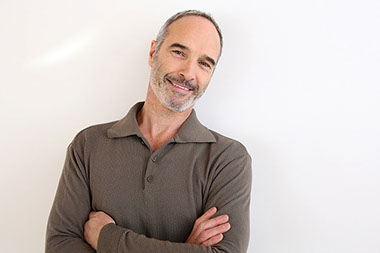
    Image of man with thining hair.

    Hair loss is a common issue among men and women alike. The U.S. National Library of Medicine says about 50 million men and 30 million women have some degree of hair loss or baldness. Most of the time, this is due to hereditary hair loss.

    Sometimes, however, hair loss is a sign of a health problem. Hair loss can sometimes be caused by:

    *  Thyroid problems

    *  Diabetes

    *  Low iron in the blood (anemia)

    *  Prostate cancer in men

    *  High blood pressure (hypertension)

    *  Polycystic ovary syndrome (PCOS) in women

    Hair loss doesn’t always mean you have a serious illness. Sometimes hair falls out for a little while and then starts to grow back. Some of the reasons this happens include:

    *  Hair breakage from chemicals like perms and hair color

    *  Hairstyles that pull on the hair, such as tight ponytails and braids

    *  A stressful event, such as a death in the family

    *  Stress on the body from major surgery, childbirth or some illnesses

    *  Brushing hair too hard or too often

    *  Some prescription medicines, including those for arthritis, cancer, depression, gout, heart disease and high blood pressure

    *  Hormone changes, such as during pregnancy or menopause

    If you notice sudden hair loss, it’s important to find out the cause. If you notice large amounts of hair falling out when combing or washing your hair, or thinning or bald spots, make an appointment with your doctor.

    Common hair loss treatments

    Knowing the cause of your hair loss is the first step to treatment. For instance, if iron levels are low, your doctor may recommend an iron supplement. Treatments for common hereditary hair loss include:

    *  Topical minoxidil (brand name Rogaine, which can be purchased in stores)

    *  Finasteride (prescription medicine for men only)

    *  Topical or oral estrogen or other hormones (prescription for women only)

    *  Hair transplant surgery

    Source: American Academy of Dermatology

    © American Institute for Preventive Medicine