Tag: events

  • Sporting Events And Concerts

    Healthylife® Weigh

    Part 3

    Couple enjoying snacks at an outdoor event.

    Food courts and concession stands usually have very limited menus. Stadiums or arenas may not allow you to bring your own food or drink into the venue. Here are some tips to help you stick to your healthy goals:

    *  Eat before you go.

    *  Order water.

    *  Follow the fast food guidelines.

    *  Split a meal or snack with a friend.

    *  Choose treats wisely.

    *  Limit alcohol.

    What to do when no healthy choices are available:

    1. If you are hungry, eat something small. It may not be the healthiest choice, but it is important to listen to your body’s physical hunger cues.

    2. Drink water.

    3. Chew on sugar-free gum with xylitol.

    4. Make your next meal or snack a healthy one.

    5. Plan ways to make healthy choices for future events. If possible, eat a meal or have a healthy snack before the event. Plan to limit how much you will eat of items sold at the event.

    © American Institute for Preventive Medicine

  • Bounce House Dangers

    FAMILY LIFE

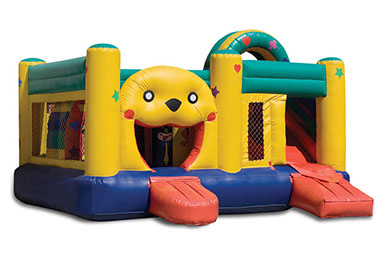
    Image of a bounce house.

    If your kids like to moonwalk and jump in those ever-present birthday-party experiences called bounce houses, know about these dangers. A child goes to the ER every 45 seconds because of bouncing injuries.

    Researchers at Nationwide Children’s Hospital say inflatable bouncers are the cause of a 15-fold increase in injuries to kids-mostly broken bones, strains and sprains but also head and neck injuries. The findings were published in Pediatrics.

    Injury patterns for inflatable bouncers are similar to those the docs see on trampolines, which have national safety guidelines. Bounce houses have no guidelines. So set your own rules.

    The researchers suggest parents should consider the risks before allowing their children to use an inflatable bouncer.If you allow your child to use an inflatable bouncer, limit use to children 6 years of age and older. Make sure an adult is there to supervise while the bouncer is in use and allow only one child on the bouncer at a time. If more than one child will be on the bouncer at the same time, the children should be about the same age and size.

    © American Institute for Preventive Medicine

  • National Safety Month

    WELL-BEING

    Image of worder wearing proper hard-hat and protective eye glasses.

    Each June, the National Safety Council celebrates National Safety Month. This year’s theme is “Safety: It takes all of us.” Join the Council and thousands of organizations across the country to reduce the risk of these key safety issues:

    Week 1: Prevent prescription drug abuse

    *  Ask your doctor about the risk of addiction when he or she advises prescription painkillers. Take these medicines only as prescribed.

    *  If you suspect a co-worker is abusing prescription drugs, contact your Employee Assistance Program or Human Resources. Signs of abusing these drugs include:

    –  Lack of focus or attention

    –  Poor judgment

    –  Missing work often

    Week 2: Stop slips, trips and falls

    *  Follow your workplace’s safety guidelines.

    *  Keep walkways and stairs free from clutter, water and other falling hazards.

    *  At home, use grab bars and safety mats in your tub and shower and next to the toilet.

    Week 3: Be aware of your surroundings

    *  Scan your area for potential hazards.

    *  Follow workplace safety rules for storing objects securely and safe use of machines.

    *  Pay attention at all times. Do not get distracted when working or when you walk, especially when using your cell phone.

    Week 4: Put an end to distracted driving

    When you are driving, focus on the road. Do not use your smartphone or cell phone for texting or talking. Hands-free talking does not make driving safer. Your mind is still sidetracked.

    *  The National Safety Council suggests that you change your voicemail greeting to something like: “Hi, you’ve reached (insert your name). I’m either away from my phone or I’m driving. Please leave a message.”

    *  Avoid other distractions, too. Examples are eating, talking to passengers, grooming, reading (including maps) and adjusting a radio, CD player, or MP3 player.

    Bonus week: Summer safety

    *  Limit exposure to the sun, especially between 10 a.m. and 4 p.m. Wear a broad-spectrum sunscreen with a sun protection factor (SPF) of 15 or higher, as directed. Wear a wide-brimmed hat and sunglasses that wrap around and block both UVA and UVB rays.

    *  Follow directions to use outdoor tools and the lawn mower safely.

    *  Drink plenty of water to help prevent heat-related problems.

    © American Institute for Preventive Medicine

  • Walking Off The Midway Munchies

    BE FIT

    Image of couple walking at a state fair with cotton candy.

    How far will you need to walk to burn off the calories of some of your favorite state fair foods? University of Nebraska Extension has it all calculated:

    *  Corn dog, large: 4.5 miles

    *  Cotton candy: 1.5 miles

    *  Fried candy bar on a stick: 4.5 miles

    *  Funnel cake, 6-inch diameter: 3 miles

    *  Soft drink, 32 oz.: 2.5 miles

    *  Sno-cone: 2.5 miles

    *  Soft pretzel: 3 miles

    So wear comfortable shoes and plan to walk off what you eat. But be prudent. Choose a small soft drink or bring along bottled water. Save your calories for the splurges. Split a funnel cake among friends; share that fried candy bar so everyone gets a bite. Limit yourself to one treat.

    © American Institute for Preventive Medicine

  • Work The Crowd

    WORK LIFE

    Image of business man smiling.

    Social gatherings, office parties, community events-they all give you an opportunity to enhance your professional image.

    But if you’re nervous about what to talk about in a crowd of strangers, Toastmasters International offers this advice to turn small talk into smart talk:

    *  Plan your topics. Think of 2 to 3 topics you can discuss with anyone.

    *  Keep it lighthearted. Avoid office gossip and controversial topics. Stay clear of topics related to sex, religion, and politics.

    *  Meet someone new. Take the first step to introduce yourself to the CEO. Or talk to someone new while waiting in the   food line.

    *  Spark a conversation. Ask open-ended questions about the person you’re getting to know.

    *  Listen attentively. Ask follow-up questions about the person or group you’re talking with. Listen more than you talk.

    *  Introduce others. Be sure to introduce a newcomer to those you’re talking with.

    *  Consider cultural differences. Take into account figures of speech, how you present humor, and personal space.

    *  Limit alcohol. Know your drink limit. If necessary, avoid alcohol altogether to keep your composure.

    © American Institute for Preventive Medicine