Tag: exams

  • Save On Eye Care

    Medical Care

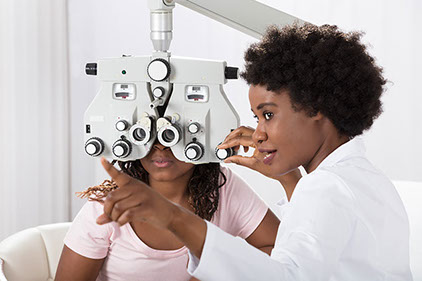
    Image of eye doctor with patient.

    “See” what you can do to get free or low cost vision care.

    Get a list of state and national resources for free and low-cost aid fromwww.nei.nih.gov/health/financialaid.asp.

    Eyeing eye care.

    It costs less to have an eye exam from an optometrist than an ophthalmologist. An optometrist (O.D.) is trained and licensed to examine eyes, prescribe lenses, and detect vision problems. Ophthalmologists are M.D.s. They can do everything optometrists do. They can also do surgery and prescribe medicines.

    Experience counts.

    If you are thinking about having surgery, etc. to correct your vision, find an eye surgeon who has a good record and approved equipment for the type of surgery you want to have. Ask your current eye doctor to recommend an eye surgeon. Don’t just use ads and low prices as your only factors in choosing an eye surgeon. It could cost you more in the long run.

    Get it in writing.

    When you get an exam for eyeglasses or contact lenses, get a copy of the prescription. Use it to get prices from different retail places, pharmacies, mail-order companies, and online sites.

    Check for coupons and discounts.

    Some retailers offer discounts, “buy one, get one free,” etc. You may also be able to get a discount on eyeglasses, etc. through membership with your auto insurance company, credit card program, and/or warehouse stores.
    Cover image to the Healthy Savings book by the American Institute for Preventive Medicine. www.HealthyLife.com. All rights reserved.

    © American Institute for Preventive Medicine
  • Simple Steps To Save Your Sight

    WELL-BEING

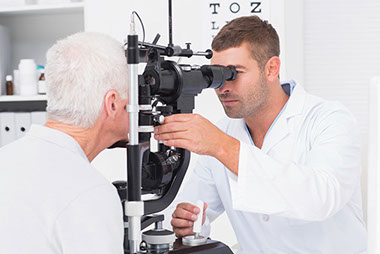
    Image of older male getting eyes checked by a doctor.

    Age-related macular degeneration (AMD) is the number one cause of blindness in older adults. AMD damages central vision, which means things like reading, driving and seeing faces are limited or impossible. There is no cure for AMD, but there are procedures and steps you can take to help save vision. Lower your risk of getting AMD with these tips:

    *Don’t smoke.Studies show that smoking increases the risk of AMD. Smokers are twice as likely to get AMD as nonsmokers. If you do smoke, take steps to quit.

    *Know your family history.People with a close relative who has AMD have a 50 percent chance of getting AMD. Detecting AMD early means you could save your vision.

    *Eat a healthy diet.People who eat omega-3 fatty acids, found in fatty fish, are less likely to get AMD. Also, focus on eating leafy greens such as spinach, kale and leafy lettuce. Eat plenty of whole fruits (not fruit juice).

    *Limit unhealthy fats and cholesterol.Eating a lot of saturated fat and cholesterol raises the risk of getting AMD. Avoid processed (packaged) foods with unhealthy saturated and trans fats.

    *Be active.Exercise may keep your eyes healthy. Exercising at least three times per week can reduce your risk of getting AMD.

    *See your eye doctor regularly.An eye doctor can catch AMD early with an eye exam. Find out how often you should have your eyes checked.

    *Protect your eyes from the sun.Always wear sunglasses that have 100 percent UV protection when you are outside. For additional coverage, wear a wide-brimmed hat.

    *Get regular checkups from your doctor.Keeping cholesterol, blood sugar and blood pressure under control also helps maintain healthy eyes.

    *Your vision is too important to leave to chance.A healthy lifestyle and good medical care can help you avoid AMD or catch it early, before it damages your sight.

    Sources: American Academy of Ophthalmology, American Macular Degeneration Foundation

    © American Institute for Preventive Medicine