Tag: Exercise Safety

  • Knees Hurt During Exercise?

    BE FIT

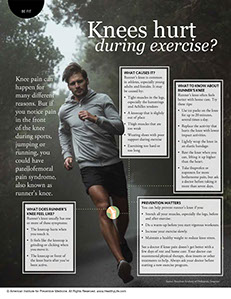
    Man running.

    Knee pain can happen for many different reasons. But if you notice pain in the front of the knee during sports, jumping or running, you could have patellofemoral pain syndrome, also known as runner’s knee.

    What does runner’s knee feel like?

    Runner’s knee usually has one or more of these symptoms:

    *  The kneecap hurts when you touch it.

    *  It feels like the kneecap is grinding or clicking when you move it.

    *  The kneecap or front of the knee hurts after you’ve been active.

    What causes it?

    Runner’s knee is common in athletes, especially young adults and females. It may be caused by:

    *  Tight muscles in the legs, especially the hamstrings and Achilles tendons

    *  A kneecap that is slightly out of place

    *  Thigh muscles that are too weak

    *  Wearing shoes with poor support during exercise

    *  Exercising too hard or too long

    What to know about runner’s knee

    Runner’s knee often feels better with home care. Try these tips:

    *  Use ice packs on the knee for up to 20 minutes, several times a day.

    *  Replace the activity that hurts the knee with lower impact activities.

    *  Lightly wrap the knee in an elastic bandage.

    *  Rest the knee when you can, lifting it up higher than the heart.

    *  Take ibuprofen or naproxen for more bothersome pain, but ask a doctor before taking it more than seven days.

    Prevention matters

    You can help prevent runner’s knee if you:

    *  Stretch all your muscles, especially the legs, before and after exercise.

    *  Do a warm-up before you start vigorous workouts.

    *  Increase your exercise slowly.

    *  Maintain a healthy weight to reduce knee stress.

    See a doctor if knee pain doesn’t get better with a few days of rest and home care. Your doctor can recommend physical therapy, shoe inserts or other treatments to help. Always ask your doctor before starting a new exercise program.

    Source: American Academy of Orthopedic Surgeons
    © American Institute for Preventive Medicine
  • Make Your Summer Workout Easier

    BE FIT

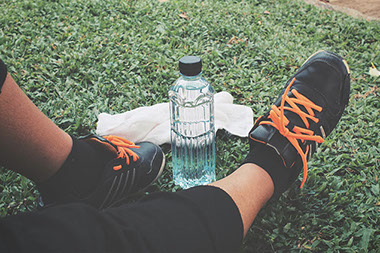
    Feet wearing tennis shoes and a bottle of water on grass.

    You can still enjoy a productive workout during the warmer months. Try these tips:

    1.Start early with water.Don’t wait to start drinking water right before you exercise. Drink water throughout the day to keep your body hydrated. Then, drink additional water during and after your workout.

    2.Go indoors when heat and humidity are too high.Don’t try to brave extreme weather with an outdoors workout. Heat exhaustion and heat stroke are dangerous and can happen to anyone. On heat advisory days, take your workout indoors.

    3.Wear the right clothes.Choose light-colored clothing that is made for sweating and workouts. Many new, lighter fabrics will keep sweat and moisture away, which makes you feel cooler. Cotton clothing is best suited for low-humidity weather conditions.

    4.Shun the midday sun.In the summer, limit or avoid heavy workouts from 10 a.m. to 4 p.m. The sun and temperatures will be hottest during these times. Instead, go out early in the morning or in the evening.

    Source: Academy of Nutrition and Dietetics

    © American Institute for Preventive Medicine

  • Tips For Exercise After Knee Replacement

    BE FIT

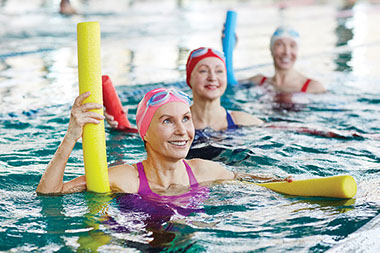
    Three older women doing water exercises.

    After a knee replacement, you may want to get back on your feet. Follow these tips when you’re ready to exercise again:

    *  Ask your doctor before you try any new exercise.

    *  Continue to do the exercises your doctor or physical therapist prescribed.

    *  Consider swimming, biking and walking, as they’re easy on the knees.

    *  Limit or avoid high-impact exercise like running, skiing or racquetball.

    Source: American Academy of Orthopaedic Surgeons

    © American Institute for Preventive Medicine
  • Tips For Joining A Gym

    BE FIT

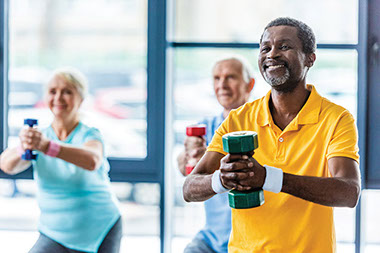
    Older adults using dumb bells in fitness class.

    A gym can be a great option if you like to work out indoors, but out of your house. And they can help you beat boredom if they offer classes and a variety of equipment. Before you join a gym, keep these things in mind:

    Ask the right questions

    The gym staff should allow people to visit and check it out before signing a contract. See if the equipment is clean and well-maintained. You should also ask:

    *  Do you have a membership limit? If they allow unlimited members, the gym could get very crowded at peak times. This could mean waiting in line to use equipment or full classes.

    *  Do classes cost extra? Some gyms include classes. Others charge a fee.

    *  Who are your instructors? Ask if the gym staff, teachers and trainers have fitness backgrounds.

    Pricing it out

    Many gyms have you sign a monthly or yearly contract. Think about how many times per week you will go to the gym. Then divide it up and see how much you will pay each time you work out.

    Find out if you are locked into a long-term contract. What is their cancellation policy?

    Good health is worth the cost of the gym – but only if you use it!

    YMCAs  often have discounted programs for seniors that may be covered as a Medicare benefit at no cost.

    Check out reviews

    Before signing up, search reviews of the gym on the Internet. See what others have to say about the gym’s staff, facilities and equipment.

    This is a good way to get some insider information before you move forward. And don’t let them pressure you into joining before you’re ready. Tell them, “I need to think about it” if you’re not sure yet. Then sleep on it for a day or two and check reviews – before you decide.

    Source: Federal Trade Commission

    © American Institute for Preventive Medicine
  • Too Tired To Exercise?

    BE FIT

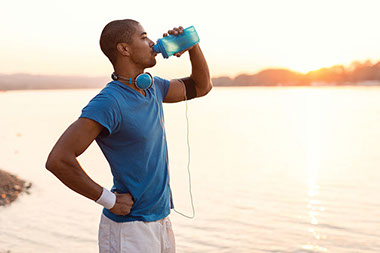
    Man standing by a body of water drinking out of a water bottle.

    Let’s face it: exercise takes some energy. And after work and other life responsibilities, many people are tired. This makes it hard to get up and start moving. But there are some ways to “trick” your body into thinking it has more energy, so you might have just enough to go for that walk or stop by the gym for a class. Here’s how to do it.

    Hydrate early

    Don’t wait until an hour or two before exercise to start drinking water. Do it at the start of the day, and continue all day long. Then, when it’s time to exercise, you won’t have to worry about dehydration and that sluggish feeling.

    Eat healthy carbs

    Carbs don’t have to be the enemy. Eat plenty of fruits, vegetables and whole grains. These give you energy right away, so try eating them about an hour before exercise.

    Don’t sit too long

    When you can, get up and stand or walk – even for a few minutes. Sitting all day can make you feel drained.

    Deep breaths

    A quick break for deep breathing or meditation can relieve stress and give you a mood boost. It also helps send more oxygen to your muscles and organs. This can help you feel refreshed and ready for the rest of your day.

    Plan for it

    If you can, go straight to the gym after work instead of stopping at home. Or schedule your exercise time – even just 30 minutes – in your calendar with a reminder to prompt you.

    Source: American Heart Association

    © American Institute for Preventive Medicine
  • Cold Weather Exercise

    BE FIT

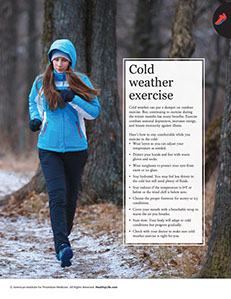
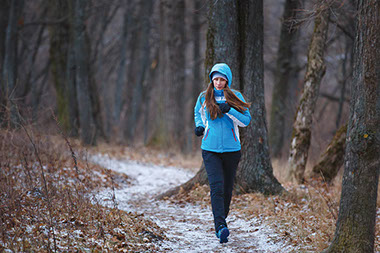
    Cold weather can put a damper on outdoor exercise. But, continuing to exercise during the winter months has many benefits. Exercise combats seasonal depression, increases energy, and boosts immunity against illness.

    Here’s how to stay comfortable while you exercise in the cold:

    *  Wear layers so you can adjust your temperature as needed.

    *  Protect your hands and feet with warm gloves and socks.

    *  Wear sunglasses to protect your eyes from snow or ice glare.

    *  Stay hydrated. You may feel less thirsty in the cold but still need plenty of fluids.

    *  Stay indoors if the temperature is 0ºF or below or the wind chill is below zero.

    *  Choose the proper footwear for snowy or icy conditions.

    *  Cover your mouth with a breathable wrap to warm the air you breathe.

    *  Start slow. Your body will adapt to cold conditions but progress gradually.

    *  Check with your doctor to make sure cold-weather exercise is right for you.

    © American Institute for Preventive Medicine
  • Soothe Sore Muscles After Exercise

    BE FIT

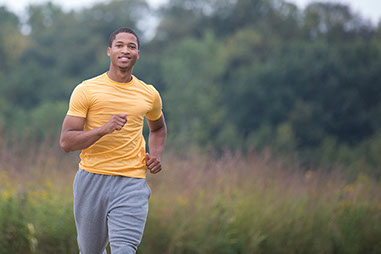
    Image of male jogging outside.

    Exercise can make you feel great. But after a hard workout, sore muscles can be uncomfortable. A little soreness is normal and healthy, especially after trying a new activity or pushing yourself a little harder.

    Don’t let post-exercise pain get you down! You can get through it and reach a new level of fitness with a few tips:

    *Warm up.Don’t jump right into exercise with cold muscles. Doing a lighter or slower version of your workout first will get muscles warm and increase blood flow. This can help avoid injury too.

    *Cool down and stretch.Don’t stop exercise abruptly. Instead, slow down your activity until your heart rate feels normal and you can talk easily. After you’ve exercised, stretch! This is the perfect time to increase flexibility and help lower the chance of soreness.

    *Drink water.It helps keep your joints and muscles hydrated and prevents cramps. Drink before, during and after your workout.

    *Give muscles a break.Give muscles about two days to rest and heal before you exercise them again. For instance, work leg muscles one day and arms the next. Don’t do the same exercise day after day. Muscles need about 48 hours to repair and heal.

    *Be sure you’re doing it right.If you’re new to certain exercises, don’t be afraid to ask someone who can help! Ask a fitness expert or personal trainer or watch videos. Exercise machines and routines can cause injuries if they’re not done properly.

    *Don’t push too hard.It’s easy to get caught up in a new exercise routine. You may want to get into shape as quickly as possible. But doing too much too quickly can mean lots of soreness and even an injury. If you think your exercise routine is too easy, increase the time or intensity slowly. Always ask your doctor about safe exercises you can do if you have any health conditions.

    Listen to your body!

    A lot of soreness or pain isn’t necessary or normal. If you think you have a strained or sprained muscle, tryRICE:

    Rest:Don’t use the sore muscles, if possible.

    Ice:Apply ice packs to the problem area for a few minutes at a time.

    Compression:Use sports bandages or wraps.

    Elevation:Raise the affected body part, such as a foot, up above your heart for two to three hours each day.

    See a doctor if the pain is extreme, gets worse or doesn’t go away after a week.

    Source: American Academy of Family Physicians

    © American Institute for Preventive Medicine
  • The Downside Of Skiing: Falls And Spills

    BE FIT

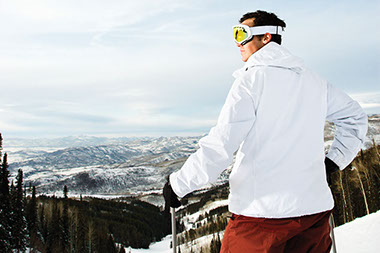
    Image of man on top of a skiing slope.

    If you find yourself heading downhill on skis, but you’re swooshing down on your backside because of a fall, you’ll be glad you prepared for the inevitable spills.

    According to the American College of Sports Medicine, falls account for up to 85% of skiing injuries. The majority of those injuries are sprains, broken bones, cuts, and dislocations-and now more knee injuries because mid-calf plastic ski boots are protecting ankles.

    Thirty to 40% of ski injuries affect the knee area, most likely the MCL (medial collateral ligament). This trauma often occurs with slow twisting falls or when beginners maintain a snowplow position for lengthy periods and stress the ligament. If skiers catch an edge (when the lower leg is suddenly twisted away from the upper leg) or skis separate, the foot is forced away from the body, which causes a distraction force on the inside of the knee.

    Another common knee injury is rupture of the anterior cruciate ligament (ACL), which can be caused by a backward fall as the lower leg moves forward. Catching an edge causes a sudden external rotation below the knee, which can cause the ACL to become sprained or snap (5 times more common in women skiers).

    Your pre-conditioning program should include 4 elements: endurance, strength training, flexibility, and balance. Aerobic fitness is the key to preventing the end-of-the-day injuries. Cross training, which includes multiple sports and activities, will help with cardiovascular endurance, while strength and flexibility focusing on the legs is vital for injury prevention, says Scott M. Levin, MD, a board-certified orthopaedic surgeon and sports medicine specialist.

    “Besides conditioning, skiers need to warm up and stretch before starting down the hill because cold muscles are more prone to injury,” notes Dr. Levin. Warm up with jumping jacks, running, or walking in place for a few minutes and then stretch your hamstrings, hip flexors, and quadriceps.

    © American Institute for Preventive Medicine
  • Watch List For Winter Weather Activities

    BE FIT

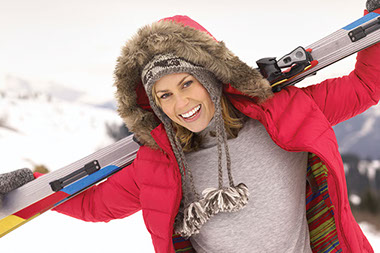
    Image of women with skis.

    Winter weather doesn’t have to derail your exercise routine, says a Saint Louis University exercise expert. As you adjust to darker days, colder temperatures, and slippery surfaces, it’s important to be mindful of safety issues that come with the territory of winter workouts.

    “A change in weather should bring a change to your mindset. As temperatures get colder, it’s important for athletes to adjust their routines,” said Dr. Tony Breitbach, director of athletic training education.

    Dr. Breitbach offers the following tips to avoid injury during winter months:

    *Watch what you wear.Dress in layers for outside exercise. Next to your skin, wear a  breathable wicking material, not cotton because it retains sweat. Next, add a thermal layer of fleece or cotton to keep in heat. Use a third, outer layer as a cover. As you start to heat up, you’ll be able to peel off layers to manage your comfort level.

    *Watch for pain.Your furthest extremities are the first to be affected by the cold. If you get pain or tingling in your ears, fingers, or toes, it’s time to go inside to warm up.

    *Watch your hydration.Staying well-hydrated is another concern during cold winter months due to dry air and indoor heat. Drink plenty of fluids, but be sure to avoid caffeine and alcohol-based beverages, which also lead to dehydration.

    *Watch for hazards.Use caution when running after dark. Wear light-colored, reflective clothing so drivers can see you.

    *Watch out for overuse.Winter weather can limit outdoor exercise options such as running in the park, golfing, and swimming. So be careful to avoid over-doing it with one activity. Working out on hard, unforgiving surfaces like gym floors or concrete can worsen any over-use issues you have. Think outside the gym. Be creative; try ice-skating, cross-country skiing, or a yoga class.

    © American Institute for Preventive Medicine
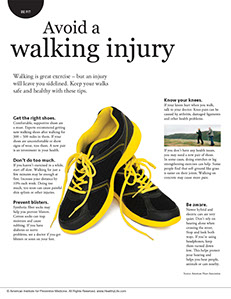
  • Avoid A Walking Injury

    BE FIT

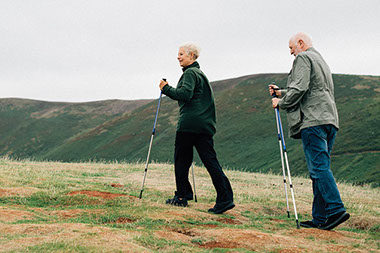
    Older couple hiking using walking sticks.

    Walking is great exercise – but an injury will leave you sidelined. Keep your walks safe and healthy with these tips.

    Get the right shoes.

    Comfortable, supportive shoes are a must. Experts recommend getting new walking shoes after walking for 300 – 500 miles in them. If your shoes are uncomfortable or show signs of wear, toss them. A new pair is an investment in your health.

    Don’t do too much.

    If you haven’t exercised in a while, start off slow. Walking for just a few minutes may be enough at first. Increase your distance by  10% each week. Doing too much, too soon can cause painful shin splints or other injuries.

    Prevent blisters.

    Synthetic fiber socks may help you prevent blisters. Cotton socks can trap moisture and cause rubbing. If you have diabetes or nerve problems, see a doctor if you get blisters or sores on your feet.

    Know your knees.

    If your knees hurt when you walk, talk to your doctor. Knee pain can be caused by arthritis, damaged ligaments and other health problems.

    If you don’t have any health issues, you may need a new pair of shoes. In some cases, doing stretches or leg strengthening exercises can help. Some people find that soft ground like grass is easier on their joints. Walking on concrete may cause more pain.

    Be aware.

    Newer hybrid and electric cars are very quiet. Don’t rely on hearing alone when crossing the street. Stop and look both ways. If you’re using headphones, keep them turned down low. This helps protect your hearing and helps you hear people, animals or cars nearby.

    Source: American Heart Association

    © American Institute for Preventive Medicine