Tag: eye

  • Is Lasik Right For You?

    SELF-CARE CORNER

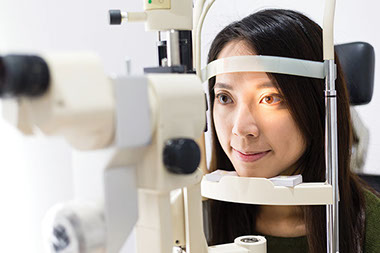
    Female getting her eyes examied.

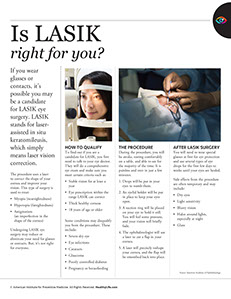
    If you wear glasses or contacts, it’s possible you may be a candidate for LASIK eye surgery. LASIK stands for laser-assisted in situ keratomileusis, which simply means laser vision correction.

    The procedure uses a laser to correct the shape of your cornea and improve your vision. This type of surgery is used to treat:

    *  Myopia (nearsightedness)

    *  Hyperopia (farsightedness)

    *  Astigmatism (an imperfection in the shape of the cornea)

    Undergoing LASIK eye surgery may reduce or eliminate your need for glasses or contacts. But, it’s not right for everyone.

    How to qualify

    To find out if you are a candidate for LASIK, you first need to talk to your eye doctor. They will do a comprehensive eye exam and make sure you meet certain criteria such as:

    *  Stable vision for at least a year

    *  Eye prescription within the range LASIK can correct

    *  Thick healthy corneas

    *  18 years of age or older

    Some conditions may disqualify you from the procedure. These include:

    *  Severe dry eye

    *  Eye infections

    *  Cataracts

    *  Glaucoma

    *  Poorly controlled diabetes

    *  Pregnancy or breastfeeding

    The procedure

    During the procedure, you will be awake, resting comfortably on a table, and able to see for the majority of the time. It is painless and over in just a few minutes.

    1.  Drops will be put in your eyes to numb them.

    2.  An eyelid holder will be put in place to keep your eyes open.

    3.  A suction ring will be placed on your eye to hold it still. You will feel some pressure, and your vision will briefly fade.

    4.  The ophthalmologist will use a laser to cut a flap in your cornea.

    5.  A laser will precisely reshape your cornea, and the flap will be smoothed back into place.

    After LASIK surgery

    You will need to wear special glasses at first for eye protection and use several types of eye drops for the first few days to weeks until your eyes are healed.

    Side effects from the procedure are often temporary and may include:

    *  Dry eyes

    *  Light sensitivity

    *  Blurry vision

    *  Halos around lights, especially at night

    *  Glare

    Source: American Academy of Ophthalmology
    © American Institute for Preventive Medicine
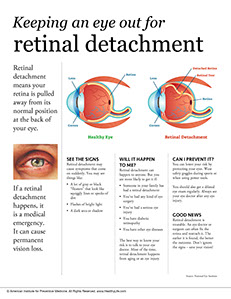
  • Keeping An Eye Out For Retinal Detachment

    SELF-CARE CORNER

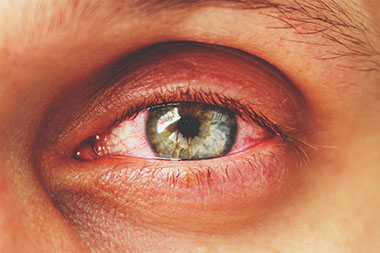
    Close up of eye.

    Retinal detachment means your retina is pulled away from its normal position at the back of your eye. If a retinal detachment happens, it is a medical emergency. It can cause permanent vision loss.

    See the signs

    Retinal detachment may cause symptoms that come on suddenly. You may see things like:

    *  A lot of gray or black “floaters” that look like squiggly lines or specks of dirt

    *  Flashes of bright light

    *  A dark area or shadow

    Will it happen to me?

    Retinal detachment can happen to anyone. But you are more likely to get it if:

    *  Someone in your family has had a retinal detachment

    *  You’ve had any kind of eye surgery

    *  You’ve had a serious eye injury

    *  You have diabetic retinopathy

    *  You have other eye diseases

    The best way to know your risk is to talk to your eye doctor. Most of the time, retinal detachment happens from aging or an eye injury.

    Can I prevent it?

    You can lower your risk by protecting your eyes. Wear safety goggles during sports or when using power tools.

    You should also get a dilated eye exam regularly. Always see your eye doctor after any eye injury.

    Good news

    Retinal detachment is treatable. An eye doctor or surgeon can often fix the retina and reattach it. The earlier it is found, the better the outcome. Don’t ignore the signs – save your vision!

    Source: National Eye Institute

    © American Institute for Preventive Medicine
  • Eye Health At Work

    Eye Conditions

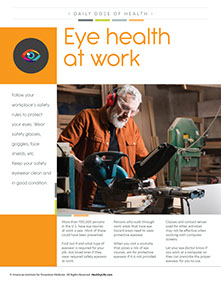
    Man wearing protective eye and hearing gear while using machinery.

    Follow your workplace’s safety rules to protect your eyes. Wear safety glasses, goggles, face shields, etc. Keep your safety eyewear clean and in good condition.

    More than 700,000 persons in the U.S. have eye injuries at work a year. Most of these could have been prevented.

    Find out if and what type of eyewear is required for your job. Ask loved ones if they wear required safety eyewear at work.

    Persons who walk through work areas that have eye hazard areas need to wear protective eyewear.

    When you visit a worksite that poses a risk of eye injuries, ask for protective eyewear if it is not provided.

    Glasses and contact lenses used for other activities may not be effective when working with computer screens.

    Let your eye doctor know if you work at a computer so they can prescribe the proper eyewear for you to use.

    Health at Home Lifetime book by the American Institute for Preventive Medicine. www.HealthyLife.com. All rights reserved.

    © American Institute for Preventive Medicine

  • Clean Contacts Matter

    SELF-CARE CORNER

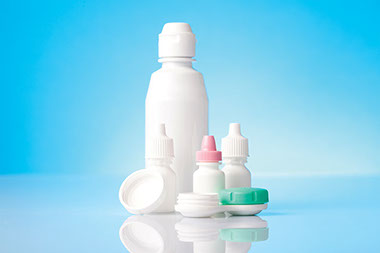
    Image of contact solution, case and eye drops.

    If you wear contact lenses, it’s important to keep them clean and care for them properly. Not taking care of your contact lens could cause an eye infection known as keratitis, which can cause serious eye problems. The CDC says 988,000 people had keratitis in 2010. The biggest risk factor was improper care of contact lenses.

    You can greatly reduce your risk of this infection by doing the following things each day:

    *  Wash your hands with soap and water before inserting or removing your lenses.

    *  Use only sterile contact lens solution and disinfectant. Don’t use water, saliva, or other liquids to store or rinse your lenses.

    *  Gently rub your lenses with disinfectant daily.

    *  Remove your lenses before showering, swimming and sleeping.

    *  Use fresh solution every day. Dump out all the old solution.

    *  Don’t wear lenses longer than directed. For instance, some disposable contacts are designed to be worn for one day. Some can be worn for several weeks or longer. Ask your eye care professional if you’re not sure.

    *  Don’t use expired solution or contacts.

    *  Replace your contact lens case every three to six months.

    Source: The American Academy of Ophthalmology

    © American Institute for Preventive Medicine
  • Eye-Popping Facts

    WELL-BEING

    Image of 2 young brothers using a tablet at bedtime.

    Kids (and adults) are spending hours using electronics such as iPads, video games, computers, and smartphones. How much is too much for your eyes when it comes to digital device use?

    Eye strain or Computer Vision Syndrome (CVS) is a serious condition that can cause back and neck pain, dry eye, and even headaches. Statistics show that 80% of what we learn is through our eyes, which means that digital eyestrain and CVS can have a major impact on productivity and success.

    VSP optometrist, Dr. Nate Bonilla-Warford suggests these eye-easing ways to avoid digital eye strain:

    *Blink often:When looking at a computer or hand-held digital device, it’s common for you to blink 2 to 3 times less than you normally would. This can lead to “dry eye.” Blinking bathes your eyes in tears, and tears are naturally helpful for the eyes.

    *Follow the 20/20/20 rule:When spending long periods in front of a digital device, every 20 minutes, spend 20 seconds looking at something 20 feet away to allow your eyes to rest.

    *Ensure proper lighting:Poor lighting often causes eye strain. To help ease the strain on your eyes, keep bright lighting overhead to a minimum and position your desk lamp to shine on your desk, and not at you.

    *Wear it:If you or your child wears prescription glasses-for digital use or otherwise-make sure to have them on.

    © American Institute for Preventive Medicine
  • Pop The Cork, Not Your Eye

    WELL-BEING

    Image of cork popping from a champagne bottle.

    Americans will consume more than a billion glasses of champagne during holiday and New Year celebrations. According to the American Academy of Ophthalmology, the careless handling of champagne is one of the most common causes for holiday-related eye injuries. These injuries are often caused by improperly opening the bottle, as a champagne cork is just less than 90 pounds of pressure-3 times the pressure inside a car tire.

    The Korbel Champagne authorities offer this advice:

    *  The recommended way to properly open a bottle is to ease the cork out slowly, with the sound of a gentle sigh-not a pop, which wastes champagne.

    *  Make sure your champagne is chilled and unshaken. Chill the bottle for at least 4 hours in the refrigerator (a warm bottle is more likely to pop).

    *  Remove the foil cap covering the top of the bottle, exposing a wire hood.

    *  Undo the wire hood with 6 half-turns of the knob.

    *  Hold the bottle at a 45-degree angle while holding the cork firmly with one hand and the base of the bottle with the other. Be sure to point the bottle away from your guests.

    *  Do not twist the cork. Rather, turn the bottle slowly while letting the cork glide out gently, emitting a gentle sigh.

    *  In the did-you-know department: There are more than 50 million bubbles in a standard bottle of champagne.

    © American Institute for Preventive Medicine

  • Under Pressure: What To Know About Glaucoma

    MEDICAL NEWS

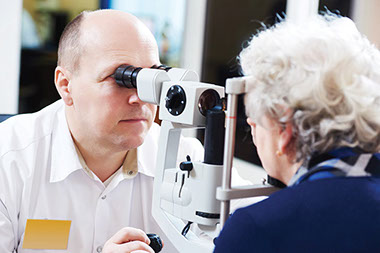
    Image of eldery women getting her eyes checked.

    Glaucoma is a leading cause of blindness for people over 60, so it’s important to know what you can do about it.

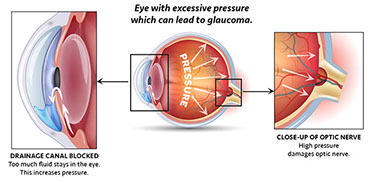
    Glaucoma happens when too much fluid builds up in the eye. This extra fluid causes pressure that damages the optic nerve. This damage cannot be undone once it happens. It can lead to loss of all or part of your vision. But, glaucoma can be managed and the damage to vision can be decreased with proper medical care.

    People at highest risk for glaucoma

    Anyone can get glaucoma. But certain groups of people may be more likely to get it, including:

    *  People with a family history of glaucoma

    *  African Americans over age 40

    *  Anyone over age 60, but Mexican Americans are especially at risk

    *  People who have high eye pressure, thin corneas or optic nerve problems

    *  People with high blood pressure that’s not well controlled

    Signs and symptoms

    Glaucoma often doesn’t have early signs and symptoms until damage has already been done. That’s why getting regular eye exams is so important. For many people, the first sign of glaucoma is loss of their peripheral (side) vision.

    Don’t assume you don’t have glaucoma because your eyes “feel fine.” Many people develop glaucoma without any symptoms.

    Illustration of eye with excessive pressure which can lead to glaucoma.

    What can you do about glaucoma?

    Glaucoma has no cure, but there are things you can do to slow it down and save your vision:

    *  If you have glaucoma, take your medicines every day. Ask your eye doctor how often you need to be seen, and stick to your appointments.

    *  Get a complete eye exam at least every 2 years or as often as recommended. This includes a dilated eye exam.

    *  Even if you don’t have glaucoma, ask your eye doctor about your risk. This includes telling your doctor about any family history of glaucoma.

    People with certain risk factors for glaucoma may be given special eye drops. These drops can lower the risk of getting glaucoma but they must be used regularly to be effective.

    If you are diagnosed with glaucoma, you and your doctor will discuss what treatment is best for you. It may depend on what type of glaucoma you have and how severe it is. Treatments may include:

    *  Eye drops that lower pressure in the eye

    *  Surgery done with a laser that helps the eye drain fluid better

    *  Traditional surgery that may include placing a new drainage tube in the eye

    Save your sight – see your eye doctor to get checked for glaucoma!

    Sources: American Academy of Ophthalmology, National Eye Institute

    © American Institute for Preventive Medicine