SELF-CARE CORNER
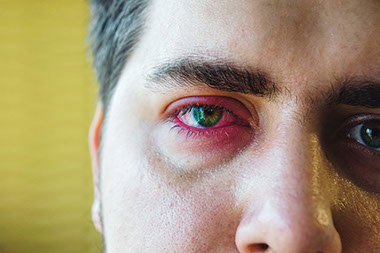
You might not think about your eyelids very much. That is, until there’s a problem with them. Blepharitis, a common eyelid condition, can cause irritated, red, itchy eyelids. It can also cause flaking on the eyelids.
What causes blepharitis?
Blepharitis usually happens when bacteria on the skin become unbalanced. Certain things can trigger this bacteria growth, including:
* Allergies
* Mites
* Dandruff
* Oily skin
* Rosacea
Signs and symptoms
Blepharitis can feel different to different people. Blepharitis symptoms include:
* Watery eyes or extra tearing
* Red and swollen eyelids
* Dry eyes
* Crusting of the eyelids
* Itching
* Blurry vision
Self-care
Most people can manage blepharitis with self-care at home. Here’s how:
* Wash your hands. Then apply a warm, moist compress to each eyelid twice a day. Use a clean cloth for each eye.
* Gently scrub the eyelids with water and baby shampoo or a gentle eyelid cleanser.
* Rinse thoroughly with clean, warm water and dry with a clean towel.
* If you have dandruff, wash your hair with anti-dandruff shampoo on a regular basis.
* Avoid using eye makeup or wearing contact lenses until blepharitis symptoms are gone.
Is blepharitis dangerous?
Blepharitis isn’t usually dangerous. But its symptoms can be painful or bothersome. Sometimes blepharitis can cause other eye problems, such as:
*Stye:A red, painful bump on the eyelid caused by a blocked oil gland.
*Chalazion:A red bump on the eyelid that doesn’t hurt.
*Cornea damage:The cornea is the clear outer layer of the eye.
If blepharitis doesn’t get better with self-care measures, contact your doctor. In some cases, you may need special eye drops or antibiotic ointment. Always ask your doctor before using any drops or other products in your eyes.
Sources: American Academy of Ophthalmology, National Institutes of Health
© American Institute for Preventive Medicine