
Tag: eyes

  • Look Cool & Protect Your Eyes

    SELF-CARE CORNER

    Image of women smiling while wearing sunglasses and a sun hat.

    Sunglasses are a great fashion item, but their most important job is to protect your eyes from the sun’s ultraviolet rays. Prolonged exposure to the sun can damage the surface tissues, cornea, and lens of the eye. It has also been linked to cataract, macular degeneration, and temporary vision loss.

    Through its EyeSmart® UV Safety campaign, the American Academy of Ophthalmology offers tips to keep your eyes safe:

    Wear sunglasses that protect your eyes from both UVA and UVB rays.

    *  When you purchase sunglasses, look for either UV400 or 100% UV protection on the label. Frames with a close-fitting wraparound style give the best protection.

    *  Wear sunglasses even if you wear UV-blocking contact lenses. Contacts do not cover enough eye area.

    *  Wear sunglasses on cloudy days, too. The sun’s rays can pass through haze and clouds.

    Wear a hatalong with your sunglasses. Hats with a wide brim are best.

    Protect your children’s eyes.

    *  Keep children out of direct sunlight during the middle of the day.

    *  Have them wear sunglasses and hats whenever they are in the sun.

    Be extra careful in UV-intense conditions:

    *  Mid-day to early afternoon, when sunlight is strongest

    *  At higher altitudes

    *  Places where the sun is reflected off of water, ice or snow

    Learn more about UV eye safety and tips to protect the eyes from the sun atwww.geteyesmart.org/eyesmart/living/sun.cfm

    © American Institute for Preventive Medicine
  • Simple Steps To Save Your Sight

    WELL-BEING

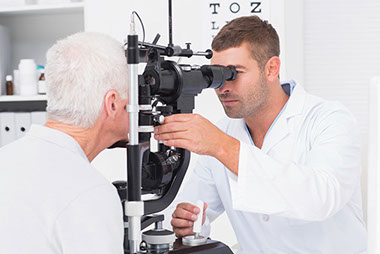
    Image of older male getting eyes checked by a doctor.

    Age-related macular degeneration (AMD) is the number one cause of blindness in older adults. AMD damages central vision, which means things like reading, driving and seeing faces are limited or impossible. There is no cure for AMD, but there are procedures and steps you can take to help save vision. Lower your risk of getting AMD with these tips:

    *Don’t smoke.Studies show that smoking increases the risk of AMD. Smokers are twice as likely to get AMD as nonsmokers. If you do smoke, take steps to quit.

    *Know your family history.People with a close relative who has AMD have a 50 percent chance of getting AMD. Detecting AMD early means you could save your vision.

    *Eat a healthy diet.People who eat omega-3 fatty acids, found in fatty fish, are less likely to get AMD. Also, focus on eating leafy greens such as spinach, kale and leafy lettuce. Eat plenty of whole fruits (not fruit juice).

    *Limit unhealthy fats and cholesterol.Eating a lot of saturated fat and cholesterol raises the risk of getting AMD. Avoid processed (packaged) foods with unhealthy saturated and trans fats.

    *Be active.Exercise may keep your eyes healthy. Exercising at least three times per week can reduce your risk of getting AMD.

    *See your eye doctor regularly.An eye doctor can catch AMD early with an eye exam. Find out how often you should have your eyes checked.

    *Protect your eyes from the sun.Always wear sunglasses that have 100 percent UV protection when you are outside. For additional coverage, wear a wide-brimmed hat.

    *Get regular checkups from your doctor.Keeping cholesterol, blood sugar and blood pressure under control also helps maintain healthy eyes.

    *Your vision is too important to leave to chance.A healthy lifestyle and good medical care can help you avoid AMD or catch it early, before it damages your sight.

    Sources: American Academy of Ophthalmology, American Macular Degeneration Foundation

    © American Institute for Preventive Medicine