Tag: facts

  • Use Food Labels

    Healthylife® Weigh

    Part 3

    Smiling woman shopping in supermarket and reading food label.

    Information on food labels can help you choose healthy foods and drinks and avoid less healthy options. Some of the healthiest foods, like fruits and vegetables, don’t have a label at all! Practice reading food labels with the foods you have at home or the next time you grocery shop.

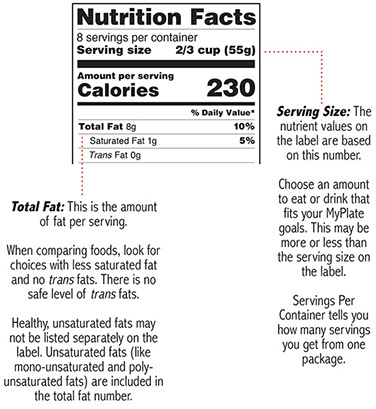
    Chart breaking down how to read a food label.

    What seems “normal” as a portion is influenced by what you have eaten in the past, what you see others eat, what you have been served at a restaurant, and what is on a food label. Part of adopting a balanced diet may be creating a new “normal” for yourself that is pleasing, filling, AND the right amount for your body.

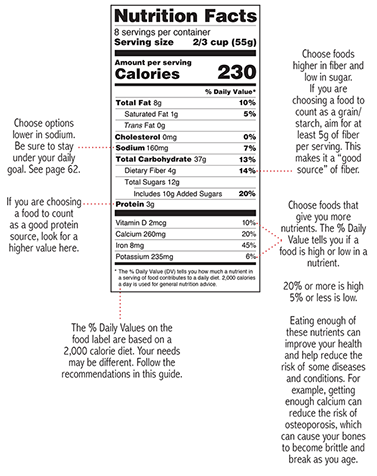
    Chart breaking down how to read a food label.

    © American Institute for Preventive Medicine

  • Busting Myths About Alzheimer’S

    MEDICAL NEWS

    Image of eldery man in wheelchair with daughter and granddaughter.

    More than 5 million Americans are living with Alzheimer’s and many myths still exist about it.

    MYTH: Alzheimer’s and dementia mean the same thing.

    FACT:Dementia is a group of symptoms that can be caused by Alzheimer’s and other diseases. Up to 80 percent of dementia cases are caused by Alzheimer’s disease. But, dementia can be caused by other conditions, such as Parkinson’s disease.

    MYTH: Everyone gets forgetful with age, so Alzheimer’s is no big deal.

    FACT:Alzheimer’s is not a normal part of aging. Alzheimer’s gets worse over time. Eventually, someone with Alzheimer’s will be unable to have a conversation or do normal everyday tasks. The earlier Alzheimer’s is diagnosed, the sooner treatment can start. This may help delay the disease’s progression.

    MYTH: Alzheimer’s won’t hurt you physically. You can live with the memory loss and other symptoms.

    FACT:Alzheimer’s is the sixth leading cause of death in the United States. Some people may live up to 20 years after diagnosis, but there are no survivors.

    MYTH: Medicine can cure Alzheimer’s.

    FACT:Treatments can help slow down the disease, but there is no cure. Alzheimer’s will eventually progress, even with treatment. The treatments may help improve quality of life for those with Alzheimer’s and their caregivers. Research is underway to find ways to prevent the disease and hopefully cure it.

    Source: Alzheimer’s Association

    Look for early signs of Alzheimer’s

    Detecting Alzheimer’s early is important. Since everyone forgets things from time to time, it can be hard to know what’s normal forgetfulness and what’s something more serious. People in the early stages may still work, drive and do daily tasks. They may think they are fine, and deny they have any memory issues.

    Look for these signs as possible flags that could mean early Alzheimer’s and talk to a doctor if you notice them:

    *  Problems coming up with the right word for something

    *  Can’t remember names when introduced to new people

    *  Trouble performing tasks at work or home

    *  Forgetting something that was just read or told

    *  Losing a valuable or important item

    *  Having trouble planning or organizing

    Though these signs don’t mean a person has Alzheimer’s for sure, it’s best to see a doctor.

    © American Institute for Preventive Medicine

  • Busting The Myths About Breast Cancer

    MEDICAL NEWS

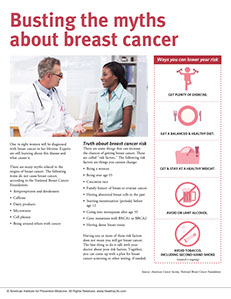
    Image of doctor and patient.

    One in eight women will be diagnosed with breast cancer in her lifetime. Experts are still learning about this disease and what causes it.

    There are many myths related to the origins of breast cancer. The following items do not cause breast cancer, according to the National Breast Cancer Foundation:

    *  Antiperspirants and deodorants

    *  Caffeine

    *  Dairy products

    *  Microwaves

    *  Cell phones

    *  Being around others with cancer

    Truth about breast cancer risk

    There are some things that can increase the chances of getting breast cancer. These are called “risk factors.” The following risk factors are things you cannot change:

    *  Being a woman

    *  Being over age 55

    *  Caucasian race

    *  Family history of breast or ovarian cancer

    *  Having abnormal breast cells in the past

    *  Starting menstruation (periods) before age 12

    *  Going into menopause after age 55

    *  Gene mutations with BRCA1 or BRCA2

    *  Having dense breast tissue

    Having one or more of these risk factors does not mean you will get breast cancer. The best thing to do is talk with your doctor about your risk factors. Together, you can come up with a plan for breast cancer screening or other testing, if needed.

    Ways you can lower your risk

    *  Get plenty of exercise.

    *  Eat a balanced & healthy diet.

    *  Get & stay at a healthy weight.

    *  Avoid or limit alcohol.

    *  Avoid tobacco, including second-hand smoke (research is ongoing)

    Sources: American Cancer Society, National Breast Cancer Foundation

    © American Institute for Preventive Medicine

  • Ebola Facts

    MEDICAL NEWS

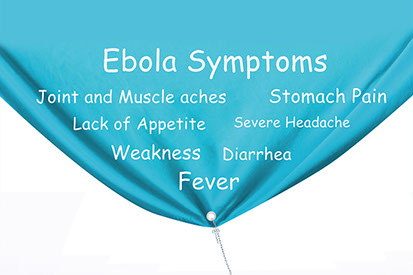
    Illustration of ebola symptoms.

    Although the risk of Ebola spreading in the U.S. is low, the CDC offers this information about a scary disease. A person infected with Ebola-a disease outbreak in countries in West Africa and isolated cases in the U.S.-can’t spread the disease until symptoms appear.

    The time from exposure to when signs or symptoms of the disease appear (called the incubation period) is 2 to 21 days, but the average time is 8 to 10 days. Signs of Ebola include fever (higher than 101.5ºF) and severe headache, muscle pain, vomiting, diarrhea, stomach pain, or unexplained bleeding or bruising.

    Ebola is spread through direct contact with blood and body fluids.

    Ebola is spread through direct contact (through broken skin or through your eyes, nose, or mouth) with:

    *  Blood and body fluids (like urine, feces, saliva, vomit, sweat, and semen) of a person who is sick with Ebola.

    *  Objects (such as needles) that have been contaminated with the blood or body fluids of a person sick with Ebola.

    There is no FDA-approved vaccine available for Ebola. Experimental vaccines and treatments are under development. You can protect yourself against Ebola.

    *  DO wash your hands often with soap and water or use an alcohol-based hand sanitizer.

    *  Do NOT touch the blood or body fluids of people who are sick.

    *  Do NOT handle items that may have come in contact with a sick person’s blood or body fluids, such as clothing, bedding, needles, or medical equipment.

    *  Do NOT touch the body of someone who has died of Ebola.

    Ebola is NOT spread through the air, water, or food.

    If you have traveled to an area with an Ebola outbreak or had close contact with a person sick with Ebola, you may be at risk.

    © American Institute for Preventive Medicine

  • Face Facts About Acne

    SELF-CARE CORNER

    Image of young women washing her face.

    Acne. It’s embarrassing. It’s annoying. And it’s the most common skin condition in the U.S. Fortunately, acne can often be reduced with simple changes to your skin care routine, say experts from the American Academy of Dermatology.

    For clearer skin, follow these tips:

    *  Wash twice a day and after sweating. Perspiration, especially when wearing a hat or helmet, can make acne worse, so wash your skin as soon as possible after sweating.

    *  Use your fingertips to apply a gentle, non-abrasive cleanser. Using a washcloth, mesh sponge, or anything else can irritate the skin. Do not use skin care products that irritate the skin, which may include astringents, toners, and exfoliants. Dry, red skin makes acne appear worse.

    *  Rinse with lukewarm water.

    *  Shampoo regularly. If you have oily hair, shampoo daily.

    *  Let your skin heal naturally. If you pick, pop or squeeze your acne, your skin will take longer to clear and you increase your risk of getting acne scars.

    *  Keep your hands off your face. Touching your skin throughout the day can cause flare-ups.

    *  Stay out of the sun and tanning beds. Tanning damages your skin. In addition, some acne medications make the skin very sensitive to ultraviolet (UV) light, which you get from both the sun and indoor tanning devices.

    *  See a skin specialist for the most current treatments.

    © American Institute for Preventive Medicine

  • Questions Answered About Mers

    MEDICAL NEWS

    Illustration of lungs with MERS.

    As concern increases about Middle Eastern Respiratory Syndrome, or MERS, in the Middle East and in Asia, Dr. Peter Hotez, dean of the National School of Tropical Medicine at Baylor College of Medicine, answers questions on what we need to know about this emerging infectious disease.

    What is MERS?

    It is a serious lower respiratory infection caused by the MERS coronavirus. This emerging viral pathogen was first acquired from camels, but now has limited human-to-human transmission.

    What are the symptoms?

    The symptoms include fever, cough, and respiratory symptoms that could lead to respiratory failure and other organ system breakdown. This infectious disease is similar to SARS (severe acute respiratory syndrome) that caused a severe and highly lethal outbreak in South China in 2002-2003. Some data from previous SARS outbreaks indicate that 13% of cases may have no symptoms and this could also be true for MERS.

    How is it spread?

    The mode of spread is still not well known. In general, it involves close contact, especially in health care settings. For SARS, a related coronavirus, sneezing and cough seems to facilitate transmission.

    Is there a treatment? Is there a vaccine?

    There is no proven antiviral treatment, yet, for MERS. Several prototype vaccines are in different stages of development.

    Who is at risk? Any groups more at risk?

    For about 30 to 40%, of people who get MERS, the disease is fatal. At greatest risk of dying are the elderly and those with underlying heart and lung disease or diabetes.

    Should we be concerned?

    The MERS epidemic in South Korea looks as though it will be contained soon with all new cases appearing among the estimated 3,000 people in quarantine. However, in Saudi Arabia and elsewhere on the Arabian Peninsula, new cases continue to appear. Individuals thinking about travelling to the Arabian Peninsula should consult their doctor if they are elderly or have underlying chronic disease conditions.

    © American Institute for Preventive Medicine

  • Talking To Teens About Alcohol

    FAMILY LIFE

    Image of mother talking to her teen daughter.

    It’s not always easy, but it’s important to talk to your teenage children about the dangers of underage drinking. It can result in violence, sexual assault, brain development problems and even serious injury or death.

    According to the National Institute on Alcohol Abuse and Alcoholism, 35 percent of 15-year-olds have had at least one drink in their lives. Even if your child has never tried alcohol, many teens deal with peer pressure and need to know how to say no. Talking with your child may help prepare them to deal with these situations.

    The National Institutes of Health recommends the following tips for talking with your teen about drinking:

    *  Have open conversations about alcohol. Remain calm and answer questions honestly.

    *  Anytime the subject of alcohol comes up, use it as a chance to talk about it again. The message to avoid alcohol needs to be repeated.

    *  Tell your child about the dangers of alcohol. These include harming the body and brain and putting them in dangerous situations. Tell them underage drinking is against the law.

    *  Try “what if” situations. Ask them, “What if James asks you to try just a sip of beer?” Have them practice their response.

    *  Stress they should never get in a car with a person who has been drinking, even if they “just had one drink.” Alcohol affects teens differently than adults.

    © American Institute for Preventive Medicine

  • Tasty News

    HEALTHY EATING

    Image of women of a hot cup of tea.

    What we view as the sense of taste is actually a combination of smell, taste, and texture, with smell playing a major role. A single taste bud can have dozens of receptor cells that send signals of sour, sweet, salty, and bitter through nerve channels to the brain.

    The tongue is covered with taste buds, and the back of the mouth is sensitive to bitter tastes-perhaps as a last-ditch chance to expel something toxic. Taste also plays a role in digestion, preparing the stomach for a meal.

    But one of the most interesting things about taste, according to University of Virginia neuroscientist David Hill, is that taste cells regenerate, or turn over, about every 10 days, much like skin cells.

    Burn your tongue? No worries; those cells will regrow and you’ll regain your normal sense of taste within days.

    © American Institute for Preventive Medicine

  • The Facts About Breast Cancer Screening

    MEDICAL NEWS

    Image of 4 women with arms around each other smiling and laughing.

    Breast cancer is the most common cancer in women after skin cancer. About 1 in 8 women in the U.S. will get breast cancer during her life. One of the best things you can do for yourself is learn when and how to get screened for breast cancer.

    A mammogram can help save lives.

    Mammograms do not prevent breast cancer. But, they are the best way to find breast cancer early, when it is easier to treat. Mammograms can detect breast cancer before you can see it or feel it. Finding breast cancer in its early stages may reduce a person’s risk of dying by  30 percent or more.

    Breast self exams alone aren’t enough.

    Experts say that breast self-exams (BSEs) cannot take the place of a mammogram. Although women should see their doctors if they notice any changes in their breasts, studies say that BSEs alone are not enough to catch breast cancer early.

    Each woman’s mammogram schedule may be different.

    Women who have a family history of breast cancer or other risk factors may need to start getting yearly mammograms at a younger age. Women who don’t have risk factors may begin getting mammograms in their 40s or later. It’s important to talk with your doctor to find out when you should start getting mammograms.

    If you’re not sure when you should get a mammogram, talk with your doctor. Together, you can create a breast cancer screening schedule that is right for you.

    © American Institute for Preventive Medicine