Tag: Fads & Diets

  • Vegan Diet: Myths & Facts

    HEALTHY EATING

    Stuffed butternut squash with chickpeas, cranberries, quinoa cooked in nutmeg, cloves, cinnamon.

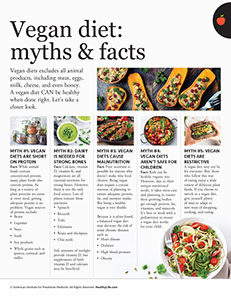
    Vegan diets excludes all animal products, including meat, eggs, milk, cheese, and even honey. A vegan diet CAN be healthy when done right. Let’s take a closer look.

    Myth #1: Vegan diets are short on protein

    Fact: While animal foods contain concentrated protein, many plant foods also contain protein. As long as a variety of plant proteins are eaten at every meal, getting adequate protein is no problem. Vegan sources of protein include:

    *  Beans

    *  Legumes

    *  Nuts

    *  Seeds

    *  Soy products

    *  Whole grains such as quinoa, oatmeal, and millet

    Myth #2: Dairy is needed for strong bones

    Fact: Calcium, vitamin D, vitamin K, and magnesium are all essential nutrients for strong bones. However, dairy is not the only food source. Lots of plants contain those nutrients:

    *  Spinach

    *  Broccoli

    *  Tofu

    *  Edamame

    *  Beans and chickpeas

    *  Chia seeds

    Safe amounts of sunlight provide vitamin D, but supplements of both vitamin D and calcium may be beneficial.

    Myth #3: Vegan diets cause malnutrition

    Fact: Poor nutrition is possible for anyone who doesn’t make wise food choices. Being vegan does require a certain amount of planning to ensure adequate protein, fat, and nutrient intake. But being a healthy vegan is very doable.

    Because it is plant-based, a balanced vegan diet may decrease the risk of some chronic diseases such as:

    *  Heart disease

    *  Diabetes

    *  High blood pressure

    *  Obesity

    Myth #4: Vegan diets aren’t safe for children

    Fact: Kids can be healthy vegans, too. However, due to their unique nutritional needs, it takes extra care and planning to ensure their growing bodies get enough protein, fat, vitamins, and minerals. It’s best to work with a pediatrician to ensure a vegan diet works  for your child.

    Myth #5: Vegan diets are restrictive

    A vegan diet may not be for everyone. But, those who follow this way of eating enjoy a wide variety of delicious plant foods. If you choose to switch to a vegan diet, give yourself plenty of time to adapt to new ways of shopping, cooking, and eating.
    © American Institute for Preventive Medicine
  • What Is The Intermittent Fasting Diet?

    HEALTHY EATING

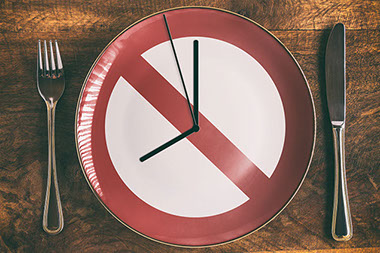
    Concept image of plate with "DO NOT" sign and clock hands.

    The intermittent fasting (IF) diet is one of the latest diet trends. The idea behind the IF diet is to use fasting, or periods of not eating, to lose weight.

    The IF diet does not focus on the types of foods you eat. Instead, it tells you to eat within certain time frames. Some IF plans say you should eat within a few hours of each day. For instance, you can eat within an 8-hour window, from noon to 8 p.m. Then, during the other 16 hours, you do not eat.

    Other IF plans tell you to eat normally for a few days a week and do a “fast” on other days. This fast may mean not eating at all or eating only small amounts. Some plans tell you to eat normally five days a week, followed by a  24-hour fast for two days.

    The history of fasting

    People who support IF diet plans say that humans are built for fasting. Our ancient ancestors didn’t have food available all the time as we do today. They didn’t have refrigerators or ways to keep food fresh and on hand. They didn’t have grocery stores and restaurants open all night.

    Before modern times, humans hunted or gathered plants for food during the day. Then, there would be no food for several hours. Sometimes, they would go for a day or more without eating because they couldn’t get food at all. For these reasons, some people believe that fasting is a way to use a similar approach today.

    More studies

    Many of the IF diet studies have been done using rats. But some small human studies show that IF can help some people lose weight.

    Research shows that IF doesn’t seem to work better than other healthy diets. And, fasting can be hard to do.

    The intermittent fasting diet is not a magical weight loss solution for everyone. But, if you are in good health and your doctor says it’s OK, it may be worth a try.

    © American Institute for Preventive Medicine
  • Do Detox Diets Work?

    HEALTHY EATING

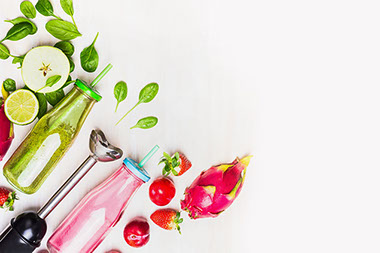
    Two different detox drinks.

    Detox or cleansing diets are a popular way to make a change and cut calories quickly. But, do they really work?

    How do detox diets work?

    Detox diets use a variety of techniques in an attempt to “cleanse” the body. These include:

    *  Fasting

    *  Juicing

    *  Herbs

    *  Supplements

    *  Colon cleanses such as enemas or laxatives

    *  Saunas

    *  Food restrictions

    The idea is that these techniques cleanse and purify the body of toxins by encouraging increased elimination and digestive rest. Some diets even claim to remove toxins and metals from the bloodstream.

    Is there evidence detox diets work?

    Currently, there is no evidence that these methods to “detoxify” have any impact on human health. Your body already has ongoing processes to purify the blood and remove waste products. For example, your liver and digestive tract are two of the organ systems responsible for protecting you from harmful toxins.

    While some people report feeling better or losing weight on a detox diet, this effect may be the result of removing unhealthy foods from the diet and cutting back on calories. You could likely achieve the same results by eating a healthier, balanced diet in general.

    Are detox diets safe?

    Some of these diets can be unsafe and use false advertising to promote their claims. Many products used in detoxes or cleanses are unregulated by the FDA and could potentially cause harmful side effects.

    In addition, detox diets are often unbalanced, either by avoiding most foods or encouraging a high intake of specific foods or drinks. This could lead to problems with hydration or electrolyte balance, as well as cause digestive problems.

    Other things to consider include any health conditions or medications you currently take. You should talk to your doctor before trying any type of detoxing or cleansing.

    Are there alternatives to detoxing?

    If you are interested in cleaning up your diet but want to avoid the quick fixes promised by detox diets, there are other great options. Improving your health is a lifelong journey. Small changes over time can make a big difference.

    Consider these ideas:

    *  Cut out soda, juices, and other beverages, and let water be your drink of choice.

    *  Limit added sugars in your diet.

    *  Increase your intake of fruits and vegetables to at least 5 servings a day.

    *  Avoid late-night eating.

    *  Limit or remove alcohol from your diet.

    © American Institute for Preventive Medicine
  • Matcha Tea: A Healthy Trend?

    HEALTHY EATING

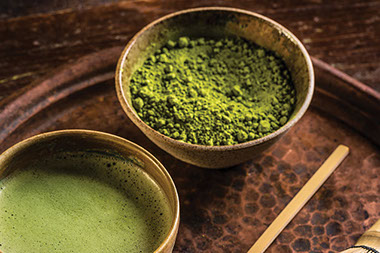
    Matcha tea.

    Matcha tea is the latest healthy drink that’s showing up everywhere. But is it really that good for you?

    Matcha tea comes from the same plant as other teas – the Camellia sinensis plant. But, it’s grown and harvested in a different way than other types of tea. Here’s what makes it different:

    *  Growers cover the leaves for several weeks before picking them. This boosts chlorophyll and gives it a deep green color.

    *  Matcha leaves are then ground into a fine powder. People add the powder directly to drinks. This means they are consuming the whole tea leaf, which includes its nutrients.

    Studies show that matcha is high in antioxidents, with research ongoing to show possible health benefits. Try a matcha drink in place of regular tea or coffee. But stay away from matcha drinks or powder that contain lots of added cream or sugar.

    © American Institute for Preventive Medicine
  • Mediterranean Diet: Should You Try It?

    HEALTHY EATING

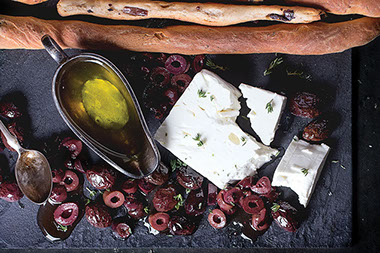
    Olive oil, black oils, bread and cheese.

    You may have heard about the Mediterranean diet and how some people believe it can make you healthy. But, what is this diet, and is it right for you?

    The Mediterranean diet isn’t a special diet plan or product. Instead, it describes the typical diet of people who live near the Mediterranean Sea. In this region, many people eat a diet that focuses on:

    *  Plenty of vegetables and fruits

    *  Moderate amounts of dairy, fish and poultry

    *  Whole-grain bread and cereals

    *  Beans and lentils

    *  Nuts and seeds

    *  Olive oil

    *  Wine (low to moderate amounts)

    *  Very little red meat and sugary desserts

    *  Fresh, mostly unprocessed foods

    When followed properly, the Mediterranean diet is similar to the diet recommended by the American Heart Association (AHA). But, the Mediterranean diet tends to be higher in fat than the AHA recommendations. The AHA believes that this higher amount of fat may be leading to obesity in Mediterranean countries.

    Fat’s not all bad

    The AHA says that the type of fat in the Mediterranean diet is healthier than the typical American diet. This is because the American diet often includes eating too much saturated fat, particularly from red meat. The Mediterranean diet uses healthier unsaturated fats from olive oil and fish. These unsaturated fats are better for the heart because they don’t raise unhealthy blood cholesterol levels.

    But, this doesn’t mean you should eat high amounts of any kind of fat. The AHA still recommends that even the healthy unsaturated fats should be eaten in moderate amounts. Saturated fat should be limited to six percent of a person’s total calories each day. Saturated fat is found in meat and dairy products, as well as coconut oil.

    Fat has nine calories per gram, which means it packs more calories than carbs and protein. So, consuming too much of it could still lead to unwanted weight gain – even if it’s the healthy kind of fat.

    Are Mediterranean people healthier?

    This begs the question: does the Mediterranean diet make you healthier? Mediterranean countries have lower rates of heart disease than the U.S. But, this may not be due to diet alone. Their exercise habits and other factors could also play a role.

    What’s the verdict on this diet?

    The bottom line: No large studies have shown that the Mediterranean diet is a magic fix for better health. But, it’s a good idea to eat more vegetables, fruits, and whole grains and less red meat. Always ask a doctor before changing your diet, especially if you have any health conditions.

    © American Institute for Preventive Medicine
  • Signs Of A Fad Diet

    HEALTHY EATING

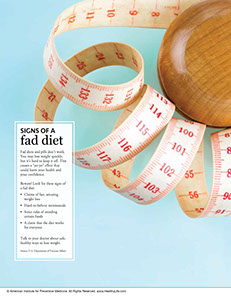
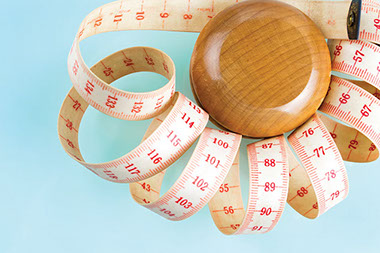
    Tape measure.

    Fad diets and pills don’t work. You may lose weight quickly, but it’s hard to keep it off. This causes a “yo-yo” effect that could harm your health and your confidence.

    Beware! Look for these signs of a fad diet:

    *  Claims of fast, amazing weight loss

    *  Hard-to-believe testimonials

    *  Strict rules of avoiding certain foods

    *  A claim that the diet works for everyone

    Talk to your doctor about safe, healthy ways to lose weight.

    Source: U.S. Department of Veterans Affairs

    © American Institute for Preventive Medicine
  • Tea Time: Is Tea Good For You?

    HEALTHY EATING

    A tea pot with two cups of tea and lemons.

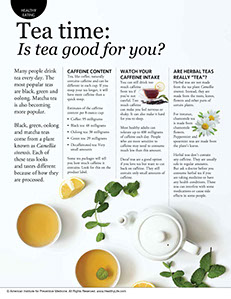
    Many people drink tea every day. The most popular teas are black, green and oolong. Matcha tea is also becoming more popular.

    Black, green, oolong and matcha teas come from a plant known as Camellia sinensis. Each of these teas looks and tastes different because of how they are processed.

    Caffeine content

    Tea, like coffee, naturally contains caffeine and can be different in each cup. If you steep your tea longer, it will have more caffeine than a quick steep.

    Estimates of the caffeine content per 8-ounce cup:

    *  Coffee: 95 milligrams

    *  Black tea: 48 milligrams

    *  Oolong tea: 38 milligrams

    *  Green tea: 29 milligrams

    *  Decaffeinated tea: Very small amounts

    Some tea packages will tell you how much caffeine it contains. Look for this on the product label.

    Watch your caffeine intake

    You can still drink too much caffeine from tea if you’re not careful. Too much caffeine can make you feel nervous or shaky. It can also make it hard for you to sleep.

    Most healthy adults can tolerate up to 400 milligrams of caffeine each day. People who are more sensitive to caffeine may need to consume much less than this amount.

    Decaf teas are a good option if you love tea but want to cut back on caffeine. They still contain only small amounts of caffeine.

    Are herbal teas really “tea”?

    Herbal teas are not made from the tea plant Camellia sinensis. Instead, they are made from the roots, leaves, flowers and other parts of certain plants.

    For instance, chamomile tea is made from chamomile flowers. Peppermint and spearmint teas are made from the plant’s leaves.

    Herbal teas don’t contain any caffeine. They are usually safe in regular amounts. But ask a doctor before you consume herbal tea if you are taking medicine or have any health conditions. These teas can interfere with some medications or cause side effects in some people.

    © American Institute for Preventive Medicine
  • Tips For Intermittent Fasting

    HEALTHY EATING

    Clock sitting on top of a white plate.

    If you have a health condition, talk to a doctor before trying any diet.

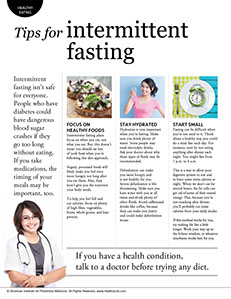
    Intermittent fasting isn’t safe for everyone. People who have diabetes could have dangerous blood sugar crashes if they go too long without eating. If you take medications, the timing of your meals may be important, too.

    Focus on healthy foods

    Intermittent fasting plans focus on when you eat, not what you eat. But, this doesn’t mean you should eat lots of junk food when you’re following this diet approach.

    Sugary, processed foods will likely make you feel even more hungry not long after you eat them. Also, they won’t give you the nutrients your body needs.

    To help you feel full and cut calories, focus on plenty of high fiber, vegetables, fruits, whole grains, and lean protein.

    Stay hydrated

    Hydration is very important when you’re fasting. Make sure you drink plenty of water. Some people may need electrolyte drinks. Ask your doctor about why these types of fluids may be recommended.

    Dehydration can make you more hungry and is not healthy for you. Severe dehydration is life-threatening. Make sure you have water with you at all times and drink plenty of other fluids. Avoid caffeinated drinks like coffee, because they can make you jittery and could make dehydration worse.

    Start small

    Fasting can be difficult when you’re not used to it. Think about a healthy way you could do a mini fast each day. For instance, start by not eating anything after dinner each night. You might fast from   7 p.m. to 6 a.m.

    This is a way to allow your digestive system to rest and to burn some extra calories at night. When we don’t eat for several hours, the fat cells can get rid of some of their stored energy. Plus, because you’re not snacking after dinner, you’ll probably cut some calories from your daily intake.

    If this method works for you, try making the fast a little longer. Work your way up to the 8-hour window, or whatever timeframe works best for you.

    © American Institute for Preventive Medicine
  • Do “Meal Replacement” Diets Work?

    HEALTHY EATING

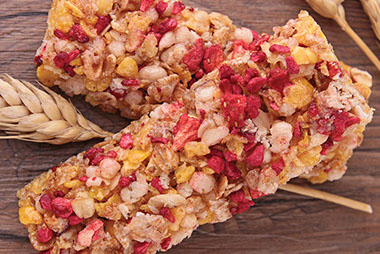
    Image of a nutrition bar.

    It seems simple enough: to cut calories, sip a shake or eat a bar instead of a meal. There’s no risk of accidentally eating too much, and you don’t have to spend time preparing a meal or measuring portions.

    Also known as meal replacement diets, these programs have their pros and cons. A study published in The Journal of the Academy of Nutrition and Dietetics showed they can help people effectively lose weight. But, no single diet works for everyone. Before you try meal replacement, here’s what you should know:

    *  Talk with your doctor before you start any diet plan.

    *  Eat plenty of whole foods daily. Fruits, vegetables, whole grains, lean protein, low-fat dairy and healthy fats are recommended by the USDA. Bars and shakes cannot fully replace the nutrients you get from whole foods.

    *  Get the right amount of calories. There’s a healthy range of calories based on your age, weight and activity level. Learn yours by going to the USDA’s SuperTracker Tool atsupertracker.usda.gov.

    *  Drink plenty of water between meals to stay hydrated. This can improve your energy levels and may help you fight off hunger.

    If you follow the guidelines, you may find success with a meal replacement plan. Be sure to follow the plan as recommended and still eat nutritious foods at other meals. If you find you’re too hungry or it’s not working for you, talk with your doctor or a dietitian about another option.

    © American Institute for Preventive Medicine
  • Drink To Your Health With Kefir

    HEALTHY EATING

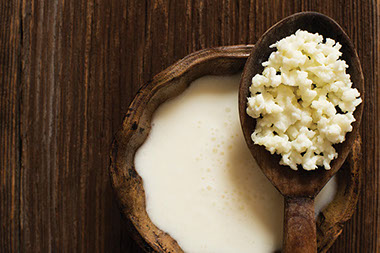
    Image of kefir.

    One of the newer additions to the dairy section, kefir is a type of fermented milk product similar to yogurt. Its consistency is generally thin, so it’s usually sold in bottles as a drink. But what makes it different from yogurt, besides the ability to skip the spoon?

    Like yogurt, kefir is usually made from dairy milk that is fermented with helpful bacteria (though it can be made with non-dairy milks as well). These bacteria, known as probiotics, may have a number of health benefits, according to the National Center for Complementary and Integrative Health. Probiotics may be helpful in treating the following issues:

    *  Diarrhea, constipation, irritable bowel syndrome and other bowel disorders

    *  Digestive problems, such as acid reflux

    *  The common cold

    *  Seasonal allergies and eczema

    *  Cavities and gum disease

    *  Colic in babies

    *  Liver disease

    Kefir may also help prevent stomach side effects and complications that arise from taking antibiotics.

    Kefir contains many different strains of probiotics and generally has a bigger variety than store-bought yogurts. It also contains beneficial yeast–an ingredient not found in yogurt. This friendly yeast may help fight off bad yeast in the body, such as those that cause yeast infections.

    Many people who are lactose intolerant can still drink dairy kefir. The lactic acid bacteria found in kefir breaks down the lactose, making it easier to digest. People with dairy allergies, however, should only consume a dairy-free version.

    How to get it:

    Kefir can be made at home with plain milk and kefir starter grains, which are usually found at health food stores. Though plain is healthiest, many people find they need to sweeten it to offset the tart taste. Try mixing it in smoothies with fresh or frozen fruit.

    Many grocery stores carry kefir in the dairy section near the yogurt. Though kefir is healthy, look at the label before purchasing. Some brands and flavors may contain too much sugar or artificial sweeteners.

    © American Institute for Preventive Medicine