Tag: Fads & Diets

  • Gluten-Free Diet Is Treatment, Not Trend

    MEDICAL NEWS

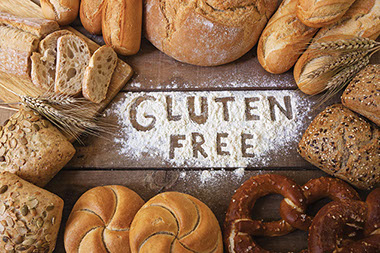
    Image of various breads with the words "Gluten Free" written in powedered white flour.

    You’d never suspect it from the growing number of gluten-free items on supermarket shelves, but only one in about every 133 people has celiac disease. This genetic autoimmune disorder causes the body to react negatively to the intake of gluten, a protein found in wheat, rye, barley, and their byproducts.

    It is estimated that more than 80% of the Americans whose systems can’t tolerate gluten are either not diagnosed or misdiagnosed. And the average time a person waits for a correct diagnosis is more than 10 years. A prime reason is that the symptoms of gluten-related problems vary widely-from migraine headaches and diarrhea to joint pain and skin rashes-and are common to numerous other conditions and disorders.

    When a person with celiac disease consumes gluten, the protein triggers an immune response that damages part of the small intestine called villi, which interferes with the absorption of nutrients from the food. This can cause malnutrition, trigger other health problems-among them cancer, osteoporosis, and infertility-and open the door to other autoimmune disorders.

    “There’s greater awareness of celiac disease, we have better tests, and we know more about who should be screened, but we’re still seeing only the tip of the iceberg,” said  Dr. Anca M. Safta, a gastroenterologist at Wake Forest Baptist Medical Center and director of its Gluten & Allergic Digestive Disorders Program.

    A simple antibody blood test can screen for celiac disease. And because the disease is inherited, there’s also genetic testing. But while these tests can eliminate the possibility of celiac disease, they can’t confirm its presence. That usually has to be done with an endoscopic biopsy. This procedure examines the small intestine and removes tissue samples for analysis.

    If the biopsy results are positive for celiac disease, the only way to repair existing damage to the small intestine and prevent reoccurrence is for the person to adopt a strict gluten-free diet.

    That’s also the treatment for people with non-celiac gluten sensitivity. This has symptoms much like those of celiac disease but doesn’t cause the same intestinal damage and can’t be identified through blood or tissue testing.

    Steering completely clear of gluten can be tricky. Gluten isn’t just in grain-based products such as bread, cereal, cookies, pastry, pasta, and beer. It also can be found in candy, ice cream, lunch meats, cooking oil, salad dressing, condiments, instant coffee, soup mixes, and a host of other processed foods. Vitamins, toothpaste, and lipstick can also contain gluten.

    Gluten-free products are more plentiful than ever, but they’re also costly-nearly 250% more expensive than their conventional counterparts. And because even small amounts of gluten can produce negative effects, cross-contamination-when gluten-free foods come into contact with or are prepared with gluten products-is a threat, especially when eating outside the home.

    Is going gluten-free good for everybody? In a word, no.

    “It’s not necessarily a healthier diet if you don’t need it,” Dr. Safta said.

    Any time you restrict your diet, you have a greater chance of not getting all the nutrients you need. You risk developing a nutrient or vitamin deficiency because gluten-free products aren’t fortified or enriched like most regular bread and cereal products are.

    Going gluten-free is not the best way to shed excess pounds. Weight loss is generally due to eating fewer processed foods and more fruits and vegetables, not shunning gluten. And gluten-free foods can contain as many calories as standard products, or even more.

    © American Institute for Preventive Medicine
  • Go With The Grain

    HEALTHY EATING

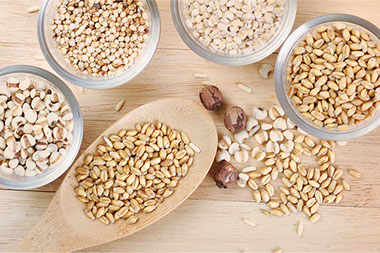
    Image of different grains.

    With one look down the grocery store aisle or a quick glance at a restaurant menu, it’s clear that whole-grain options are popping up everywhere. From quinoa to buckwheat and farro to freekeh, the number of grain possibilities is growing, leaving home cooks and diners puzzled by how to choose the right one and know how to prepare it.

    Not only do whole grains provide an array of health benefits, they can also be an excellent base for hearty dishes that taste great and are remarkably filling. Whether featured in a salad, formed into a patty as a vegetarian burger option, warmed up for breakfast, or used as the base of a thick stew, grains are extremely versatile and can be enjoyed as part of breakfast, lunch, dinner or dessert.

    Although cooking with grains can seem like a daunting task, the chef instructors at Le Cordon Bleu encourage home cooks to soak their long-cooking grains, whether for a few hours or overnight, to minimize the cooking time. This also ensures that any resin left on the grain that can cause a bitter taste will get washed off.

    They also suggest these cooking tips:

    *  Whole-grain options can be customized for each meal of the day. Make a big batch of steel-cut oats on Sunday evening and eat it for breakfast throughout the week. Add quinoa to lunchtime salads-add the dressing in advance so the grain fully absorbs the flavors of the dish. For dinner, add wheat berries or barley to soups for a hearty, filling meal.

    *  Resist the urge to stir grains as they are cooking. Stirring causes whole grains, especially rice, to become sticky and clump together, making it difficult to prepare a fluffy, flavorful dish.

    *  After they are cooked, whole grains stay fresh for several days in the refrigerator. You can cook a large pot of brown rice or quinoa at the beginning of the week and use it in dishes throughout the week to save cooking time.

    © American Institute for Preventive Medicine

  • Paleo Diet: The Good And The Bad

    HEALTHY EATING

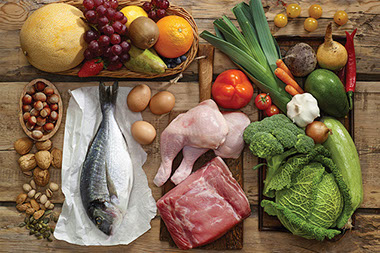
    Image of items that are apart of a Paleo diet.

    Fads come and go – and not just hairstyles and clothing choices. Diets go through fads, too – and one of the latest is the popular Paleo diet.

    The name “Paleo” refers to our Paleolithic ancestors, also known as “cavemen.” The creators of the Paleo Diet say the foods included are those that would have been eaten by our ancestors, long before humans had agriculture and modern-day processed foods.

    Although eating more whole foods can be a good thing, the American Academy of Nutrition and Dietetics says this diet isn’t in line with current healthy eating guidelines. Here’s the pros and cons to the Paleo diet:

    THE GOOD:Processed foods are out. Chips, crackers, and other unhealthy processed foods are not allowed.

    THE BAD:Eliminating all processed foods is difficult for most people. This could lead to frustration and diet failure.

    THE GOOD:No sugar is allowed.

    THE BAD:Because milk products contain natural sugar, no dairy is allowed with the exception of butter. Milk, cheese, and yogurt are good sources of calcium, and skipping them makes it difficult to get enough of this mineral in your daily diet.

    THE GOOD:Promotes vegetables.

    THE BAD:Only small amounts of fruit are allowed. Because of their natural sugar content, the Paleo diet doesn’t allow you to eat more than a small amount each day.

    THE GOOD:You’re encouraged to eat lean meats and fish.

    THE BAD:The Paleo diet suggests far more meat than the USDA advises. Diets heavy in animal fat and protein may increase your risk of heart disease due to their saturated fat content. Also, healthy vegetarian sources of protein such as beans and legumes are not allowed. These foods offer fiber and nutrients most people need in their diet and should eat regularly.

    BOTTOM LINE:

    The emphasis on vegetables and lean meats is a good concept that can offer health benefits. But, limiting or avoiding healthy foods such as dairy and fruit limits your intake of important nutrients. The USDA Guidelines, found atchoosemyplate.gov, offer a more varied – and heart-healthy – approach to eating.

    Talk with your physician before starting any diet program.

    © American Institute for Preventive Medicine