Tag: Family Fitness

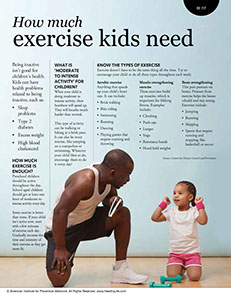
  • How Much Exercise Kids Need

    BE FIT

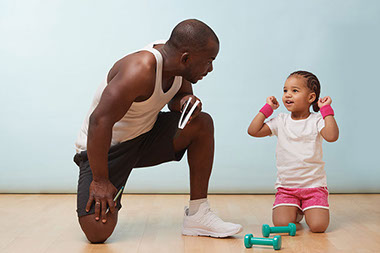
    Father and young daughter about to exercise.

    Being inactive isn’t good for children’s health. Kids can have health problems related to being inactive, such as:

    *  Sleep problems

    *  Type 2 diabetes

    *  Excess weight

    *  High blood cholesterol

    How much exercise is enough?

    Preschool children should be active throughout the day. School aged children should get at least one hour of moderate to intense activity every day. Some exercise is better than none. If your child isn’t active now, start with a few minutes of exercise each day. Gradually increase the time and intensity of their exercise as they get more fit.

    What is ‘moderate to intense activity’ for children?

    When your child is doing moderate to intense activity, their heartbeat will speed up. They will breathe much harder than normal.

    This type of activity can be walking or biking at a brisk pace. It can also be more intense, like jumping on a trampoline or swimming. Whatever your child likes to do, encourage them to do it every day!

    Know the types of exercise

    Exercise doesn’t have to be the same thing all the time. Try to encourage your child to do all three types throughout each week:

    Aerobic exercise

    Anything that speeds up your child’s heart rate. It can include:

    *  Brisk walking

    *  Bike riding

    *  Swimming

    *  Running

    *  Dancing

    *  Playing games that require running and throwing

    Muscle-strengthening exercise

    These exercises build up muscles, which is important for lifelong fitness. Examples include:

    *  Climbing

    *  Push-ups

    *  Lunges

    *  Yoga

    *  Resistance bands

    *  Hand-held weights

    Bone-strengthening

    This puts pressure on bones. Pressure from exercise helps the bones rebuild and stay strong. Exercises include:

    *  Jumping

    *  Running

    *  Skipping

    *  Sports that require running and stopping, like basketball or soccer

    Source: Centers for Disease Control and Prevention
    © American Institute for Preventive Medicine
  • Kids, Puberty & Sports

    BE FIT

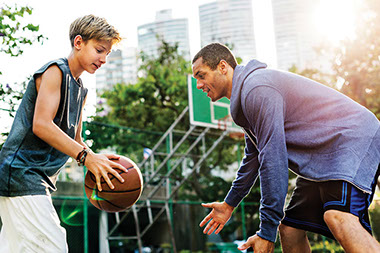
    Adult and teen playing basketball.

    Sports can be a great way for kids to develop social skills, teamwork and resilience. But it’s important to know that athletic ability changes as kids grow.

    Growth affects performance

    During puberty, boys and girls have a growth spurt that can change their athletic ability. After going through puberty:

    *  Boys may notice more muscle strength and overall bigger body size.

    *  Girls often lose some muscle mass. They may temporarily lose some of their speed or agility.

    *  Kids could feel “clumsy” as they adjust to being taller. The brain hasn’t yet adjusted to this new height and may affect balance skills or body control.

    *  It may be harder to throw or hit a ball with longer arms.

    *  Girls may have headaches, mood swings or cramps during menstruation.

    Puberty & knee injuries

    As kids get taller and heavier, they have a higher risk of anterior cruciate ligament (ACL) injury. The ACL is an important ligament that supports the knee.

    ACL injuries can be serious. They may require surgery and can increase the risk of knee arthritis later in life.

    Most ACL injuries happen when a person suddenly stops, changes direction, jumps or lands on the ground. They don’t usually happen from a blow to the knee. Sometimes an ACL injury causes a “popping” sound as it occurs.

    ACL injuries may cause swelling, severe pain, and inability to put weight on the knee. If your child injures their knee, see a doctor right away.

    Positive support is key

    Coaches who know about the effects of puberty can help kids. In addition, parents can help their kids by being positive and supportive. Yelling at kids or being put down may cause them to quit their sport. Remember that changes caused by puberty are only temporary.

    Source: American Academy of Pediatrics

    © American Institute for Preventive Medicine
  • Youth Sports Safety

    Family Fitness

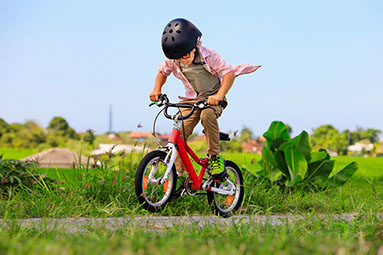
    Young child riding a bike.

    Every year, millions of children are injured while playing sports and doing physical activities. Most of these injuries could be prevented.

    Wearing a safety helmet helps prevent a closed head injury when biking, inline skating, etc.

    Some states and localities have mandatory laws for helmet usage.

    All helmets sold in the U.S. must meet the Consumer Product Safety Commission standard. There must be a sticker on the inside stating this. The fit of the helmet is not tested by the standards, so you should try the helmet on your child’s head before buying.

    Learn more about safety helmets from the Bicycle Helmet Safety Institute athelmets.org.

    Get youth sports safety guidelines from the National Youth Sports Health & Safety Institute atacsm.org/nyshsi/best-practices.

    A Year of Health Hints book by the American Institute for Preventive Medicine. www.HealthyLife.com. All rights reserved.

    © American Institute for Preventive Medicine
  • 5 Ways To Fight Childhood Obesity

    FAMILY LIFE

    Image of boy with a glass of milk and an apple.

    Parents should set the example and be persistent, said Dr. Felipe Lobelo, who specializes in nutrition, physical activity, and obesity at the CDC.

    1.Eat more fruits and vegetables.Serve vegetables your kids are most likely to eat.

    2.Spend less time in front of a screen.Place limits on the amount of time kids spend in front of a TV or computer-no more than 2 hours a day is a good guide.

    3.Exercise more.Just play outside for at least an hour a day.

    4.Eliminate sugary drinks.Avoid soft drinks, juices, and energy drinks. Encourage kids to drink water.

    5.Set the example.Good eating habits start at home.

    © American Institute for Preventive Medicine

  • Getting Active As A Family

    FAMILY LIFE

    Image of family jogging.

    One of the best ways to prevent weight problems in children is to make exercise and activity a family event. Not only can parents set a good example, but it helps everyone get healthier while bonding and having fun together. The U.S. Department of Health and Human Services offers some tips:

    *  Find some free time. Being active together just twice a week can have health and emotional benefits. Try to find some 30-minute time slots and put your activity time on the calendar.

    *  Don’t make too many changes at once. To get everyone on board, start gradually and be sure to celebrate each time you make a healthy change.

    *  Ask for the kids’ ideas. Ask your kids about where they’d like to walk or bike. Talk to them about sports or activities they want to try.

    Remember, any time you make a change toward more activity and less screen time, you’re helping everyone in your family lead a healthier life.

    © American Institute for Preventive Medicine

  • Kids And Concussions: What To Know

    WELL-BEING

    Image of mom holding child with a bump on the head.

    Many kids get a bump or blow to the head while playing sports or other activities. If the hit is hard enough, a child can have a concussion, which is a type of traumatic brain injury. During a concussion, the brain bumps against the inside of the skull. This can cause changes in the way the brain works and can lead to long-term problems.

    How do I know if my child had a concussion?

    Many people mistakenly think that if the child doesn’t “black out,” then they’re okay. Although losing consciousness is a sign that a concussion is likely, it’s not the only way to know. A concussion can happen even if the child never loses consciousness. Look for:

    *  Nausea and vomiting

    *  Dizziness

    *  Blurred vision

    *  Sensitivity to light

    *  Tiredness

    Some kids don’t show symptoms right away. If your child suffered a hit to the head, look for these problems that can occur days or weeks after a concussion:

    *  Trouble concentrating or problems with schoolwork

    *  Headaches

    *  Memory problems

    *  Confusion or changes in behavior

    *  Changes in their movement, coordination or walking

    Anything that seems unusual after a blow to the head should be checked by a doctor.

    What to do after a concussion

    Right after the injury, the child should:

    *  Stop the sport or activity.

    *  Get medical help immediately.

    *  Lie down on back with head and shoulders slightly raised while waiting for help to arrive.

    Parents or adults should watch the child’s breathing and whether they stay awake. If the child isn’t breathing or doesn’t have a pulse, begin CPR.

    Returning to sports or activities

    The brain needs time to heal after a concussion. If the child starts activities too soon, they are more likely to have another concussion and to suffer more serious brain damage. Ask the child’s doctor when they can gradually begin physical and mental activities again.

    Preventing concussions

    To prevent a brain injury like a concussion, make sure your child:

    *  Wears a helmet during all contact sports, such as football, or in cases where a fall could happen, such as while biking, skating, horseback riding, and skiing.

    *  Wears a seatbelt and/or has the right car seat for riding in a vehicle.

    Concussions can happen to the best athletes with the most careful parents. If it happens to your child, remember to give the child’s brain plenty of time to rest and recover. This can help avoid long-term problems down the road.

    Source: National Institutes of Health

    © American Institute for Preventive Medicine

  • Stay Healthy When Swimming

    WELL-BEING

    Image of beach ball in swimming pool.

    Did you know you can get sick from swimming? Whether it’s a pool, hot tub, water park, fountain, lake, river or ocean, some water can have germs or chemicals in it that cause recreational water illness (RWI). And, the number of RWI outbreaks have increased steadily in the last 30 years.

    RWIs can ruin summer fun

    RWIs most often cause diarrhea, but they can make you sick in other ways too. They can also cause nausea and vomiting, skin rashes, and infections of the eyes, ears, skin and respiratory system.

    Most healthy people will recover from RWIs, but they can be dangerous to pregnant women, young children, and people with weakened immune systems.

    Healthy swimming guidelines

    Many times, the water may look clean and safe when it contains dangerous germs or unsafe chemicals. Though proper chlorine levels are important, some germs are not killed by chlorine. Some water may be treated with too much chlorine or an improper balance that can make people sick. So what can you do to enjoy the water this summer and stay healthy?

    *  Don’t swim when you have diarrhea or you’ve been vomiting. Even a tiny, invisible amount of germs can get in the water and make others sick.

    *  Never get swimming water in your mouth. Keep your mouth closed when underwater.

    *  Shower with soap before you swim and wash your hands after using the toilet or changing diapers. Have your children wash their hands as well.

    *  Don’t allow kids to play in fountains that haven’t been treated with chlorine.

    *  Stop swimming at least once every hour for bathroom breaks and/or diaper changes. Use swim diapers on kids who aren’t potty trained. Many kids will have “accidents” in the water if they don’t get out to use the bathroom.

    *  Don’t change diapers near the swimming area. Do it in a bathroom or away from the water.

    *  If you own a pool, check chlorine levels regularly. Use pool test strips to check for proper pH levels and chemical balances.

    *  Ask to see the last pool inspection report before swimming in a public pool or water park.

    The germ that survives chlorine

    Cryptosporidium, commonly called crypto, is a bacteria that can be spread in swimming water. Chlorine won’t kill crypto, and people with weakened immune systems can get very sick from it. It can cause severe watery diarrhea and is a leading cause of RWIs. To avoid getting or spreading crypto, follow the healthy swimming guidelines on this page. It is not killed by hand sanitizer, so washing hands with soap and water is critical.

    © American Institute for Preventive Medicine