Tag: Family Life

  • 6 Ways To Help New Parents

    FAMILY LIFE

    Young couple holding newborn.

    New parents need the support to weather all the challenges & changes. Try these practical ways to help the new parents in your life.

    1.  Drop off freezer meals. A fresh meal is greatly appreciated, but having a stash of freezer meals is extra insurance for future tough days.

    2.  Clean the house. Whether you roll up your sleeves yourself or hire a service, a clean, tidy home can be a big load off a new parent’s mind.

    3.  Help with yard work. Rake, mow, prune, mulch, water, and weed so mom and dad can focus on the baby.

    4.  Hold the baby. Sometimes, all new parents need is someone else to snuggle and comfort the baby while they take a nap.

    5.  Give them a night out. Once the baby is old enough, the greatest gift you can give new parents is a chance to get away on their own and reconnect.

    6.  Provide a listening ear. New parents spend all day engaging with their baby. They need time to relax and chat with adults too!

    © American Institute for Preventive Medicine

  • Anxious Kids, Anxious Parents

    FAMILY LIFE

    Image of young child.

    How do you manage a child who gets stomachaches every school morning? Or one who refuses to go to after-school activities? Or who is trapped in the bathroom with frequent hand washing?

    One in every 5 kids suffers from a diagnosable anxiety disorder. Experts Reid Wilson, professor of psychiatry at the University of North Carolina School of Medicine, and Lynn Lyons, a social worker and psychotherapist, say anxiety disorders are the number one reason why parents bring a child to a mental health professional.

    “When kids grow and step into new experiences, they should have questions and uncertainties. Worry becomes a problem when a child is consistently avoiding activities or experiences that are a normal part of development,” according to these experts.

    How do you know if your child may have anxiety? Wilson and Lyons, authors of Anxious Kids, Anxious Parents: 7 Ways to Stop the Worry Cycle and Raise Courageous & Independent Children, say to look for the following behaviors and see a mental health professional with your concerns (worry, they say, may run in families):

    *  They cling to you.

    *  They refuse to try new activities.

    *  They continually ask you for reassurance of their “what if” questions.

    *  They feel sick and complain of aches, pains, and nausea.

    *  They avoid school or cry or throw tantrums if you force them to go.

    *  They act shy and don’t talk in class or around others.

    *  They worry about future or past events (“I will look stupid reading this book report” or “Did I make my best friend mad?” or “Something bad is going to happen to my family”).

    Children can learn to manage their uncertainty, but sometimes it takes a professional to help.

    © American Institute for Preventive Medicine

  • Create Family Ties

    FAMILY LIFE

    Image of three generational family.

    Families who spend time together as a cohesive unit are more likely to survive a crisis, such as an illness or job loss than those with poor coping skills.

    According to the CDC, good communication between parents and children is important for developing positive relationships.

    *  Teach active listening skills. Pay attention to what others say. Ask questions if you don’t understand what your spouse or children are trying to tell you.

    *  Hold regular family meetings to present complaints and set mutual goals and plans.

    *  Celebrate birthdays, holidays and other special occasions together.

    *  Learn the value of compromise.

    *  Be flexible. This is especially important if one parent returns to work or if one wage earner loses his or her job.

    *  Allow for individual strengths and interests. Don’t compare brothers and sisters. Allow family members to have “their own space.”

    © American Institute for Preventive Medicine

  • How Was Your Day At School?

    FAMILY LIFE

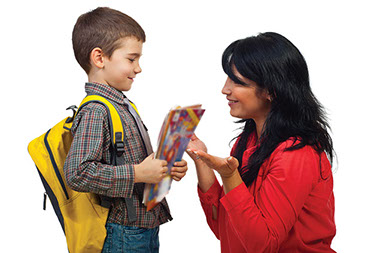
    Image of mother and her school-age child.

    Students are back in school, and now is the time for parents to develop routines to help their children succeed academically. Kimberly Greder, Iowa State University Extension and Outreach family life specialist, says parental involvement, more than income or social status, is a predictor of student achievement.

    *  Create a home environment that encourages learning. Set high but reasonable expectations for your kids.

    *  Get involved, with your kids, in school and community activities. Ask about homework. Visit with teachers and school counselors. Ask them what you can do at home to help your kids succeed.

    *  Ask your kids about their day at school.

    *  Encourage reading at home and be a role model.

    *  Watch who your kids hang out with. Make sure they are doing healthy activities.

    *  Get your kids involved in activities or sports to develop leadership skills and positive communication and conflict resolution skills.

    © American Institute for Preventive Medicine

  • Picky Eater?

    HEALTHY EATING

    Image of young child with a sad face looking down at a bowl of brussel sprouts.

    Is dinner time a war zone at your house? Do you fight battles with your kids over vegetables and mac and cheese?

    Picky eating is as normal as potty-training. Even the best of parents can have a difficult time getting their child to eat. In fact, picky eating is one of the most common events in children, often outgrown as the child reaches adolescence.

    But when eating behavior affects normal development, it could be something much more serious-a pediatric feeding disorder.

    “The difference between a fussy eater and a child with a feeding disorder is the impact the eating behavior has on a child’s physical and mental health,” said Dr. Peter Girolami, clinical director of the Pediatric Feeding Disorders Program at the Kennedy Krieger Institute in Baltimore.

    Pediatric feeding disorders are more common than most think, affecting 1 in 10 infants and children. Some kids just don’t eat enough calories and nutrients to thrive.

    Common symptoms of a pediatric feeding disorder are these:

    *  A sudden change in eating habits lasting longer than 30 days

    *  Delayed development of skills needed to feed or eat foods with greater textures

    *  Weight loss or failure to gain weight

    *  Choking/coughing during meals

    *  Unexplained fatigue, loss of energy

    *  Disruptive behavior during mealtime, throwing utensils

    Early diagnosis and treatment is extremely important.

    © American Institute for Preventive Medicine

  • Stepping Into The Stepparent Role

    FAMILY LIFE

    Image of husband and wife and two children.

    Stepfamilies face unique challenges and situations, especially when the family is newly blended. If you’re just getting to know your new stepfamily, it may take some time for everyone to feel comfortable with the new situation, says the National Stepfamily Resource Center. The organization offers this advice for new stepparents:

    *Understand that bonding takes time.Children of any age may need to get used to their new family. Try not to get discouraged if things don’t go smoothly right away.

    *Communication is key.All families need good communication. This means listening to each other and addressing problems and arguments calmly and directly.

    *Show interest in your stepchildren.Attend their activities, listen to their opinions, and ask them specific questions about their day. Try new family activities together such as walks in the park, bike rides, or something everyone will enjoy.

    *Use compromise to solve problems.Don’t use a “my way or the highway” approach, or the stepchild may become distant or show difficult behavior.

    *See a family counselor or therapistif you need extra help.

    © American Institute for Preventive Medicine

  • Tips To Help Kids Succeed

    FAMILY LIFE

    Image of kid holding an 'A' graded paper with thumbs up.

    Parenting is not an easy job, and it seems there are thousands of ways to do it. With so many parenting books and techniques available, how do you know what works? Sometimes, it helps to go back to the basics. You don’t have to be perfect or read every parenting book on the market.

    Years of research from medical experts says the following parenting tips will help keep your kids healthy and happy:

    *Be loving.Kids need love every day. Tell them you love them and give hugs and kisses.

    *Give them comfort.If a child is scared, help them to feel safe. Take steps to protect them and help them cope with fears.

    *Spend time with them.Set aside time each day to focus on them, and put the phones and devices away during this time. Point out good things they do. Be specific. For example, you might say, “I’m really proud of you for cleaning your room without being asked.”

    *Be a good listener.No matter what the topic, kids will feel valued if you look at them and listen to what they say.

    *Use a routine.Kids like to know what’s coming next. Set times for bed, meals and simple chores to help them feel secure.

    *Forgive mistakes.Help them by saying what they could do next time to avoid the mistake. Don’t criticize them as a person by saying, “you were bad.”

    *Have rules & stick to them.Parents, babysitters and other caregivers should follow the same rules. Don’t change them or let certain people break them. This only creates confusion and can lead to behavior problems.

    Even with the best advice, parents may need help from an expert. This doesn’t mean you’re a bad parent. Sometimes, talking to someone who can help makes a big difference. If you feel you need help with parenting, try the following resources:

    *  Your child’s pediatrician

    *  Your own primary doctor

    *  Local parenting classes at hospitals, schools or community centers

    *  A family counselor or minister

    *  Online support groups

    Don’t be embarrassed to ask for help. It’s a sign that you want to be the best parent you can be, and that’s a good thing!

    © American Institute for Preventive Medicine

  • Advocate Against Domestic Violence

    FAMILY LIFE

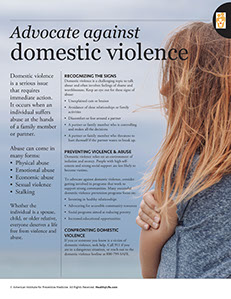
    Back of women, wind blowing her hair as she hugs herself.

    Domestic violence is a serious issue that requires immediate action. It occurs when an individual suffers abuse at the hands of a family member or partner.

    Abuse can come in many forms:

    *  Physical abuse

    *  Emotional abuse

    *  Economic abuse

    *  Sexual violence

    *  Stalking

    Whether the individual is a spouse, child, or older relative, everyone deserves a life free from violence and abuse.

    Recognizing the signs

    Domestic violence is a challenging topic to talk about and often involves feelings of shame and worthlessness. Keep an eye out for these signs of abuse:

    *  Unexplained cuts or bruises

    *  Avoidance of close relationships or family activities

    *  Discomfort or fear around a partner

    *  A partner or family member who is controlling and makes all the decisions

    *  A partner or family member who threatens to hurt themself if the partner wants to break up.

    Preventing violence & abuse

    Domestic violence relies on an environment of isolation and secrecy. People with high self-esteem and strong social support are less likely to become victims.

    To advocate against domestic violence, consider getting involved in programs that work to support strong communities. Many successful domestic violence prevention programs focus on:

    *  Investing in healthy relationships

    *  Advocating for accessible community resources

    *  Social programs aimed at reducing poverty

    *  Increased educational opportunities

    Confronting domestic violence

    If you or someone you know is a victim of domestic violence, seek help. Call 911 if you are in a dangerous situation, or reach out to the domestic violence hotline at 800-799-SAFE.

    © American Institute for Preventive Medicine

  • Avoiding Chemicals In The Home

    SELF-CARE CORNER

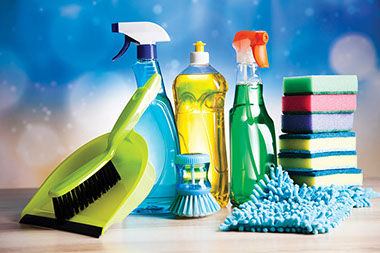
    Image of variety of cleaning supplies.

    Many common household items contain chemicals. Not all chemicals are bad for your health, but some can be harmful. To keep yourself and your family healthy, it’s best to take steps to reduce or avoid chemicals that could be unsafe.

    Did you know possible toxic substances can be found in cleaning products, furniture, carpet and shower curtains? Here’s how to avoid unsafe levels of toxins:

    *Read labels carefully.Many cleaning products have warnings and directions for how to use them. Follow these carefully. For instance, if it says, “use in a well-ventilated area,” you should be sure to open a window to the outside.

    *Be aware of odors.If something gives you a headache, sore throat or makes you cough, this may be a sign that you shouldn’t use it anymore.

    *Protect your skin.Wear gloves when using cleaning products and wash your hands after cleaning. Don’t let children use products with any chemicals in them like bleach, ammonia or strong cleaning ingredients.

    *Get checked for lead.If you live in a home built before 1980, ask your local health department how you can get your home and water checked for lead. You can’t see, smell or taste lead. Lead is harmful to the brain and affects children’s development. Find out if your home is at risk and take steps to get it removed, if needed.

    *Avoid pesticides whenever possible.Contact professional pest control companies for insect problems.

    *Choose fragrance-free products when possible.Many fragrances contain chemicals that disrupt hormone functions in the body. Also, some people are sensitive to fragrances.

    *Replace old nonstick pans that look worn or scratched.They may contain chemicals that can get into your food.

    *Look for cleaning products that have the Environmental Protection Agency’s “Safer Choice” label.For more information, visitwww.epa.gov/saferchoice/products.

    If someone in your home may have ingested a poisonous product, call The American Association of Poison Control Centers at (800) 222-1222.

    Remove dust for a healthier home

    Did you know household dust often contains chemicals and toxins from your home? A good way to reduce your exposure to them is to keep dust down. Try these tips:

    *  Choose non-toxic or “Safer Choice” cleaning products. White vinegar is an effective non-toxic cleaner for many surfaces.

    *  Use a damp rag without chemicals to dust.

    *  Clean floors with a damp mop or a steam-only mop.

    *  Vacuum floors regularly and use a vacuum with a high efficiency particulate air (HEPA) filter.

    *  Open windows to bring in fresh air whenever possible.

    *  Change furnace and air filters regularly.

    *  Wash hands often.

    Source: National Institutes of Health, Environmental Protection Agency

    © American Institute for Preventive Medicine

  • Crowd Control

    MEDICAL NEWS

    Image of a crowd of people.

    Wherever there are crowds, such as at football games, conventions, or music concerts, there are germs. Mayo Clinic infectious diseases expert Dr. Gregory Poland tells how you can avoid illness when you’re in a large throng of people, even in subways and on airplanes.

    Whenever you’re in a venue with hundreds or thousands of people gathering, you automatically run increased risk for getting “something.” The people around you may not have the same immunization programs or the same standards of personal cleanliness or food safety, he said, especially if you’re in an international group.

    Besides illnesses such as whooping cough, measles, mumps, colds and flu, other heightened dangers in places with large numbers of people passing through include respiratory diseases such as tuberculosis; vermin such as head lice and bedbugs; food-borne sickness such as E. coli, salmonella, hepatitis A and traveler’s diarrhea; and skin conditions including athlete’s foot and staph infections.

    Dr. Poland offers these tips for sidestepping illness:

    *  Keep your vaccines up to date: The most important ones include the MMR vaccine for measles, mumps and rubella; the seasonal flu shot; and a relatively new vaccine called Tdap, for tetanus, diphtheria, and whooping cough.

    *  Wash your hands thoroughly with soap and hot water or an alcohol-based hand sanitizer.

    *  Dine carefully: If it’s not cooked well, boiled or peeled, forget it. Make sure food that is supposed to be hot is served hot and food that is supposed to be cold is served cold, and make sure dishes and utensils are clean.

    *  Wear shower/pool shoes when using the shower or pool in public places.

    *  Avoid swimming pools, hot tubs, or whirlpools unless you are certain they are properly maintained, and it’s hard to tell.

    *  Don’t smoke: It raises the odds you’ll get Legionnaires’ disease if you’re exposed to the legionella bacteria and can also make you more susceptible to respiratory illnesses in general.

    *  Don’t try on hats in stores to minimize the risk of getting head lice. If you buy a hat, seal it in a plastic bag to carry it home, then freeze it for several days or launder it before wearing.

    *  Scout for bedbugs in a hotel room, and once in a room, only place your luggage on wooden surfaces or in the bathtub, not on the floor, bed, chair or couch until you determine whether bedbugs are present.

    *  Be an advocate for your health: If someone near you is obviously ill, move away if you can, or ask to be reseated.

    © American Institute for Preventive Medicine