Tag: FAST

  • Stroke (Brain Attack)

    First Aid

    A stroke is also called a “brain attack.” With a stroke, brain cells die due to a blood clot or rupture of a blood vessel in the brain. The end result is brain damage (and possible death).

    In the U.S., strokes are the 3rd leading cause of death. They are the leading cause of adult disability.

    Signs & Symptoms

    *  Sudden numbness or weakness of the face, arm, or leg, especially on one side of the body.

    *  Sudden confusion, trouble speaking or understanding.

    *  Sudden trouble seeing in one or both eyes.

    *  Sudden trouble walking, dizziness, loss of balance or coordination.

    *  Sudden severe headache with no known cause.

    Causes

    Most strokes are caused by a blood clot in an artery in the neck or brain. Some are caused by bleeding into or around the brain.

    Risk Factors for a Stroke

    *  Previous stroke or transient ischemic attack (TIA)-a temporary lack of blood supply to the brain.

    *  Atrial fibrillation. This is an irregular beating of the heart.

    *  High blood pressure. Cigarette smoking. Diabetes. Coronary artery disease.

    *  Being a male over age 70.
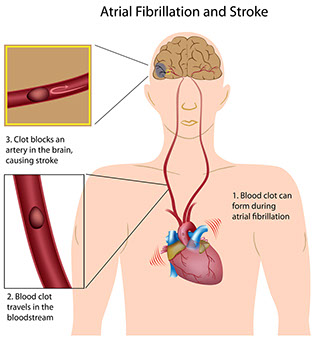
    Illustration of how a stroke is caused.

    Prevention

    *  Take medicine(s), as prescribed, to control blood pressure, blood cholesterol, diabetes, and atrial fibrillation. Aspirin may help reduce the risk of stroke in women ages 55-79 years. Discuss this with your doctor.

    *  Get to and stay at a healthy weight. Get regular exercise.

    *  Don’t smoke. If you smoke, quit. Use alcohol in moderation. Manage stress.

    Questions to Ask

    Self-Care / Prevention

    First Aid before Emergency Care

    *  Note the time when the first sign(s) of stroke occurred. Report this time to emergency personnel. For the most common type of strokes, a clot-busting drug should to be given within 3 hours of the start of symptoms.

    *  Do not give the person anything to eat or drink. Do not give aspirin.
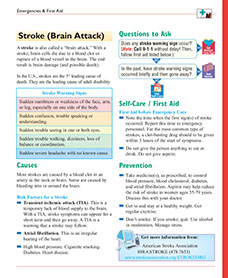
    Healthier at Home book by the American Institute for Preventive Medicine. www.HealthyLife.com. All rights reserved.

    © American Institute for Preventive Medicine

  • Fun, Fast Indoor Workouts

    BE FIT

    Image of middle-aged man with headphones on dancing.

    When the winter months hit, it can be difficult to get outside to exercise. Snow, ice, wind, and rain can put a damper on your regular walk around the neighborhoods.

    But regular exercise cuts your risk for heart disease, diabetes, depression, and even some cancers, according to the CDC. So don’t cut your workout routine when the weather doesn’t cooperate. Bring the workout into your home with these tips:

    1.Just dance.Not only is it fun, but you can burn a lot of calories and customize it to work for you. Turn on your favorite tunes and start moving. For maximum benefit, do a 5-minute warm-up, 20-30 minutes of active dancing, and a 5-minute cool down. If you can’t do that much to start, just try a few minutes and add more time each week as you are able.

    2.March or jump.If dancing isn’t for you, marching around the house, or even just in your living room, can provide great benefits. Mix it up every few minutes by doing a few jumping jacks. You can also “pretend” you’re jumping rope by doing the motions without a rope. Watch videos that guide you through indoor walking or other aerobic activities.

    3.Strength training.You don’t need fancy weight machines or equipment. Use a resistance band to strengthen your arms and legs. Try simple exercises like squats, lunges, and push-ups. Take care to do them correctly. If you have an injury or health condition that restricts movement, talk with your doctor about exercises that are right for you.

    With a little creativity, you can have your own body-and-mind-boosting workout in the comfort of your home – no matter what the weather.

    © American Institute for Preventive Medicine

  • Minutes Count With A Stroke

    MEDICAL NEWS

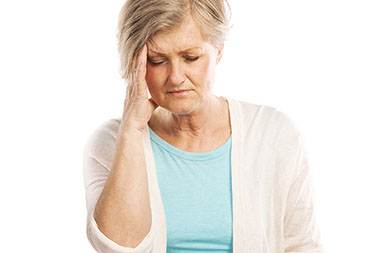
    Image of older women with hand on head.

    If someone were having a stroke, would you recognize the signs? Would you know what to do?

    These are important questions to consider. During a stroke, brain cells are damaged due to a blood clot or rupture of a blood vessel in the brain. This can lead to serious disability and death.

    According to the National Institute of Neurological Disorders and Stroke, about 795,000 strokes occur every year. It is the third leading cause of death in the U.S. But with fast action, you might save someone from permanent brain damage.

    Preventing stroke

    Health problems like atrial fibrillation (an irregular beating of the heart), high cholesterol, high blood pressure, heart disease and diabetes increase your risk. Take medicines to control risk factors and follow a heart-healthy lifestyle. Eat right, exercise, limit alcohol and don’t smoke. See your doctor as recommended for health exams and screenings.

    Aspirin may help reduce the risk of stroke due to a blood clot in women ages 55-79 years, but you should discuss the use of aspirin with your doctor before taking it.

    Know the signs of stroke

    The five most common signs and symptoms of stroke:

    *SUDDENnumbness or weakness of the face, arm or leg

    *SUDDENconfusion, trouble speaking or understanding others

    *SUDDENtrouble seeing in one or both eyes

    *SUDDENdizziness, trouble walking or loss of balance or coordination

    *SUDDENsevere headache with no known cause

    What to do

    Call 9-1-1 immediately. Hospital emergency rooms have medication that can dissolve blood clots and restore blood flow to the brain. The window of opportunity is three hours, but in order to receive treatment in time, patients must get to the hospital within 60 minutes. Don’t wait – if you see signs of stroke, seek emergency medical care!

    © American Institute for Preventive Medicine
  • Stroke Signs

    MEDICAL NEWS

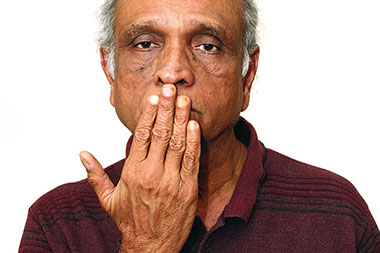
    Image of elderly man with stroke symptoms.

    Seek immediate medical care for someone who shows one or more of the following warning signs: sudden numbness or weakness of the face, arm or leg, especially on one side of the body; sudden confusion, trouble speaking or understanding; sudden trouble seeing in one or both eyes; sudden trouble walking, dizziness, loss of balance or coordination; or sudden, severe headache with no known cause.

    To remember the signs of stroke, the National Stroke Association recommends using the acronymFAST:

    Face:Ask the person to smile. Does one side of the face droop?

    Arms:Ask the person to raise both arms. Does one arm drift downward?

    Speech:Ask the person to speak. Does the person have slurred speech or trouble speaking?

    Time:If you observe any of these signs, call 9-1-1.

    © American Institute for Preventive Medicine