Tag: fasting

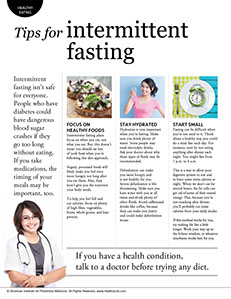
  • Tips For Intermittent Fasting

    HEALTHY EATING

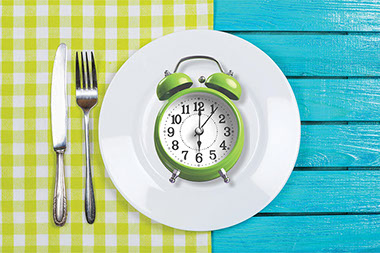
    Clock sitting on top of a white plate.

    If you have a health condition, talk to a doctor before trying any diet.

    Intermittent fasting isn’t safe for everyone. People who have diabetes could have dangerous blood sugar crashes if they go too long without eating. If you take medications, the timing of your meals may be important, too.

    Focus on healthy foods

    Intermittent fasting plans focus on when you eat, not what you eat. But, this doesn’t mean you should eat lots of junk food when you’re following this diet approach.

    Sugary, processed foods will likely make you feel even more hungry not long after you eat them. Also, they won’t give you the nutrients your body needs.

    To help you feel full and cut calories, focus on plenty of high fiber, vegetables, fruits, whole grains, and lean protein.

    Stay hydrated

    Hydration is very important when you’re fasting. Make sure you drink plenty of water. Some people may need electrolyte drinks. Ask your doctor about why these types of fluids may be recommended.

    Dehydration can make you more hungry and is not healthy for you. Severe dehydration is life-threatening. Make sure you have water with you at all times and drink plenty of other fluids. Avoid caffeinated drinks like coffee, because they can make you jittery and could make dehydration worse.

    Start small

    Fasting can be difficult when you’re not used to it. Think about a healthy way you could do a mini fast each day. For instance, start by not eating anything after dinner each night. You might fast from   7 p.m. to 6 a.m.

    This is a way to allow your digestive system to rest and to burn some extra calories at night. When we don’t eat for several hours, the fat cells can get rid of some of their stored energy. Plus, because you’re not snacking after dinner, you’ll probably cut some calories from your daily intake.

    If this method works for you, try making the fast a little longer. Work your way up to the 8-hour window, or whatever timeframe works best for you.
    © American Institute for Preventive Medicine
  • What Is The Intermittent Fasting Diet?

    HEALTHY EATING

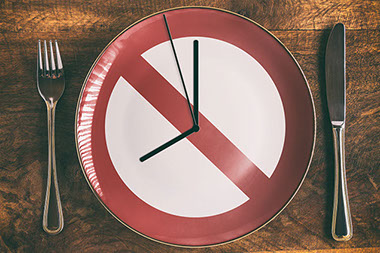
    Concept image of plate with "DO NOT" sign and clock hands.

    The intermittent fasting (IF) diet is one of the latest diet trends. The idea behind the IF diet is to use fasting, or periods of not eating, to lose weight.

    The IF diet does not focus on the types of foods you eat. Instead, it tells you to eat within certain time frames. Some IF plans say you should eat within a few hours of each day. For instance, you can eat within an 8-hour window, from noon to 8 p.m. Then, during the other 16 hours, you do not eat.

    Other IF plans tell you to eat normally for a few days a week and do a “fast” on other days. This fast may mean not eating at all or eating only small amounts. Some plans tell you to eat normally five days a week, followed by a  24-hour fast for two days.

    The history of fasting

    People who support IF diet plans say that humans are built for fasting. Our ancient ancestors didn’t have food available all the time as we do today. They didn’t have refrigerators or ways to keep food fresh and on hand. They didn’t have grocery stores and restaurants open all night.

    Before modern times, humans hunted or gathered plants for food during the day. Then, there would be no food for several hours. Sometimes, they would go for a day or more without eating because they couldn’t get food at all. For these reasons, some people believe that fasting is a way to use a similar approach today.

    More studies

    Many of the IF diet studies have been done using rats. But some small human studies show that IF can help some people lose weight.

    Research shows that IF doesn’t seem to work better than other healthy diets. And, fasting can be hard to do.

    The intermittent fasting diet is not a magical weight loss solution for everyone. But, if you are in good health and your doctor says it’s OK, it may be worth a try.

    © American Institute for Preventive Medicine
  • Other Eating Patterns

    Healthylife® Weigh

    Part 7

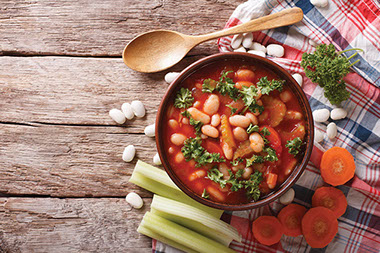
    Homemade bean soup.

    Vegetarian

    Vegetarian diets are plant-based eating patterns. There are variations of the vegetarian diet:

    *  Vegan: includes only foods from plants (e.g., vegetables, fruits, legumes, grains, seeds, and nuts). No foods from animal sources are included.

    *  Lacto-vegetarian: includes plant foods plus cheese and other dairy products.

    *  Lacto-ovo-vegetarian: includes plant foods, cheese, other dairy products, and eggs.

    Vegetarian diets are usually low in saturated fat because animal proteins, a source of saturated fat, are limited or eliminated. Eating a plant-based diet can lower your risk of obesity, coronary heart disease, high blood pressure, type 2 diabetes, and some forms of cancer.

    The healthy eating patterns in this guide encourage you to make most of your food choices from plants. If you follow a vegetarian diet, you don’t need to make many changes to the guidelines in this guide.

    Choose a variety of foods to obtain necessary nutrients. Choose plant-based protein sources. If consuming some animal-based protein sources, choose eggs, seafood, and low-fat dairy.

    Vegetarians are at higher risk for some vitamin and mineral deficiencies. You can obtain these nutrients by eating a variety of plant foods.

    *  Iron can be found in pumpkin seeds, dried beans, legumes, lentils, spinach, whole grains, and enriched products.

    *  Vitamin B12 can be found in fortified breakfast cereals, fortified soy beverages, and some brands of nutritional yeast.

    *  Vitamin D can be found in some mushrooms and pasture-raised eggs. It can also be obtained by spending time in sunlight for at least 15 minutes each day with your arms exposed.

    *  Zinc can be found in whole grains, quinoa, pumpkin seeds, chia seeds, pecans, walnuts, legumes, and shellfish.

    *  Calcium can be found in green leafy vegetables (e.g., spinach, kale), nuts, broccoli, legumes, soybean products, and fortified foods.

    If you are concerned about meeting nutrient requirements, have a dietitian take a closer look at your diet. You may need to take a supplement if you are struggling to meet nutritional requirements from food alone.

    Paleo Diet

    The paleo diet, created by Dr. Loren Cordein, is described as a “caveman” diet that our Paleolithic ancestors would have followed. This is a controversial claim and diet. However, following a paleo diet can point you in the direction of choosing some healthy foods. This diet includes grass-fed meats, fish/seafood, fresh fruits and vegetables, eggs, nuts, seeds, and healthy oils. These are all nutritious foods that fit into MyPlate.

    The diet excludes processed foods, refined sugar, salt, and refined vegetable oils (this guide also suggests you limit them). However, the paleo diet also excludes cereal grains, legumes, dairy, and potatoes. These foods are healthy choices and are included in a healthy eating plan.

    The paleo diet may be high in saturated fats and protein, which may increase risk for heart disease, kidney disease and some cancers if consumed for long periods of time. More research on the paleo diet’s long-term effects is needed. A paleo-themed cookbook or blog may give you ideas for preparing vegetables in different ways or using less sugar. However, avoid strictly following a diet that limits good sources of nutrients, like grains and legumes.

    © American Institute for Preventive Medicine