HEALTHY EATING
© American Institute for Preventive Medicine

HEALTHY EATING
© American Institute for Preventive Medicine

HEALTHY EATING

Fresh corn is healthy, but there’s another great way to enjoy corn: popcorn.
When you think of popcorn, you might think of movie theatres and lots of butter. But popcorn is a naturally healthy food without all the extra butter, oil and salt.
Popcorn is whole grain corn. It’s made from a specific type of corn that pops open when it’s heated. It can be a healthy alternative to higher-calorie snacks like potato chips and crackers. One cup of air-popped corn has just 31 calories and over one gram of fiber.
To keep it healthy, go light on the butter, oil and salt.
Source: United States Department of Agriculture
© American Institute for Preventive Medicine
HEALTHY EATING

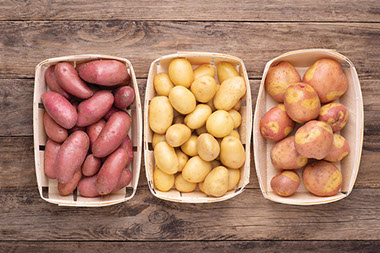
Perhaps you’ve heard the old saying that a potato isn’t a vegetable, it’s a starch. Actually, a potato is a starchy vegetable, so it’s both!
Are potatoes healthy?
Potatoes are higher in starch and calories than other vegetables. But that doesn’t mean you should never eat them. Like any food, enjoy potatoes in moderation. Try to eat a variety of fruits and vegetables each day.
Potatoes supply a good amount of nutrients and can help you feel full. One medium potato has 110 calories and is a good source of:
* Potassium (more than a banana)
* Vitamin C
* Vitamin B6
* Fiber
Eat them all-natural
Potatoes may get an unhealthy reputation because they’re often fried or dressed with high-fat toppings like butter and sour cream. Enjoy potatoes baked or microwaved with a small amount of butter or olive oil and salt-free seasoning or herbs.
Source: United States Department of Agriculture
HEALTHY EATING

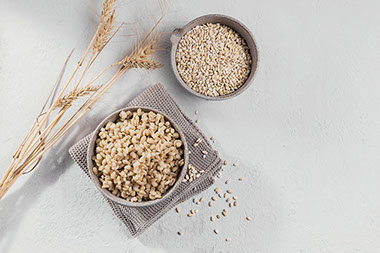
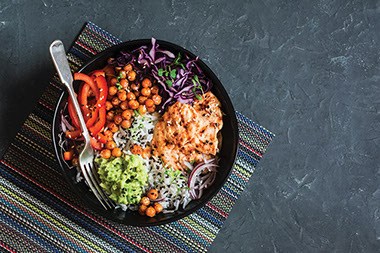
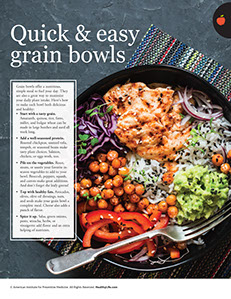
Grain bowls offer a nutritious, simple meal to fuel your day. They are also a great way to maximize your daily plant intake. Here’s how to make each bowl both delicious and healthy:
*Start with a tasty grain.Amaranth, quinoa, rice, farro, millet, and bulgur wheat can be made in large batches and used all week long.
*Add a well-seasoned protein.Roasted chickpeas, sauteed tofu, tempeh, or seasoned beans make tasty plant choices. Salmon, chicken, or eggs work, too.
*Pile on the vegetables.Roast, steam, or sautée your favorite in-season vegetables to add to your bowl. Broccoli, peppers, squash, and carrots make great additions. And don’t forget the leafy greens!
*Top with healthy fats.Avocados, olives, olive oil dressings, nuts, and seeds make your grain bowl a complete meal. Cheese also adds a punch of flavor.
*Spice it up.Salsa, green onions, pesto, sriracha, herbs, or vinaigrette add flavor and an extra helping of nutrients.
WELL-BEING

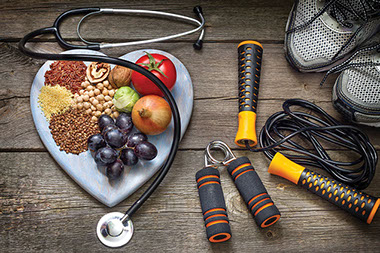
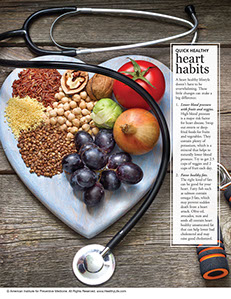
A heart healthy lifestyle doesn’t have to be overwhelming. These little changes can make a big difference:
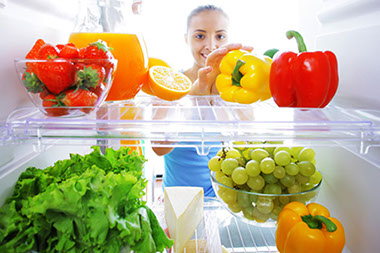
1. Lower blood pressure with fruits and veggies. High blood pressure is a major risk factor for heart disease. Swap out sweets or deep-fried foods for fruits and vegetables. They contain plenty of potassium, which is a mineral that helps to naturally lower blood pressure. Try to get 2.5 cups of veggies and 2 cups of fruit each day.
2. Favor healthy fats. The right kind of fats can be good for your heart. Fatty fish such as salmon contain omega-3 fats, which may prevent sudden death from a heart attack. Olive oil, avocados, nuts and seeds all contain heart healthy unsaturated fat that can help lower bad cholesterol and may raise good cholesterol.

HEALTHY EATING
© American Institute for Preventive Medicine
HEALTHY EATING

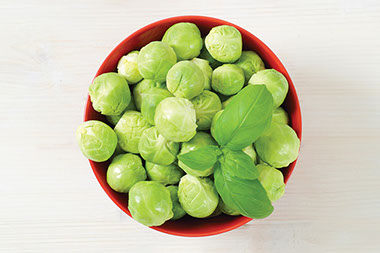
Brussels sprouts may have a reputation for being the vegetable your mother made you eat. But there’s plenty of reasons that adults and kids alike should eat their Brussels sprouts. Their peak season is fall to winter, so now is a good time to try them.
Why eat Brussels sprouts?
Brussels sprouts belong to the cruciferous vegetable family. Other cruciferous vegetables include broccoli, cauliflower, kale and cabbage.
Like other veggies, brussels sprouts are low in calories and packed with nutrients. They also have plenty of fiber to help with digestion. Fiber may also help you feel fuller, longer.
Brussels sprouts also have some special health benefits. They may play a role in reducing the risk of developing cancer.
How to cook brussels sprouts
Brussels sprouts are versatile and can be roasted, used in casseroles, salads and even on pizza. Many people can find a way to cook them that agrees with their tastes.
A popular way to roast them is to toss them with honey, lemon juice or dried fruit for a sweet side dish. But brussels sprouts also work well with savory flavors like parmesan cheese or garlic.
Nutrition
One half cup of cooked Brussels sprouts contains just 28 calories. It also contains 2 grams of fiber and very little fat and carbohydrates. Brussels sprouts are a good source of many important nutrients, including vitamins A and C. These vitamins are antioxidants, which help fight inflammation and some diseases.
In addition, Brussels sprouts are packed with vitamin K, which is important for blood clotting and healthy bones. Brussels sprouts contain important minerals like iron, magnesium and phosphorus. And finally, they contain heart-healthy omega-3 fats.
If you haven’t eaten Brussels sprouts in a while, give them a try. They make a nutritious and delicious addition to any diet.
Sources: Academy of Nutrition and Dietetics, National Institutes of Health, US Department of Agriculture
© American Institute for Preventive Medicine
Nutrition

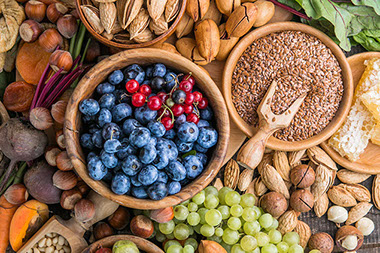
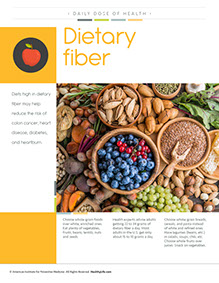
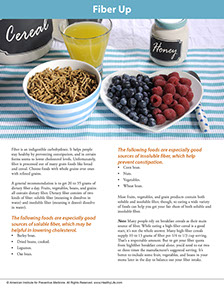
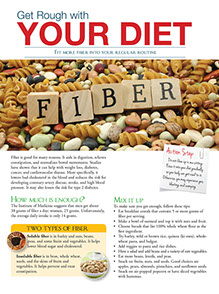
Diets high in dietary fiber may help reduce the risk of colon cancer, heart disease, diabetes, and heartburn.
Choose whole-grain foods over white, enriched ones. Eat plenty of vegetables, fruits, beans, lentils, nuts and seeds.
Health experts advise adults getting 22 to 34 grams of dietary fiber a day. Most adults in the U.S. get only about 15 to 18 grams a day.
Choose whole-grain breads, cereals, and pasta instead of white and refined ones. Have legumes (beans, etc.) in salads, soups, chili, etc. Choose whole fruits over juices. Snack on vegetables.
HEALTHY EATING

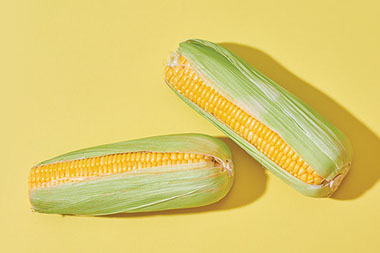
Corn on the cob is a favorite food at summer barbecues and outings. Its popular flavor makes it a treat – but it has plenty of health benefits too.
Basics of corn
Corn isn’t a vegetable. It’s actually a type of grain. Whole grain corn contains vitamins and heathy plant compounds.
Some of corn’s nutrients include:
* Soluble and insoluble fiber, which helps with digestion and preventing constipation
* B vitamins, including vitamin B5, folate, B6, and niacin, which help with energy and many body processes
* Potassium, which is important for heart health
* Antioxidants, including zeaxanthin and lutein, which may be linked to eye health
Making corn the healthy way
Corn is versatile and can be cooked in several different ways. Many people simply remove the husk and boil it until tender. But you can also grill it, bake it and microwave it.
If you can’t find fresh corn on the cob, frozen corn (on the cob or removed) is a healthy option. Look for brands that do not add salt, sugar or other ingredients. Frozen corn is usually microwaved or steamed.
If you use butter or margarine, measure it so you know how much you’re using. Start with 1/2 teaspoon and see if you can cover the entire ear of corn with that small amount. Try a salt-free seasoning blend or black pepper for a flavor kick without sodium.
What about corn chips?
If corn is healthy, then are foods with corn in them a healthy choice? Not necessarily.
Corn is used in many processed foods like chips and crackers. These products won’t have the same health benefits as real corn on the cob.
Many processed foods contain added salt, sugar and unhealthy fats. They may also remove many of corn’s natural nutrients. Some research shows that eating a lot of highly processed foods can lead to obesity and health problems.
Sources: American Heart Association, United States Department of Agriculture
© American Institute for Preventive Medicine