Tag: fiber

  • Eat Whole Fruit

    Nutrition

    Image of fresh fruit.

    Have you ever wondered whether drinking a glass of orange juice is much different, nutritionally, than eating an orange? Or whether a glass of apple juice is better than an apple?

    Fruit juice is a fine alternative to soda or alcoholic beverages. And in some cases, juice is a rich and convenient source of vitamin C. But whole fruit has some advantages over juice. Ounce for ounce, whole fruit:

    *  Is more filling, and therefore satisfying.

    *  Contains fewer calories.

    *  Has more fiber.

    Studies show that fiber (present in fruit, but not in juice) helps regulate metabolism of carbohydrates, so sugar in fruit is absorbed more slowly than the same sugar in fruit juice. And when sugar of any kind moves into the bloodstream more slowly, your body releases less insulin, a hormone that regulates blood sugar levels and keeps them from fluctuating wildly. And you feel better when your blood sugar levels are on an even keel.

    Be aware, too, that many “juice drinks” contain only a small percentage of real juice. The rest is water, sweeteners, coloring, and flavoring. Whole fruit, on the other hand, is 100 percent fruit.

    Page from A Year of Health Hints book by the American Institute for Preventive Medicine. www.HealthyLife.com. All rights reserved.

    © American Institute for Preventive Medicine

  • Digging Into Detox Diets

    HEALTHY EATING

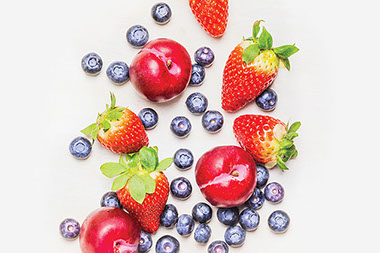
    Image of different berries.

    The word “detox” is a popular term in diets today. Many detox diets and plans promise to help your body flush out toxins and get you healthier.

    Some detox diets follow extreme guidelines like:

    *  Fasting (not eating) for long periods

    *  Drinking only special detox drinks or juices

    *  Using supplements or products that claim to detox your body

    *  Using laxatives, enemas or other products to empty the colon

    Safety concerns

    Many detox plans haven’t been proven to be safe. Supplements and extreme diets can cause health problems. The Food and Drug Administration (FDA) has taken action against detox products that are dangerous or contain illegal ingredients.

    Don’t assume that a “natural” detox plan is safe. It may be risky because:

    *  Drinking large quantities of juice can be dangerous for people with kidney disease.

    *  Drinking juices that are “raw” or unpasteurized can cause serious illnesses from bacteria.

    *  People with diabetes often need to eat a healthy diet and need to eat at regular times. Fasting or drinking juice instead of meals can cause dangerous blood sugar levels.

    *  Using too many laxatives can cause dehydration, severe diarrhea and an imbalance in minerals and vitamins.

    *  Fasting for long periods can cause headaches, dehydration and fainting.

    Your body’s own detox

    The human body is already designed to get rid of toxins. Most of this is done by the liver, which processes and removes chemicals, toxins and other unwanted things.

    Supporting your liver is a healthy and safe way to “detox” without extreme or dangerous diets. You can support your liver by:

    *  Eating a healthy diet rich in fruits, vegetables, lean protein and whole grains

    *  Working toward a healthy weight if you’re overweight

    *  Avoiding or limiting processed foods

    *  Drinking plenty of water

    *  Avoiding or limiting alcoholic drinks

    *  Getting exercise regularly

    *  Following directions on medicines and take medicines as your doctor prescribes

    *  Getting vaccines for hepatitis A and B, which are diseases that affect the liver

    Not all diets are safe. Before you start any detox or diet plan, ask your doctor.

    Sources: American Liver Foundation, National Center for Complementary and Integrative Health

    © American Institute for Preventive Medicine

  • Fiber Up

    Nutrition

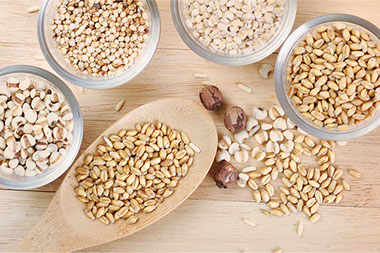
    Fiber is an indigestible carbohydrate. It helps people stay healthy by preventing constipation, and in certain forms seems to lower cholesterol levels. Unfortunately, fiber is processed out of many grain foods like bread and cereal. Choose foods with whole grains over ones with refined grains.

    A general recommendation is to get 20 to 35 grams of dietary fiber a day. Fruits, vegetables, beans, and grains all contain dietary fiber. Dietary fiber consists of two kinds of fiber: soluble fiber (meaning it dissolves in water) and insoluble fiber (meaning it doesn’t dissolve in water).

    The following foods are especially good sources of soluble fiber, which may be helpful in lowering cholesterol.

    *  Barley bran.

    *  Dried beans, cooked.

    *  Legumes.

    *  Oat bran.

    The following foods are especially good sources of insoluble fiber, which help prevent constipation.

    *  Corn bran.

    *  Nuts.

    *  Vegetables.

    *  Wheat bran.

    Most fruits, vegetables, and grain products contain both soluble and insoluble fiber, though, so eating a wide variety of foods can help you get your fair share of both soluble and insoluble fiber.

    Note: Many people rely on breakfast cereals as their main source of fiber. While eating a high-fiber cereal is a good start, it’s not the whole answer. Many high-fiber cereals supply 10 to 13 grams of fiber per 1/4 to 1/3 cup serving. That’s a respectable amount. But to get your fiber quota from high-fiber breakfast cereal alone, you’d need to eat two or three times the manufacturer’s suggested serving. It’s better to include some fruit, vegetables, and beans in your menu later in the day to balance out your fiber intake.

    Page from A Year of Health Hints book by the American Institute for Preventive Medicine. www.HealthyLife.com. All rights reserved.

    © American Institute for Preventive Medicine
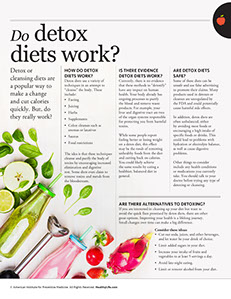
  • Do Detox Diets Work?

    HEALTHY EATING

    Two different detox drinks.

    Detox or cleansing diets are a popular way to make a change and cut calories quickly. But, do they really work?

    How do detox diets work?

    Detox diets use a variety of techniques in an attempt to “cleanse” the body. These include:

    *  Fasting

    *  Juicing

    *  Herbs

    *  Supplements

    *  Colon cleanses such as enemas or laxatives

    *  Saunas

    *  Food restrictions

    The idea is that these techniques cleanse and purify the body of toxins by encouraging increased elimination and digestive rest. Some diets even claim to remove toxins and metals from the bloodstream.

    Is there evidence detox diets work?

    Currently, there is no evidence that these methods to “detoxify” have any impact on human health. Your body already has ongoing processes to purify the blood and remove waste products. For example, your liver and digestive tract are two of the organ systems responsible for protecting you from harmful toxins.

    While some people report feeling better or losing weight on a detox diet, this effect may be the result of removing unhealthy foods from the diet and cutting back on calories. You could likely achieve the same results by eating a healthier, balanced diet in general.

    Are detox diets safe?

    Some of these diets can be unsafe and use false advertising to promote their claims. Many products used in detoxes or cleanses are unregulated by the FDA and could potentially cause harmful side effects.

    In addition, detox diets are often unbalanced, either by avoiding most foods or encouraging a high intake of specific foods or drinks. This could lead to problems with hydration or electrolyte balance, as well as cause digestive problems.

    Other things to consider include any health conditions or medications you currently take. You should talk to your doctor before trying any type of detoxing or cleansing.

    Are there alternatives to detoxing?

    If you are interested in cleaning up your diet but want to avoid the quick fixes promised by detox diets, there are other great options. Improving your health is a lifelong journey. Small changes over time can make a big difference.

    Consider these ideas:

    *  Cut out soda, juices, and other beverages, and let water be your drink of choice.

    *  Limit added sugars in your diet.

    *  Increase your intake of fruits and vegetables to at least 5 servings a day.

    *  Avoid late-night eating.

    *  Limit or remove alcohol from your diet.

    © American Institute for Preventive Medicine

  • Get Rough With Your Diet

    Nutrition

    Image of fresh produce in the fridge.

    Fit more fiber into your regular routine.

    Fiber is good for many reasons. It aids in digestion, relieves constipation, and normalizes bowel movements. Studies have shown that it can help with weight loss, diabetes, cancer, and cardiovascular disease. More specifically, it lowers bad cholesterol in the blood and reduces the risk for developing coronary artery disease, stroke, and high blood pressure. It may also lessen the risk for type 2 diabetes.

    How much is enough

    The Institute of Medicine suggests that men get about 38 grams of fiber a day; women, 25 grams. Unfortunately, the average daily intake is only 14 grams.

    Mix it up

    To make sure you get enough, follow these tips:

    *  Eat breakfast cereals that contain 5 or more grams of fiber per serving.

    *  Make a bowl of oatmeal and top it with nuts and fruit.

    *  Choose breads that list 100% whole wheat flour as the first ingredient.

    *  Try barley, wild or brown rice, quinoa (ki-nwa), whole-wheat pasta, and bulgur.

    *  Add veggies to pasta and rice dishes.

    *  Have a salad and add beans and a variety of raw vegetables.

    *  Eat more beans, lentils, and peas.

    *  Snack on fruits, nuts, and seeds. Good choices are apples, pears, almonds, pistachios, and sunflower seeds.

    *  Snack on air-popped popcorn or have sliced vegetables with hummus.

    Two types of fiber

    Soluble fiber is in barley and oats, beans, peas, and some fruits and vegetables. It helps lower blood sugar and cholesterol.

    Insoluble fiber is in bran, whole wheat, seeds, and the skins of fruits and vegetables. It helps prevent and treat constipation.

    Action Step

    Do not fiber up in one sitting. Ease it into your diet gradually so your body can get used to it. Otherwise, you may experience gas, bloating, and cramping.

    Page from Ways to Well-Being book by the American Institute for Preventive Medicine. www.HealthyLife.com. All rights reserved.

    © American Institute for Preventive Medicine

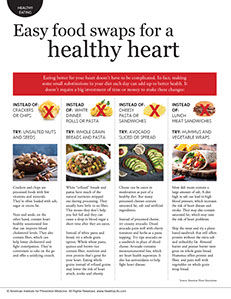
  • Easy Food Swaps For A Healthy Heart

    HEALTHY EATING

    Image of a healthy vegetable wrap.

    Eating better for your heart doesn’t have to be complicated. In fact, making some small substitutions in your diet each day can add up to better health. It doesn’t require a big investment of time or money to make these changes:

    Instead of: Crackers or chips

    Try: Unsalted nuts and seeds

    Crackers and chips are processed foods with few vitamins and minerals. They’re often loaded with salt, sugar or excess fat.

    Nuts and seeds, on the other hand, contain heart healthy unsaturated fats that can improve blood cholesterol levels. They also contain fiber, which can help lower cholesterol and fight constipation. They’re convenient to take on the go and offer a satisfying crunch.

    Instead of:  White dinner rolls or pasta

    Try: Whole grain breads and pasta

    White “refined” breads and pastas have much of the natural nutrients stripped out during processing. They usually have little to no fiber. This means they don’t help you feel full and they can cause a drop in blood sugar a short time after they are eaten.

    Instead of white pasta and bread, try a whole grain option. Whole wheat pasta, quinoa and brown rice contain fiber, nutrients and even protein that’s great for your heart. Eating whole grains instead of refined grains may lower the risk of heart attack, stroke and obesity.

    Instead of: Cheesy pasta or sandwiches

    Try: Avocado sliced or spread

    Cheese can be eaten in moderation as part of a healthy diet. But many processed cheeses contain saturated fat, salt and artificial ingredients.

    Instead of processed cheese, try creamy avocado. Diced avocado pairs well with cherry tomatoes and herbs as a pasta topping. Try ripe avocado on a sandwich in place of sliced cheese. Avocado contains monounsaturated fats, which are heart health superstars. It also has antioxidants to help fight heart disease.

    Instead of:  Lunch meat sandwiches

    Try: Hummus and vegetable wraps

    Most deli meats contain a large amount of salt. A diet high in salt can lead to high blood pressure, which increases the risk of heart disease and stroke. They may also contain saturated fat, which may raise the risk of heart problems.

    Skip the meat and try a plant-based sandwich that still offers protein without the extra salt and unhealthy fat. Almond butter and peanut butter taste great on whole grain bread. Hummus offers protein and fiber, and pairs well with vegetables on whole grain wrap bread.

    Source: American Heart Association

    © American Institute for Preventive Medicine
  • Healthy Eating 4

    Nutrition

    Family sitting around table eating.

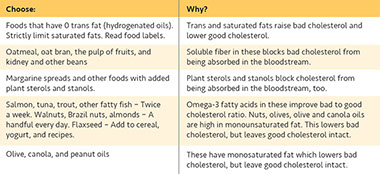
    Choose foods that help lower LDL (bad) cholesterol and raise HDL (good) cholesterol. Medicines have a big impact on improving blood cholesterol (lipid) levels.  Follow your doctor’s advice for taking medications.

    Action Step:Take a walk at least 30 minutes a day, five days a week. Lose weight. Weight loss and moderate physical activity raise HDL (good) cholesterol.

    Page from HealthyLife Weigh book by the American Institute for Preventive Medicine. www.HealthyLife.com. All rights reserved.

    © American Institute for Preventive Medicine

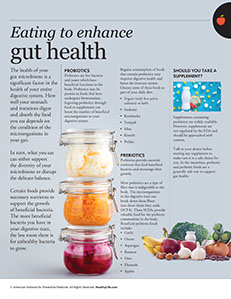
  • Eating To Enhance Gut Health

    HEALTHY EATING

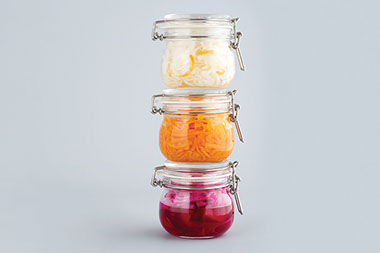
    Three stacked jars with picked carrots, beets and onion.

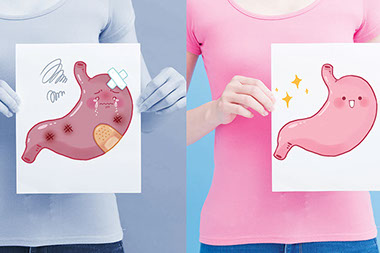
    The health of your gut microbiome is a significant factor in the health of your entire digestive system. How well your stomach and intestines digest and absorb the food you eat depends on the condition of the microorganisms in your gut.

    In turn, what you eat can either support the diversity of your microbiome or disrupt the delicate balance.

    Certain foods provide necessary nutrients to support the growth of beneficial bacteria. The more beneficial bacteria you have in your digestive tract, the less room there is for unhealthy bacteria to grow.

    Probiotics

    Probiotics are live bacteria and yeasts which have beneficial functions in the body. Probiotics may be present in foods that have undergone fermentation. Ingesting probiotics through food or supplements can boost the number of beneficial microorganisms in your digestive system.

    Regular consumption of foods that contain probiotics may improve digestive health and boost the immune system. Choose some of these foods as part of your daily diet:

    *  Yogurt (with live active cultures) or kefir

    *  Saukraut

    *  Kombucha

    *  Tempah

    *  Miso

    *  Kimchi

    *  Pickles

    Prebiotics

    Prebiotics provide essential nutrients that feed beneficial bacteria and encourage their growth.

    Most prebiotics are a type of fiber that is indigestible to the body. The microorganisms in the digestive tract can break down these fibers into short-chain fatty acids (SCFA). These SCFAs provide valuable food for the probiotic communities in the body. Beneficial prebiotic foods include:

    *  Garlic

    *  Onion

    *  Asparagus

    *  Bananas

    *  Oats

    *  Flaxseeds

    *  Apples

    Should you take a supplement?

    Supplements containing probiotics are widely available. However, supplements are not regulated by the FDA and should be approached with caution.

    Talk to your doctor before starting any supplement to make sure it is a safe choice for you. In the meantime, probiotic and prebiotic foods are a generally safe way to support gut health.

    © American Institute for Preventive Medicine
  • Get More Of These 4

    HEALTHY EATING

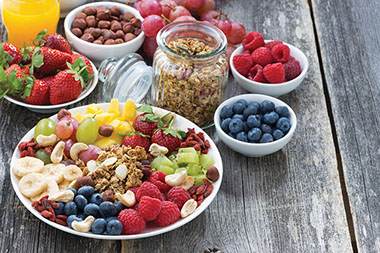
    Dishes filled with berries, nuts and fruits.

    The 2015-2020 Dietary Guidelines for Americans state that four nutrients are a “public health concern.” Many people are not getting enough:

    *  Calcium

    *  Fiber

    *  Potassium

    *  Vitamin D

    Try these tips to get more:

    1.  Eat more vegetables, fruits and legumes. These foods are rich sources of fiber and potassium. High-fiber bran cereal and shredded wheat also pack a fiber punch.

    2.  Eat more yogurt and drink milk. Both are good sources of calcium, potassium and vitamin D. Avoid sweetened yogurt. Instead, buy plain yogurt and add fresh fruit.

    3.  Eat seafood that’s high in vitamin D. This includes salmon, trout, whitefish, herring and tuna. Pregnant and nursing women should ask a doctor how much seafood they can eat.

    4.  Consider healthy foods that have vitamin D added, like soy milk, orange juice, dairy products and cereals.

    © American Institute for Preventive Medicine
  • Give Swiss Chard A Try

    HEALTHY EATING

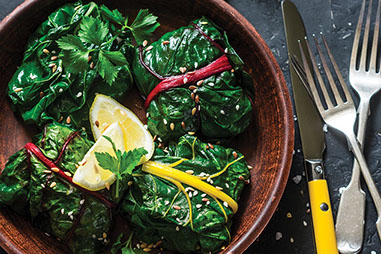
    Swiss chard wraps.

    When it comes to leafy greens, spinach and kale get most of the attention. But leafy greens are so nutritious. Why limit yourself to just two types?

    Swiss chard has less bitterness than kale, and offers plenty of important nutrients. Plus, this time of year, swiss chard is plentiful at farmers’ markets or the local grocery store. It can be used like any greens:

    *  Raw in a salad

    *  Sautéed or steamed

    *  Added to pasta  and soups

    Here’s more about swiss chard’s nutritional benefits:

    *  Rich in magnesium, potassium, vitamin A, vitamin C, several B vitamins and iron.

    *  One cup (chopped) contains more than 700 percent of your recommended daily intake of vitamin K, which is needed for bone health and blood clotting.

    *  Each cup contains only 35 calories and nearly 4 grams of fiber. Talk about a low-calorie and nutritious punch!

    Source: USDA Nutrient Database

    © American Institute for Preventive Medicine