Tag: Financial Wellness

  • Smartphone Break Aids Well-Being

    WELL-BEING

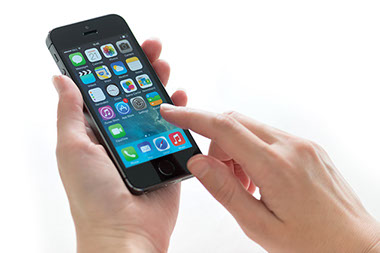
    Image of a smart phone.

    Want to be more productive and happier during the workday? Try taking a short break to text a friend, play Angry Birds, or check Facebook on your smartphone, according to Kansas State University research.

    Allowing employees to take smartphone microbreaks may be a benefit-rather than a disruption-for businesses. Microbreaks are nonworking-related behaviors during working hours.

    “A smartphone microbreak can be beneficial for both the employee and the organization,” said the lead researcher. “For example, if I would play a game for an hour during my working hours, it would definitely hurt my work performance. But if I take short breaks of one or two minutes throughout the day, it could provide me with refreshment to do my job.”

    Taking a break throughout the workday is important because it is difficult, and nearly impossible, for an employee to concentrate for 8 straight hours a day without a break, was the thinking. So the smartphone microbreaks were thought to be similar to other microbreaks throughout the workday: chatting with coworkers, walking around the hallway, or getting a cup of coffee. Such breaks are important because they can help employees cope with the demands of the workplace.

    © American Institute for Preventive Medicine

  • Work The Crowd

    WORK LIFE

    Image of business man smiling.

    Social gatherings, office parties, community events-they all give you an opportunity to enhance your professional image.

    But if you’re nervous about what to talk about in a crowd of strangers, Toastmasters International offers this advice to turn small talk into smart talk:

    *  Plan your topics. Think of 2 to 3 topics you can discuss with anyone.

    *  Keep it lighthearted. Avoid office gossip and controversial topics. Stay clear of topics related to sex, religion, and politics.

    *  Meet someone new. Take the first step to introduce yourself to the CEO. Or talk to someone new while waiting in the   food line.

    *  Spark a conversation. Ask open-ended questions about the person you’re getting to know.

    *  Listen attentively. Ask follow-up questions about the person or group you’re talking with. Listen more than you talk.

    *  Introduce others. Be sure to introduce a newcomer to those you’re talking with.

    *  Consider cultural differences. Take into account figures of speech, how you present humor, and personal space.

    *  Limit alcohol. Know your drink limit. If necessary, avoid alcohol altogether to keep your composure.

    © American Institute for Preventive Medicine

  • 4 Behaviors For A Healthy Wallet

    FINANCIAL HEALTH

    Concept image of growing leaf with stacked coins.

    1. Make a budget and stick to it.

    Many money experts will tell you that you need to know where your money is going each month. Creating a budget helps to see how much you spend on certain things and where you can cut back to save even more.

    2. Check your credit report each year.

    You are entitled to a free credit report once per year. This is an important step to help spot identity theft early. Your credit report can affect your mortgage rate and ability to get a loan.

    3. Shop around for a good APR on your next loan.

    The annual percentage rate (APR) on a loan is an important number. This is the total cost, including fees and interest, described as a yearly rate. The APR can vary widely between banks or lenders. It pays to take some extra time to find the best rate. Make sure you understand exactly what you will pay.

    4. Put money away for an emergency fund.

    Having an emergency fund offers peace of mind and protection from unexpected costs. Even a few dollars a week can add up, so save what you can.

    Paycheck checkup

    The Internal Revenue Service (IRS) says employees should look at their paycheck withholdings each year. Withholdings are taxes that are taken out of your paycheck.

    It’s especially important to check your withholdings in 2018, the IRS says. The Tax Cuts and Jobs Act, signed in December 2017, may change how much you want withheld.

    The IRS has a withholding calculator on their website at:apps.irs.gov/app/withholdingcalculator. This calculator can help you be sure that you aren’t having too much or too little tax withheld from your paychecks.

    © American Institute for Preventive Medicine

  • Find Unclaimed Money

    WELL-BEING

    Image of the word 'Scam' spread across money.

    Uncle Sam may actually owe you money. How? If the government owes you money, and you do not collect it, it becomes unclaimed money. This can happen because of bank or credit union closures, investment funds, pensions, tax refunds, or savings bonds, among others.

    But before you assume that there has to be unclaimed money out there for you, beware, says USA.gov, a government information website.

    There are people out there who will contact you, claim to be the government, saying they will send you unclaimed money for a fee. This is a scam. Legitimate government agencies will not contact you about unclaimed money or assets.

    Right now, there is no single government site for finding unclaimed money by name, social security number, or state. You need to visit each site separately and perform a search.

    After searching, if you are owed funds, there will be instructions and steps to follow to collect your money.

    For more information on unclaimed money, or other government resources, visitUSA.gov.

    © American Institute for Preventive Medicine

  • Managing Financial Stress

    FINANCIAL HEALTH

    Image of hands holding money.

    Do finances keep you awake at night? If so, you’re not alone. More than 75 percent of Americans say money is a big source of stress, according to the American Psychological Association (APA).

    Although we can’t always change our financial problems right away, we can learn to cope with this type of stress. This can help you stay healthier and learn to deal with challenges in a positive way.

    If you’re stressed about money, try these tips:

    *Remain calm and make a plan.It can be easy to get caught up in the panic of the moment when a problem arises. A sudden expense needed for an emergency or stories about a “bad economy” in the news can make things feel hopeless. Instead, think about small steps you can take now to improve your budget. This may be writing down a few specific ways you can cut back on expenses. Or, look at your past spending and make a plan to cut back on things you can do without for now.

    *Look at the positive side of being thrifty.Eating meals at home instead of at a restaurant can be a fun family bonding time. Have everyone help prepare the meal or pick out their favorite dish for the weekly menu. Can’t afford a fitness membership? Exercise with a family member or friend at home and make it fun.

    *Be proud of progress.If you saved $5 by making your coffee at home rather than buying it at a coffee shop, that’s a step in the right direction. Think about the little ways you can save money and how they add up over time. These small successes can get you to your goal.

    *If you can’t pay your bills, ask for help.Banks, utilities and credit card companies will often give you extra time to pay if you’re in a financial crisis. It doesn’t hurt to call and ask.

    *Identify unhealthy behaviors.If you deal with stress by drinking alcohol, smoking or gambling, this will often make matters worse. Not only do these habits cost more money, but they can cost you your health, job and relationships. Healthy ways to cope with stress include exercise, deep breathing, eating a balanced diet, listening to music or calling a friend. If you need help with unhealthy behaviors, ask your doctor or look into community support groups.

    Source: American Psychological Association

    © American Institute for Preventive Medicine
  • Stay Safe When Holiday Shopping

    FINANCIAL HEALTH

    Image of female on laptop with credit card in hand.

    The holidays are often a time for celebrations, get-togethers, and lots of shopping for gifts. Unfortunately, theft can happen any time of year, including during the holiday season. To keep yourself and loved ones safe when holiday shopping, consider these tips from the National Crime Prevention Council (NCPC):

    At malls and stores:

    *  To keep your money safe, carry your purse close to your body. Wallets are better kept in a front pocket, where they are harder to pickpocket.

    *  Have your keys ready when walking to your vehicle. Glance at the back seat and be aware of your surroundings before getting in.

    *  Don’t leave packages or valuables in your car where they can be seen. Take them home immediately, if possible, or keep them in the trunk.

    *  When shopping with children, teach them to go to a meeting place in case you get separated. Talk to them about finding store security guards or employees to help, if needed.

    When online shopping:

    *  Be sure you update anti-virus and anti-spyware software on your computer. Visitwww.bytecrime.org.

    *  Never give out your password or credit card information in response to emails. Valid companies will never ask for this type of information.

    *  Make sure the website is secure: look for a locked padlock at the bottom of the screen or “https” in the address at the top.

    *  Use secure payment methods, such as PayPal or Apple Pay, whenever possible. If using a credit card, check your transactions regularly and alert your bank if you notice anything suspicious.

    *  Check reviews of online stores to ensure the company is credible.

    Warm-up thefts are in season

    During the winter months, many people start their cars and let them warm up while they wait inside. This can be a prime opportunity for someone to steal your vehicle or items inside it, according to the NCPC. Here’s how to avoid these situations:

    *  Never leave your car running or keys in the ignition if you’re not in it, even for a minute.

    *  Always keep your car locked, and use anti-theft or alarm devices if you have them.

    *  Keep valuables out of sight (and preferably out of your car), such as phones, purses and electronics.

    © American Institute for Preventive Medicine

  • 3 “S”S For Being Active At Work

    FAMILY LIFE

    Two coworkers holding a set of dumb bells in hands.

    Many people have jobs that require sitting at a desk or being inactive for long periods of time. This can make it hard to reap the benefits of exercise, like having more energy and weight loss. But you can fit in fitness at work with just a few tricks.

    1.  Shoes. If you wear a dress or work shoes, bring your sneakers to work. Keep them under your desk and slip them on during your lunch break so you can take a brisk walk in comfort.

    2.  Stairs & standing. Whenever possible, take the stairs instead of the elevator. A few extra calories burned is better than none. Try to stand or walk when you don’t need to be sitting. This could be during a phone conversation, or going down the hall to speak to someone instead of calling or emailing them.

    3.  Schedule. Put time in your schedule to exercise. It’s one of the most important things you can do for YOU! If you don’t have enough time at lunch, find a way to exercise either before or after work. Write it down in your work calendar as a reminder that it’s an important commitment.

    © American Institute for Preventive Medicine

  • 5 Ways To Make It A Healthy Work Day

    WORK LIFE

    Image of a healthy lunch.

    Are you looking for ways to be your best at your job? No matter what kind of work you do, you can improve your overall health and productivity with some simple, everyday habits.

    Get enough sleep.

    The National Heart, Lung, and Blood Institute says getting the right amount of rest helps you both physically and mentally. It boosts your energy and improves your immune system. It may also lower your risk of heart disease, diabetes and stroke. It helps you think, learn, react and deal with stress and anxiety. Aim for seven to nine hours of sleep each night.

    Stay hydrated.

    Drinking enough water is important for any job – whether you sit or stand at a desk, or you’re lifting and moving throughout your day. When you are even slightly dehydrated, you can feel sluggish and you may struggle with problem-solving. If possible, take sips from a water bottle as you go through your day. The color of your urine can tell you if you’re staying hydrated. It should be colorless or light yellow, according to The American Academy of Family Physicians.

    Pack healthy snacks & lunches.

    Eating fresh fruits, vegetables, whole grains and lean protein can give you energy as you move through your day. Don’t choose unhealthy processed foods or fast food. Pack a healthy lunch the night before work, so you can just grab it and go in the morning.

    Wash your hands often.

    Areas in your workplace can be hot spots for germs that can make you sick. Wash your hands with soap and water after using the restroom, before eating, and after touching shared surfaces, such as door handles and computer keyboards. If someone around you is ill, avoid contact with them and be extra diligent about washing your hands.

    Get up & move.

    Avoid sitting at a desk all day without getting some physical activity. Get up and stretch when possible such as during a long conference call. If you get a lunch break, consider taking a 10-minute walk. This can energize you and help you cope with a stressful day.

    © American Institute for Preventive Medicine

  • For The Health Of Your Wealth

    FINANCIAL HEALTH

    Image of female talking to an advisor.

    Do you want to take control of your financial life? It’s up to you to understand your own money, says investment advisor Paul Taylor, a member of the National Ethics Bureau. Taylor offers the following suggestions:

    For your cash flow, keep in mind the four A’s: Accounting, Analysis, Allocation, and Adjustment. The four A’s describe a systematic and disciplined approach to your daily, weekly, monthly, and yearly spending habits.

    *  Accounting involves gathering all your relevant financial information-income, recurring bills, and other expenditures-creating a central list of each item, and pulling it together in a place where it’s easy to find.

    *  Analysis is reviewing the information to determine whether you have a shortfall or surplus, and finding places to reduce expenses. Saving $100 a month on dining out, for instance, would allow you to apply $100 to your mortgage loan principal, saving you a substantial amount in interest payments.

    *  Allocation involves determining your financial commitments and priorities, needs versus wants, and distributing your income accordingly.

    *  Adjustment involves periodic reviews of your financial information and shifting assets to meet changing needs.

    © American Institute for Preventive Medicine

  • Overwhelmed At Work? How To Handle It

    WORK LIFE

    Image of stressed women at work.

    No matter what your job, you’re bound to feel overwhelmed sometimes. Whether you have new responsibilities, are worried about a certain project, or just have too much on your plate, it’s normal to feel the pressure occasionally. Though you may not be able to change what’s causing these feelings, you can find ways to deal with these situations in a healthy way.

    Jot it down.

    If your mind is swimming with a list of to-dos, put it on paper. Sometimes seeing the list can help you come up with a plan to get it done. You can figure out what needs to be done first, and then you have a starting point.

    Take a break from work when you’re off-duty.

    If your life revolves around the buzzing of your phone with emails and work demands, try to take some time each day to turn it off. You may find you feel more relaxed and ready to focus when you return to work.

    Start with just one step.

    If a huge project feels too difficult to start, then just think about the first thing you need to do. It can be something minor, such as sending an email or writing down a task list. Every big project begins with one step. Consider what needs to be done right now, and do that first. Once you get started, it may be easier to keep going.

    Talk to your supervisor.

    If possible, bring up your main concerns to your boss. Be specific about your problem, and focus on what you can do to help solve it. For instance, if you have too many tasks, tell them what you are able to do in the time you have, and suggest alternate ways to get the rest done. Perhaps you can ask for more time to get a project done. Or, see if you can delegate the task to a co-worker.

    An organized desk gives you control

    If you’re feeling buried at work, look in front of you. A messy desk can create more stress and anxiety. Clean up your space by:

    *  Going through papers as you get them, rather than letting them pile up

    *  Creating a “pending” or “in progress” folder for things you need to do

    *  Clean up your space before you leave each day

    *  Put things back as soon as you’re done using them

    A tidy desk can brighten your outlook and boost your productivity.

    Source: American Psychological Association

    © American Institute for Preventive Medicine