Tag: focus

  • How To Make Fewer Mistakes At Work

    WORK LIFE

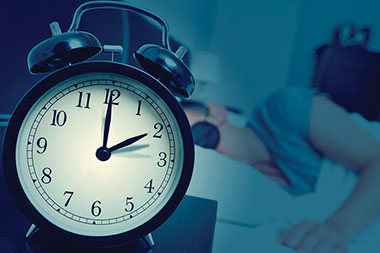
    Image of clock with person sleeping.

    Do you want to be your best at your job and avoid mistakes? There’s a healthy and simple way to do this: GET ENOUGH SLEEP.

    The National Sleep Foundation (NSF) says almost half of Americans said poor quality sleep affected their lives in the past seven days. And, many people report getting poor sleep on a regular basis.

    This poor sleep adds up to poor job performance, says the NSF. In one poll, up to a third of people admitted to falling asleep or feeling very sleepy at work in the last month. This can lead to minor errors, such as a typo in a letter to major mistakes that affect your career.

    When your body isn’t rested, it affects your brain and thinking in ways that could hurt your job performance and even hurt others. One study showed that when on-call resident doctors work overnight, they report 300 percent more medical errors that led to death than those who worked a 16-hour shift.

    Experts at the NSF say you should get at least seven to eight hours of sleep a night. Try to go to bed and get up at the same time each day, and create a relaxing bedroom environment for sleep. If you have chronic sleep problems, see your doctor for help.

    © American Institute for Preventive Medicine

  • Is Multitasking Really Helpful?

    WORK LIFE

    Concept image of man running with laptop.

    It seems that today’s world is built for multitasking. With smartphones and tablets, you can check your email, surf the web, and chat from nearly anywhere. And at work, you may be typing while on a conference call or checking messages during a meeting.

    But the American Psychological Association (APA) says this culture of multitasking could actually be harmful, not helpful. The brain is only capable of doing one thing at a time, and therefore, multitasking in itself is not truly possible. Your brain actually switches back and forth between tasks when you think you’re multitasking, says the APA. This process of switching costs you time, and can make you less efficient.

    In addition, Harvard Medical School says multitasking leads to errors and mistakes at work. Maybe you’re shifting back and forth between activities or thinking about something else (like the dinging of your smartphone) while you’re supposed to be doing a task. As a result, you may be more likely to miss details or forget to do things.

    So how do you break the multitasking habit? Find your main sources of distraction and put them aside. If your smartphone is the problem, try putting it in the next room or out of sight while you work on a task. At the very least, silence alerts you don’t need right away such as emails and text messages.

    If the beeping of your email at work is keeping you from focusing on your task at hand, consider closing your email program and only checking it at designated times.

    Cutting out the main sources of distraction can help you stay focused and productive at work or at home.

    © American Institute for Preventive Medicine