Tag: food

  • Bone Up On Calcium & Vitamin D

    Nutrition

    Build and maintain healthy bones and teeth.

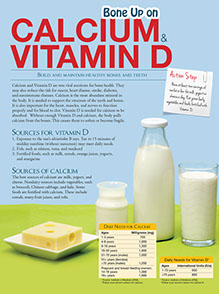
    Calcium and Vitamin D are two vital nutrients for bone health. They may also reduce the risk for cancer, heart disease, stroke, diabetes, and autoimmune diseases. Calcium is the most abundant mineral in the body. It is needed to support the structure of the teeth and bones. It is also important for the heart, muscles, and nerves to function properly and for blood to clot. Vitamin D is needed for calcium to be absorbed. Without enough Vitamin D and calcium, the body pulls calcium from the bones. This causes them to soften or become fragile.

    Sources for vitamin D:

    1.  Exposure to the sun’s ultraviolet B rays. Ten to 15 minutes of midday sunshine (without sunscreen) may meet daily needs.

    2.  Fish, such as salmon, tuna, and mackerel

    3.  Fortified foods, such as milk, cereals, orange juices, yogurts, and margarine

    Sources of calcium:

    The best sources of calcium are milk, yogurt, and cheese. Non dairy sources include vegetables, such as broccoli, Chinese cabbage, and kale. Some foods are fortified with calcium. These include cereals, many fruit juices, and tofu.

    Daily Needs for Calcium*

    Ages

    1-3 years

    4-8 years

    9-18 years

    19-50 years

    51-70 years (males)

    51+ years (females)

    >70 years (males)

    Pregnant and breast-feeding women:

    14-18 years

    19+ years

    Milligrams (mg)

    700

    1,000

    1,300

    1,000

    1,000

    1,200

    1,300

    1,000

    * Source: Institute of Medicine (IOM).

    * Follow your doctor’s advice for calcium.

    Daily Needs for Vitamin D*

    Ages

    1-70 years

    >70 years

    International Units (IUs)

    600

    800

    * Source: Institute of Medicine (IOM). The National Osteoporosis Foundation advises 400-800 IUs for adults under age 50 years; 800-1,000 IUs for adults age 50 years and older.

    * Follow your doctor’s advice for vitamin D.

    Action Step

    Have at least two servings of nonfat or low-fat milk, yogurt or cheese a day. Eat green leafy vegetables and foods fortified with Vitamin D.
    Page from Ways to Well-Being book by the American Institute for Preventive Medicine. www.HealthyLife.com. All rights reserved.

    © American Institute for Preventive Medicine

  • Eat, Drink, And Be Wary

    Healthy Travel

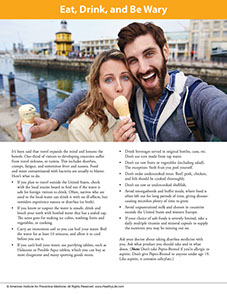
    Image of couple eating at a resturant.

    It’s been said that travel expands the mind and loosens the bowels. One-third of visitors to developing countries suffer from travel sickness, or turista. This includes diarrhea, cramps, fatigue, and sometimes fever and nausea. Food and water contaminated with bacteria are usually to blame. Here’s what to do.

    *  If you plan to travel outside the United States, check with the local tourist board to find out if the water is safe for foreign visitors to drink.  Often, natives who are used to the local water can drink it with no ill effects, but outsiders experience nausea or diarrhea (or both).

    *  If you know or suspect the water is unsafe, drink and brush your teeth with bottled water that has a sealed cap. The same goes for making ice cubes, washing fruits and vegetables, or cooking.

    *  Carry an immersion coil so you can boil your water. Boil the water for at least 10 minutes, and allow it to cool before you use it.

    *  If you can’t boil your water, use purifying tablets, such as Halazone or Potable Aqua tablets, which you can buy at most drugstores and many sporting goods stores.

    *  Drink beverages served in original bottles, cans, etc. Don’t use ice made from tap water.

    *  Don’t eat raw fruits or vegetables (including salad). The exception: fresh fruit you peel yourself.

    *  Don’t order undercooked meat. Beef, pork, chicken, and fish should be cooked thoroughly.

    *  Don’t eat raw or undercooked shellfish.

    *  Avoid smorgasbords and buffet meals, where food is often left out for long periods of time, giving disease-causing microbes plenty of time to grow.

    *  Avoid unpasteurized milk and cheeses in countries outside the United States and western Europe.

    *  If your choice of safe foods is severely limited, take a daily multiple vitamin and mineral capsule to supply the nutrients you may be missing out on.

    Ask your doctor about taking diarrhea medicine with you. Ask what  product you should take and in what doses. (Note: Don’t take Pepto-Bismol if you’re allergic to aspirin. Don’t give Pepto-Bismol to anyone under age 19. Like aspirin, it contains salicylate.)

    Page image from A Year of Health Hints book by the American Institute for Preventive Medicine. www.HealthyLife.com. All rights reserved.

    © American Institute for Preventive Medicine
  • Pick & Pack A Healthy Lunch

    Nutrition

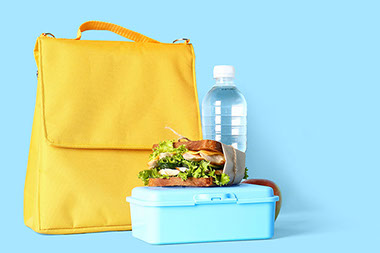
    Sandwich and water bottle sitting next to lunch bag.

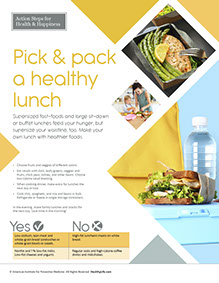
    Supersized fast-foods and large sit-down or buffet lunches feed your hunger, but supersize your waistline, too. Make your own lunch with healthier foods.

    *  Choose fruits and veggies of different colors.

    *  Eat salads with dark, leafy greens; veggies and fruits; chick peas, kidney, and other beans. Choose low-calorie salad dressing.

    *  When cooking dinner, make extra for lunches the next day or two.

    *  Cook chili, spaghetti, and rice and beans in bulk. Refrigerate or freeze in single storage containers.

    In the evening, make family lunches and snacks for the next day. Save time in the morning!

    Yes:

    *  Low-sodium, lean meat and  whole-grain bread sandwiches or whole-grain bowls or salads.

    *  Nonfat and 1% low-fat milks. Low-fat cheeses and yogurts.

    No:

    *  High-fat luncheon meats on white bread.

    *  Regular soda and high-calorie coffee drinks and milkshakes.

    Page from HealthyLife Weigh book by the American Institute for Preventive Medicine. www.HealthyLife.com. All rights reserved.

    © American Institute for Preventive Medicine
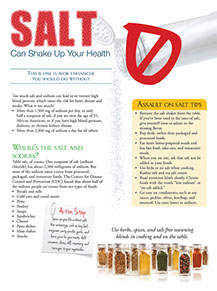
  • Salt Can Shake Up Your Health

    Nutrition

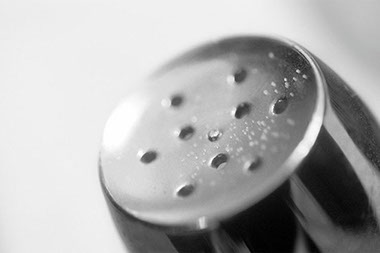
    Close up image of the top of a salt shaker.

    This is one flavor enhancer you should do without.

    Too much salt and sodium can lead to or worsen high blood pressure which raises the risk for heart disease and stroke. What is too much?

    *  More than 1,500 mg of sodium per day, or only half a teaspoon of salt, if you are over the age of 51, African American, or if you have high blood pressure, diabetes, or chronic kidney disease

    *  More than 2,300 mg of sodium a day for all others

    Where’s the salt and sodium?

    Table salt, of course. One teaspoon of salt (sodium chloride) has about 2,300 milligrams of sodium. But most of the sodium eaten comes from processed, packaged, and restaurant foods. The Centers for Disease Control and Prevention (CDC) found that about half of the sodium people eat comes from ten types of foods:

    *  Breads and rolls

    *  Cold cuts and cured meats

    *  Pizza

    *  Poultry

    *  Soups

    *  Sandwiches

    *  Cheese

    *  Pasta dishes

    *  Meat dishes

    *  Snacks

    Shake Salt Out of Your Diet

    Before refrigeration, salt served as a valuable way to preserve food. Unfortunately, in some people, high-sodium diets are linked to high blood pressure and an accumulation of fluid, called edema. (Salt is 40 percent sodium and 60 percent chlorine. Together they form sodium chloride.)

    The taste for salt is acquired, not inborn. So it’s possible to wean yourself off salt with no ill effects. We’ve already suggested you make salt-free soups. Here are some other ideas.

    *  Put away your salt shaker, and forget about using it while cooking or at the table.

    *  Use less seasoned salt, soy sauce, barbecue sauce, and other salty condiments.

    *  Buy only unsalted varieties of snack foods.

    *  Avoid foods prepared with salt brine like pickles, olives, or sauerkraut.

    *  Limit foods like smoked fish, kippered herring, anchovies, sardines, and caviar.

    *  Prepare meals from fresh ingredients instead of relying heavily on commercial products that contain salt or other sodium compounds.

    *  When dining out, ask that foods be made to order, with no salt.

    Assault on salt tips:

    *  Remove the salt shaker from the table. If you’ve been used to the taste of salt, give yourself time to adjust to the missing flavor.

    *  Buy fresh, rather than packaged and processed foods.

    *  Eat more home-prepared meals and less fast food, take-out, and restaurant meals.

    *  When you eat out, ask that salt not be added to your foods.

    *  Use little or no salt when cooking. Kosher salt and sea salt count.

    *  Read nutrition labels closely. Choose foods with the words “low sodium” or “no salt added.”

    *  Go easy on condiments, such as soy sauce, pickles, olives, ketchup, and mustard. Use ones lower in sodium.

    Action Step

    Spice up your life without salt. Use seasonings, such as bay leaf, marjoram, curry powder, garlic, and lemon juice for your meats. Add cinnamon, cloves, dill, rosemary, and tarragon to your vegetables.

    Page from Ways to Well-Being book by the American Institute for Preventive Medicine. www.HealthyLife.com. All rights reserved.

    © American Institute for Preventive Medicine
  • Handle Food With Care

    Home Safety

    Healthy eating starts with preparation.

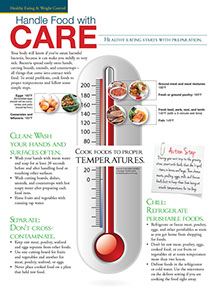
    Your body will know if you’ve eaten harmful bacteria, because it can make you mildly to very sick. Bacteria spread easily onto hands, cutting boards, utensils, and countertops – all things that come into contact with food. To avoid problems, cook foods to  proper temperatures and follow some simple steps.

    Clean: Wash your hands and surfaces often.

    *  Wash your hands with warm water and soap for at least 20 seconds before and after handling food or touching other surfaces.

    *  Wash cutting boards, dishes, utensils, and countertops with hot soapy water after preparing each food item.

    *  Rinse fruits and vegetables with running tap water.

    Separate: Don’t cross-contaminate.

    *  Keep raw meat, poultry, seafood and eggs separate from other foods.

    *  Use one cutting board for fruits and vegetables and another for meat, poultry, seafood, or eggs.

    *  Never place cooked food on a plate that held raw food.

    Chill: Refrigerate perishable foods.

    *  Refrigerate or freeze meat, poultry, eggs, and other perishables as soon as you get home from shopping for foods.

    *  Don’t let raw meat, poultry, eggs, cooked food, or cut fruits or vegetables sit at room temperature more than two hours.

    *  Defrost foods in the refrigerator or cold water. Use the microwave on the defrost setting if you are cooking the food right away.

    Cook foods to proper temperatures.

    Eggs: 160ºF (Scrambled eggs should not be runny; whites and yolks should be firm.)

    Casseroles and leftovers: 165ºF

    Ground meat and meat mixtures: 160ºF

    Fresh or ground poultry: 165ºF

    Fresh beef, pork, veal, and lamb: 145ºF (with a 3-minute rest time)

    Fish: 145ºF

    Action Step

    During your next trip to the grocery store, start with foods that don’t spoil − items in boxes and bags. Then choose meats, poultry, eggs, milk, and frozen foods last to keep them from being at unsafe temperatures for too long.

    Ways to Well-Being book by the American Institute for Preventive Medicine. www.HealthyLife.com. All rights reserved.

    © American Institute for Preventive Medicine
  • When In Doubt, Throw It Out

    Home Safety

    Take steps to avoid foodborne illnesses.

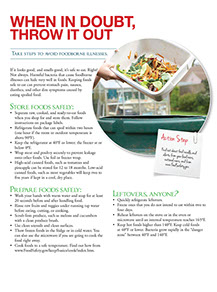
    If it looks good, and smells good, it’s safe to eat. Right? Not always. Harmful bacteria that cause foodborne illnesses can hide very well in foods. Keeping foods safe to eat can prevent stomach pain, nausea, diarrhea, and other dire symptoms caused by eating spoiled food.

    Store foods safely:

    *  Separate raw, cooked, and ready-to-eat foods when you shop for and store them. Follow instructions on package labels.

    *  Refrigerate foods that can spoil within two hours (one hour if the room or outdoor temperature is above 90°F).

    *  Keep the refrigerator at 40°F or lower; the freezer at or below 0°F.

    *  Wrap meat and poultry securely to prevent leakage onto other foods. Use foil or freezer wrap.

    *  High-acid canned foods, such as tomatoes and pineapple can be stored for 12 to 18 months. Low-acid canned foods, such as most vegetables will keep two to five years if kept in a cool, dry place.

    Prepare foods safely:

    *  Wash your hands with warm water and soap for at least 20 seconds before and after handling food.

    *  Rinse raw fruits and veggies under running tap water before eating, cutting, or cooking.

    *  Scrub firm produce, such as melons and cucumbers with a clean produce brush.

    *  Use clean utensils and clean surfaces.

    *  Thaw frozen foods in the fridge or in cold water. You can also use the microwave if you are going to cook the food right away.

    *  Cook foods to a safe temperature.

    Leftovers, anyone?

    *  Quickly refrigerate leftovers.

    *  Freeze ones that you do not intend to eat within two to four days.

    *  Reheat leftovers on the stove or in the oven or microwave until an internal temperature reaches 165°F.

    *  Keep hot foods higher than 140°F. Keep cold foods at 40°F or lower. Bacteria grow rapidly in the “danger zone” between 40°F and 140°F.

    Action Step

    Find out about food recalls and alerts from your local news, national news, and from

    www.FoodSafety.gov.

    Ways to Well-Being book by the American Institute for Preventive Medicine. www.HealthyLife.com. All rights reserved.

    © American Institute for Preventive Medicine
  • Add A Stress-Busting Food To Your Day

    Healthylife® Weigh

    Part 6

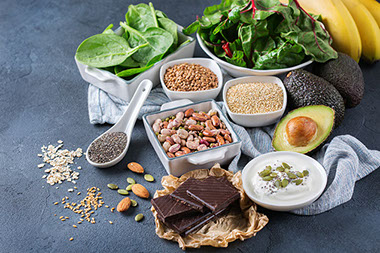
    Variety of food items high in magnesium.

    What you eat may impact your mood. Make sure you are eating a balanced diet with nutrient-dense foods. B vitamins and magnesium can be helpful for managing anxiety and boosting your mood. Avoid foods and drinks high in sugar that can cause mood swings and fatigue.

    B Vitamins

    B vitamins can stimulate the brain’s production of serotonin. This helps you relax and feel good.

    Good Sources of B Vitamins

    *  Animal products: fish, poultry, meat, eggs, or dairy

    *  Whole grains, beans and lentils

    *  Fruits and vegetables, especially leafy greens, papayas, oranges, and cantaloupe

    *  Fortified breakfast cereals and enriched soy or rice milk

    *  Nuts, such as almonds, pistachios, and walnuts

    Magnesium

    Magnesium has a calming effect on the brain. It can help relax muscles, blood vessels, and the gastrointestinal tract. Magnesium can also boost serotonin and reduce mood swings.

    Good Sources of Magnesium:

    *  Dark leafy greens

    *  Nuts, seeds, and dried fruit

    *  Beans and lentils

    *  Whole grains

    *  Avocados and bananas

    *  Dark chocolate

    *  Yogurt

    *  Fish

    © American Institute for Preventive Medicine